Die Dubrovnik-Ausgabe
King's Landing, echt jetzt: Dubrovniks Game of Thrones-Geografie
Ein ruhiger, fundierter Rundgang über die genauen Steine Dubrovniks, die King's Landing spielten – mit der ragusanischen Geschichte, die die Reiseführer auslassen, und den Uhrzeiten, die die Kreuzfahrtmassen aus Ihren Fotos fernhalten.

Von Daniel OkaforThe city beyond the cruise-ship crowds
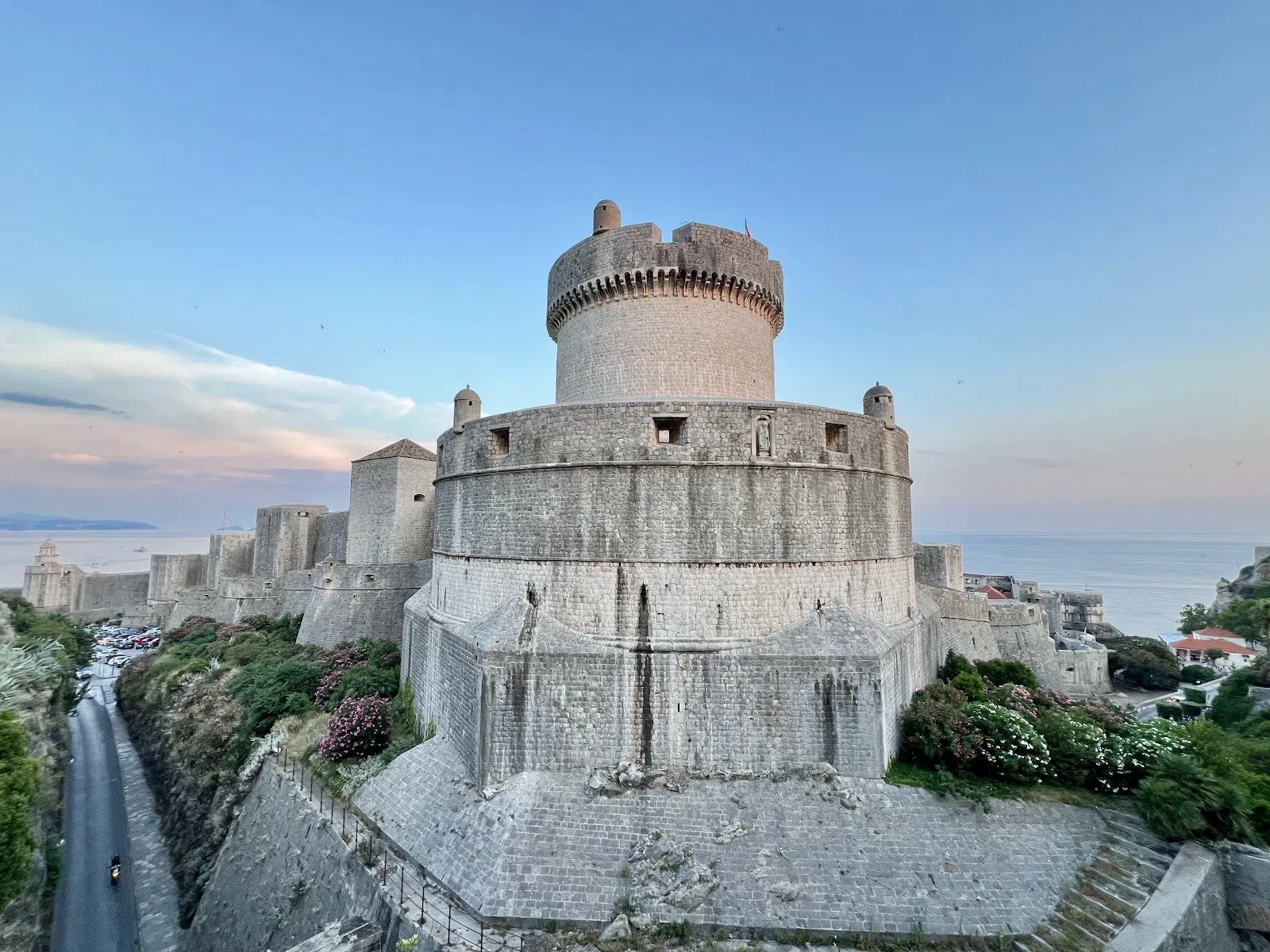
Es gibt diesen Moment, wenn man gleich nach der Öffnung über die Wehrmauern geht, das Meer noch flach ist und der Kalkstein unter den Füßen die Farbe von altem Elfenbein hat, und dann versteht man, warum eine Fernsehproduktion eine kleine Armee hierher geflogen hat, anstatt ein Set zu bauen. Dubrovnik hat sich nicht für Königsmund beworben, sondern existierte bereits als solches. Der Trick, es gut zu sehen, besteht nicht darin zu wissen, welche Szene wo gedreht wurde – das erklären die Führer in neunzig Sekunden –, sondern die echte Stadt unter der Fiktion zu kennen und zu wissen, zu welcher Stunde man kommen muss, damit die Steine so aussehen wie auf dem Bildschirm: leer, poliert und ganz Ihnen gehörend.
Was folgt, ist eine Geografie, keine Schnitzeljagd. Ich habe diese Orte so gruppiert, wie Sie sie über ein oder zwei Tage tatsächlich laufen würden, markiert, welche für ein Paar geeignet sind und welche eine Reisegruppe ohne Beschwerden aufnehmen, und die echte Geschichte unter die Drachen zurückgebracht. Dies ist ein Begleiter zum umfassenderen Dubrovnik-Guide; hier bleiben wir eng am Königsmund-Fußabdruck.
Der Rote Keep und seine Wehrmauern
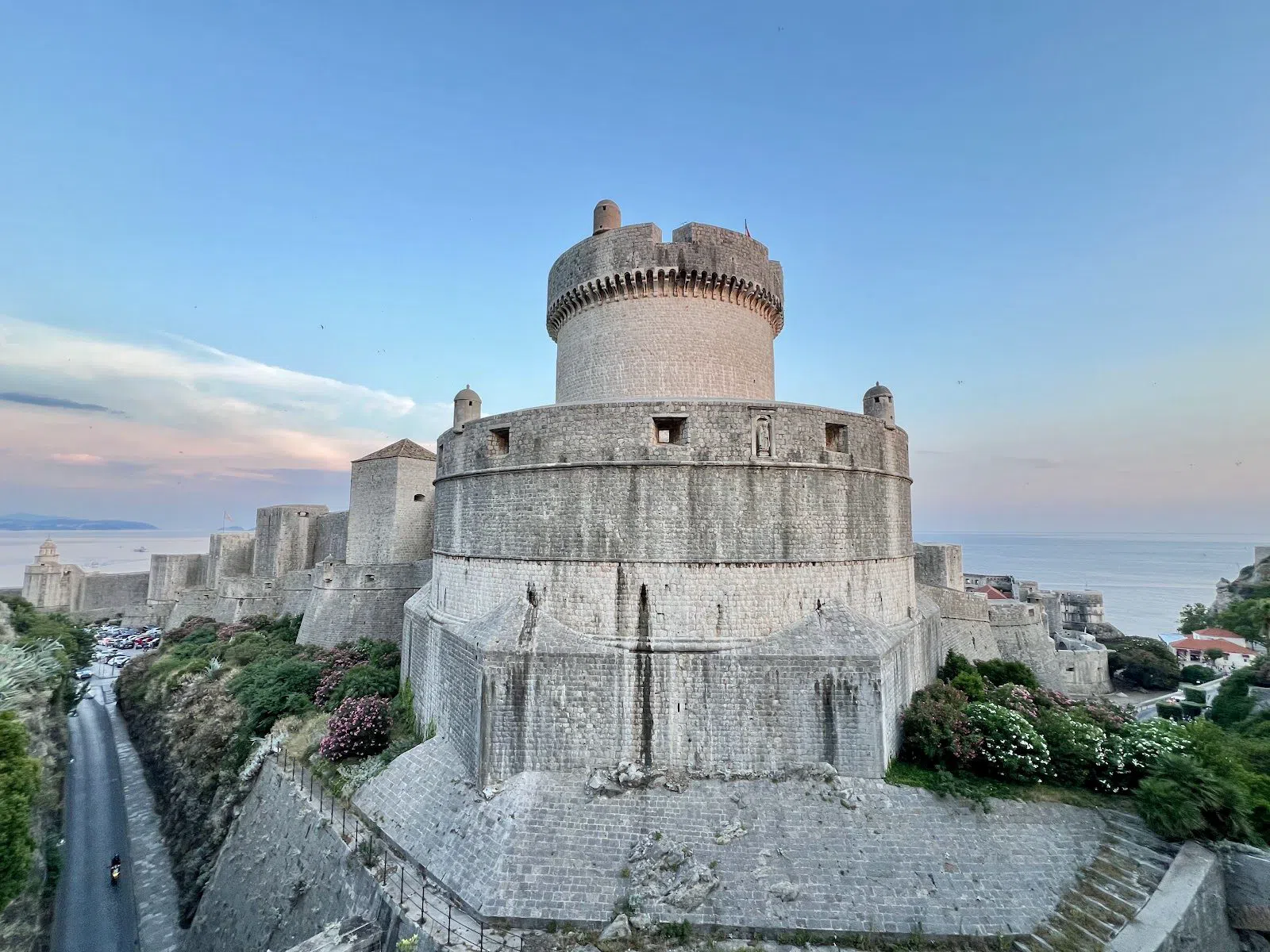
Beginnen Sie oben, und beginnen Sie früh. Die Dubrovnik Stadtmauern & Minčeta-Turm (Altstadt) sind die am häufigsten gedrehte Königsmund-Kulisse der Stadt: die Mauerreparatur-Sequenzen, die einleitenden Panoramafahrten und Dany's Drachen, der um die blasse runde Krone von Minčeta kreist. Die Wehrmauern sind ein durchgehender Ring von etwa zwei Kilometern, und entscheidend ist, dass es oben keine Größenbeschränkung gibt, sodass geführte Gruppen und unabhängige Wanderer denselben Weg teilen. Genau deshalb kommt es auf die Uhrzeit an. Das Kombi-Ticket kostet etwa 35 € und beinhaltet die Festung Lovrijenac, und es ist mit Zeitfenster, also kaufen Sie es im Juli und August im Voraus. Gehen Sie zur Öffnung oder warten Sie auf die goldene Stunde; zwischen etwa 10 und 16 Uhr leeren die Kreuzfahrtschiffe die Stadt aus, und die Mauern werden zu einem langsamen Menschenband ohne Schatten und ohne Ausgang bis zum nächsten Treppenturm.
Die Geschichte, die die Drachenbeobachtung überspringt: Minčeta wurde Mitte des 15. Jahrhunderts als landseitiger Eckpfeiler eines Verteidigungssystems fertiggestellt, das die Republik Ragusa – Dubrovniks eigener Name für die besten fünf Jahrhunderte – durch Diplomatie und Technik anstatt durch ein stehendes Heer unabhängig hielt. Die Republik zahlte Tribut, spielte die Großmächte gegeneinander aus und baute Mauern, die so dick waren, dass sie selten kämpfen musste. Wenn Sie Minčeta als Roten Keep betrachten, betrachten Sie ein Denkmal für einen kleinen Staat, der überlebte, indem er nicht erobert wurde. Das ist eine bessere Geschichte als alles, was Joffrey je bekam.
Ein kurzer, steiler Fußweg westlich von Pile bringt Sie zur Festung Lovrijenac (direkt außerhalb des Pile-Tors, auf einer eigenen Meeresfelsen), die als der eigentliche Rote Keep diente – Joffreys Namenstag-Turnier im Hof und die engeren Machtszenen zwischen Cersei und Tyrion auf den Brüstungen. Der Eintritt ist im selben Stadtmauern-Ticket enthalten, was der Hauptgrund ist, den Abschnitt in der Tasche zu behalten. Es ist ein echter Festungsaufstieg: eine steile Treppe vom Wasser hinauf, kein Lift, nicht ideal bei Treppenproblemen. Gruppen kommen hier gut zurecht, da der offene Hof Besuchermengen schluckt, aber die Belohnung ist der Blick zurück auf die Mauern, am besten am späten Nachmittag, wenn das Licht vom Meer kommt und die Stadt von vorne trifft. Die Festung stammt aus der Zeit vor dem Höhepunkt der Republik und wurde, laut der alten Inschrift über ihrem Tor, im Geiste eines Ortes erbaut, der seine Freiheit nicht für alles Gold der Welt verkaufen würde – ein Satz, der jeden Thronsaal-Dialog übertrifft.
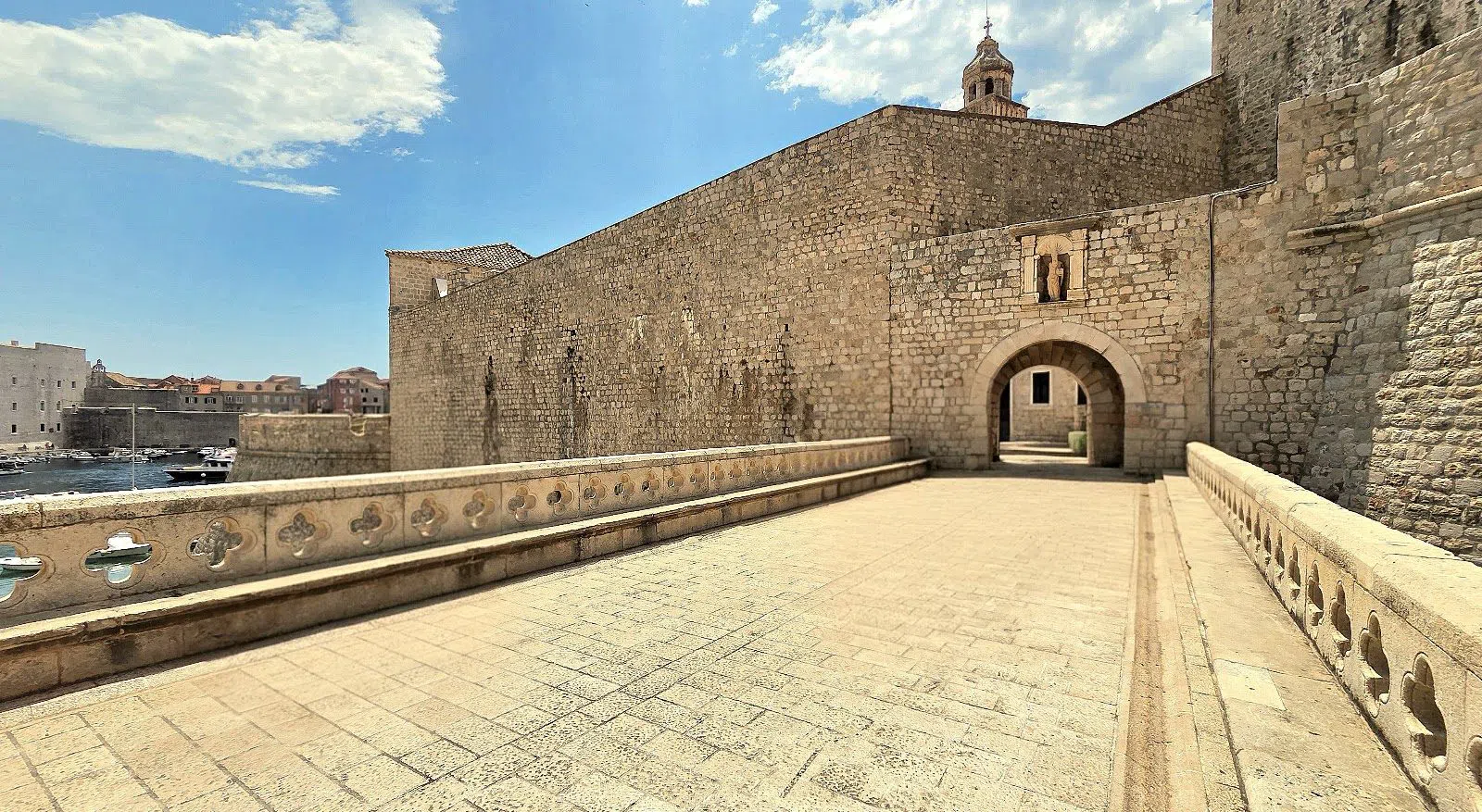
Der Weg endete auf dem Bildschirm am Ploče-Tor (dem Osttor der Altstadt), dem Tor des Roten Keep, an dem eine blutige Cersei endlich Schutz fand. Im wirklichen Leben ist es das ruhigere der beiden Haupttore, ein funktionierender steinerner Durchgang, den Gruppen ohne Zeremonie durchströmen, und es bildet den natürlichen Endpunkt einer Königsmund-Runde – Sie beginnen im Westen am Pile, durchqueren die Stadt und enden hier im Osten. Meistens ist reichlich Platz zum Durchatmen.
Abseits der Hauptstraße lieh das Dominikanerkloster (direkt an den Mauern beim Ploče-Tor gelegen) seine Treppen und Seitenstraßen für die Szenen mit Tyrion und Bronn, wie sie durch die Stadt intrigierten. Es ist ein kostenpflichtiger Besuch für etwa 5 €, und der Grund, dorthin zu gehen, ist nicht der Cameo-Auftritt, sondern der Kreuzgang: ein ruhiger Arkadengang aus dem 14. Jahrhundert, der eine Reisegruppe aufnimmt und dennoch ruhig wirkt, sowie ein kleines Museum mit ragusanischer religiöser Kunst. Von allen Fan-Haltepunkten ist dies einer, der sich den Eintritt durch seinen eigenen Wert verdient. Gut für Gruppen, wirklich schön für ein Paar, das zehn ruhige Minuten möchte.
Weiter oben am Hügel lieferte das Ethnografische Museum Rupe (im Rupe-Speicher, eine Treppe hinauf in der westlichen Altstadt) die Fassade für Littlefingers Bordell – aber der wahre Anziehungspunkt ist, was darunter liegt. „Rupe“ bedeutet Gruben, und das Gebäude ist ein staatlicher Getreidespeicher aus dem 16. Jahrhundert mit riesigen trockenen Brunnen, die in den Fels gehauen wurden, in denen die Republik Vorräte für Belagerungen und Dürren anlegte. Mit etwa 8 € ist es eines der am wenigsten überlaufenen Museen der Stadt, kühl in der Sommerhitze und still und leise eines der ungewöhnlichsten Dinge innerhalb der Mauern. Es ist ein Treppenaufstieg und besser für Einzelpersonen und kleine Gruppen geeignet als für einen vollen Bus. Die meisten Touristen gehen direkt daran vorbei, was genau der Punkt ist.
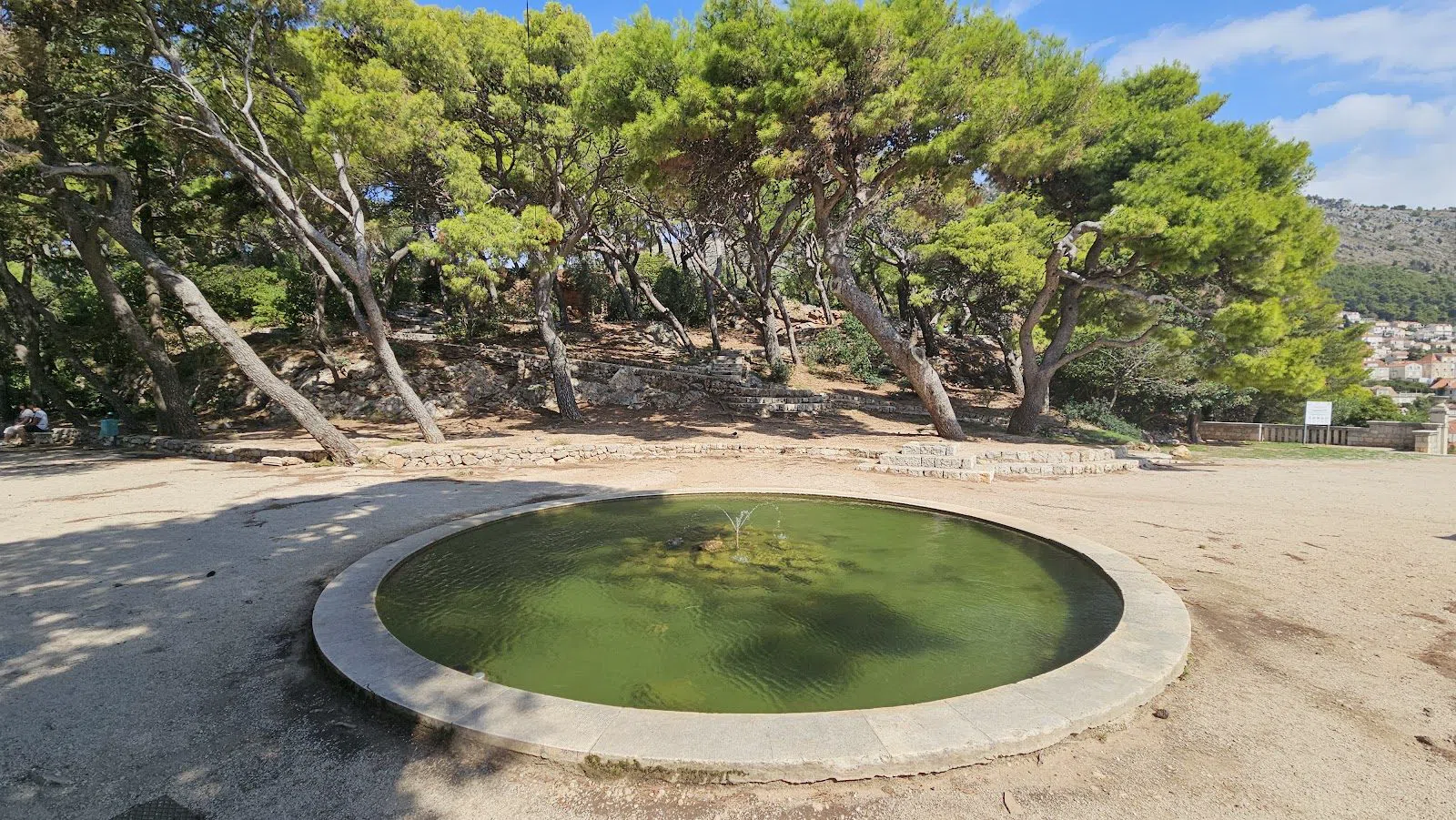
Schließlich der ruhigste Gastauftritt von allen. Gradac-Park (ein kleiner Klippenpark westlich der Altstadt oberhalb von Pile) war Schauplatz des Purpurhochzeitsfestes – bei dem Joffrey seinen letzten Schluck nahm. Es ist ein freier, offener, uneingeschränkter Park mit fast keinen Menschenmassen und einem schönen Blick zurück auf Lovrijenac, was ihn zum besten Ort in dieser gesamten Route macht, um sich hinzusetzen, aus der Sonne zu gehen und zwanzig Minuten lang nichts zu tun. Kein Ticket, keine Schlange, kein Reiseleiter. Nach einem Vormittag auf den Mauern ist das keine Fußnote – es ist eine Strategie.
Planen Sie Ihre Reise nach Dubrovnik
Aktuelle Preise unserer Buchungspartner.
Kostenlose Stornierung bei vielen Zimmern. Bei einer Buchung erhalten wir möglicherweise eine Provision.
Planung: Transport, Bargeld, Timing, Budget
Timing ist hier alles. Der Rhythmus der Altstadt wird von den Kreuzfahrtschiffen bestimmt, die typischerweise am Vormittag anlegen und am späten Nachmittag wieder an Bord gehen. Ihre zwei goldenen Fenster sind ab Öffnung der Mauern bis etwa 9:30 Uhr und von etwa 17:00 Uhr bis zur Dämmerung. Besichtigen Sie die freiliegenden, kapazitätsfreien Stätten – die Stadtmauern, Minčeta, Stradun, die Jesuitenstiege, Pile – innerhalb dieser Fenster und heben Sie sich die schattigen, kostenpflichtigen Innenräume (Dominikanerkloster, Rektorenpalast, Rupe) für die belebte Tagesmitte auf.
Fortbewegung. Die Altstadt ist autofrei und vollständig zu Fuß in zwanzig Minuten zu durchqueren, obwohl sie auf Hügeln und Treppen gebaut ist, also packen Sie richtige Schuhe ein. Für Trsteno fahren lokale Busse die Küstenstraße entlang, oder Sie integrieren es in einen Mietwagen- oder Tourentag zur Halbinsel Pelješac. Für Lokrum legen Fähren stündlich vom Alten Hafen ab – überprüfen Sie die letzte Rückfahrzeit, bevor Sie ablegen, denn es gibt keine Brücke und kein spätes Boot.
Bargeld und Tickets. Kroatien verwendet den Euro. Karten werden weitgehend akzeptiert, aber Trsteno bevorzugt Bargeld am Eingang, also nehmen Sie etwas mit. Das kombinierte Ticket für die Stadtmauern (~35 €, inklusive Mauern, Minčeta und Festung Lovrijenac) ist der Haupteinkauf und es lohnt sich, es im Hochsommer online zu kaufen, um Warteschlangen zu vermeiden; der Dubrovnik-Museen-Pass ist die effiziente Möglichkeit, den Rektorenpalast mit anderen städtischen Sammlungen zu bündeln.
Ein grobes Budget für die King's Landing-Route, pro Erwachsenem: Kombiniertes Ticket Stadtmauern 35 €, Lokrum-Fähre und Thron 27 €, Rektorenpalast 10–15 €, Rupe 8 €, Dominikanerkloster 5 €, Trsteno 10 €. Stradun, Jesuitenstiege, Pile, Ploče-Tor und Gradac-Park sind alle kostenlos. Wenn Sie alles machen, kostet es etwa 95–100 €, komfortabel unter 50 €, wenn Sie sich auf die Mauern, eine Insel und die kostenlosen Straßen beschränken.
Wo Sie schlafen, ist wichtiger, als die Fans zugeben. Eine Unterkunft innerhalb oder direkt außerhalb der Mauern verschafft Ihnen die Morgendämmerung, die diese Fotos gelingen lässt – Sie können auf dem Stradun sein, bevor die erste Tour ankommt. Vergleichen Sie Zimmer und Viertel auf der Dubrovnik Hotelsuche und bevorzugen Sie alles in kurzer Gehweite zu den Toren Pile oder Ploče. Sehen Sie die Geografie im ersten Licht, und King's Landing hört auf, ein besuchtes Set zu sein, und wird eine verstandene Stadt.
Vor der Reise
Welche Drehorte in Dubrovnik wurden tatsächlich für King's Landing genutzt?
Der Kern von King's Landing umfasst die Stadtmauern und den Minčeta-Turm (die am häufigsten gefilmte Kulisse mit Drachenszene von Daenerys), die Festung Lovrijenac als Roten Keep, die Jesuitenstiege für den Beginn des Walk of Shame, das Ploče-Tor, wo er endete, den Stradun als Hauptstraße, das Pile-Tor als Ufer der Schwarzwasserbucht, den Rektorenpalast als Qarth, das Ethnografische Museum Rupe als Littlefingers Bordell und das Dominikanerkloster für Tyrions Straßenszenen. Der Trsteno-Arboretum spielte die Gärten von King's Landing und die Insel Lokrum die Gartenparty von Qarth.
Wo ist der Eisene Thron in Dubrovnik und wie viel kostet er?
Der einzige dauerhafte offizielle Eisene Thron in Kroatien befindet sich im Besucherzentrum auf der Insel Lokrum, eine kurze Fährfahrt vom Alten Hafen entfernt. Das Foto auf dem Thron ist kostenlos, sobald Sie auf der Insel sind; die Rückfahrkarte inklusive Inseleintritt kostet etwa 27 €. Beachten Sie, dass Lokrum nur von April bis Oktober geöffnet ist und im Winter schließt.
Wie kann ich den Menschenmengen an den Dubrovnik Game of Thrones-Drehorten ausweichen?
Die Menschenmengen kommen von den Kreuzfahrtschiffen, die am Vormittag anlegen und am späten Nachmittag wieder an Bord gehen. Besichtigen Sie die freiliegenden Open-Air-Stätten – die Stadtmauern, Minčeta, Stradun, die Jesuitenstiege und das Pile-Tor – entweder ab Öffnung der Mauern bis etwa 9:30 Uhr oder von etwa 17:00 Uhr bis zur Dämmerung. Heben Sie sich die kostenpflichtigen Innenmuseen für die belebte Tagesmitte auf.
Wie viel kostet das Ticket für die Stadtmauern von Dubrovnik und die Festung Lovrijenac im Jahr 2026?
Ein einziges kombiniertes Ticket mit Zeitfenster für etwa 35 € deckt die gesamte Stadtmauerrunde, den Minčeta-Turm und die Festung Lovrijenac ab. Es gibt keine Größenbeschränkung auf den Wehrgängen, daher ist es sowohl für Gruppen als auch für Einzelreisende geeignet; kaufen Sie es im Juli und August online, um Warteschlangen zu vermeiden.
Wo wurde der Walk of Shame in Dubrovnik gedreht?
Cerseis Walk of Shame begann an der Jesuitenstiege (Uz Jezuite / St. Ignatius-Treppe), die als Stufen des Großen Septs diente, verlief entlang des Stradun und endete am Ploče-Tor auf der Ostseite der Altstadt. Die Treppe ist kostenlos und rund um die Uhr zugänglich, aber Reisegruppen versammeln sich dort ständig. Kommen Sie daher im Morgengrauen, um ein ungestörtes Foto zu machen.