The Dubrovnik issue
The Wine Hour North of Dubrovnik: Pelješac, Plavac Mali and the Oysters of Ston
An honest, local's map to Pelješac's Plavac Mali cellars and Mali Ston oysters — which wineries suit coaches, which suit couples, and how to plan the day from Dubrovnik.
By Chiara FontanaEating Dubrovnik one konoba at a time
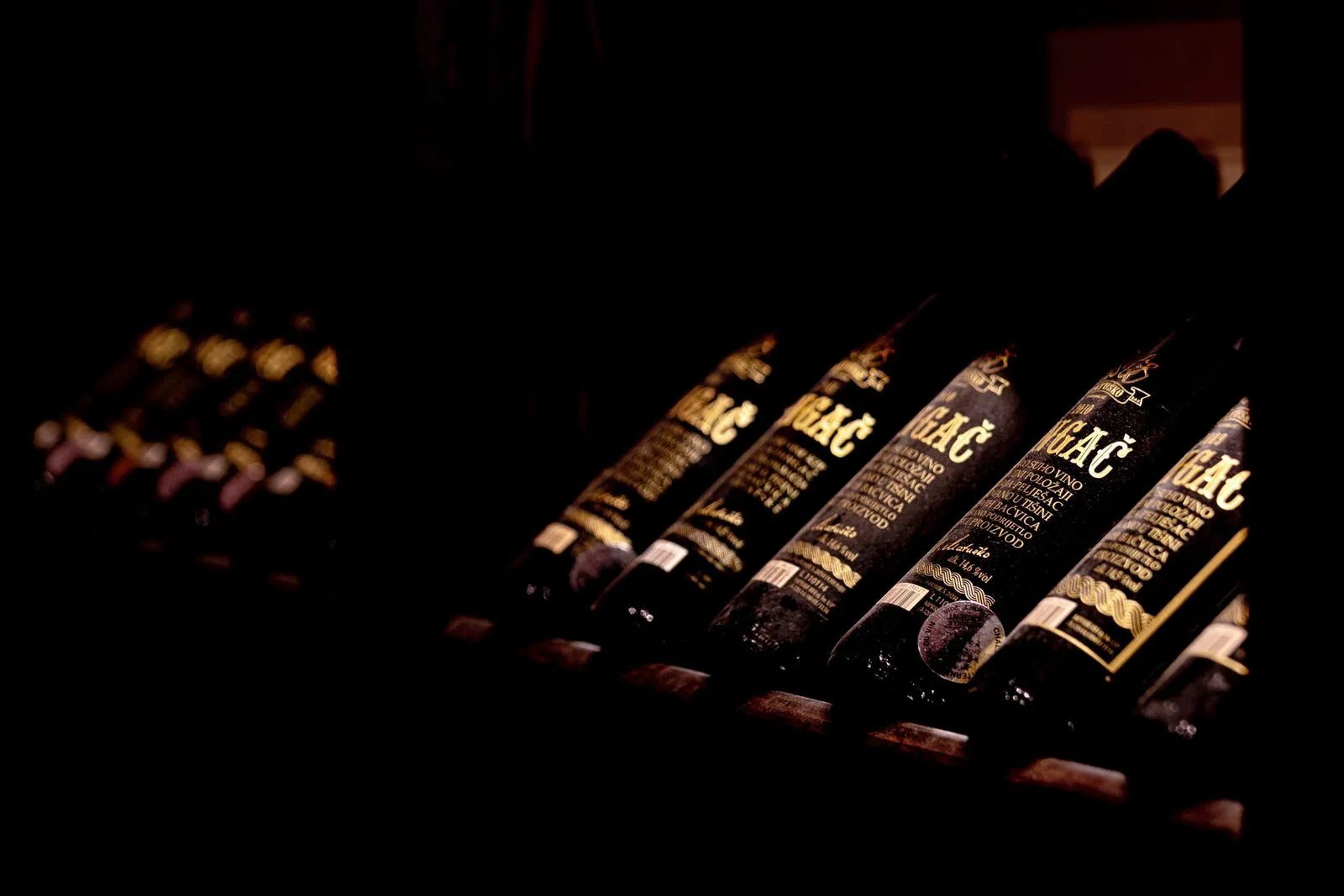
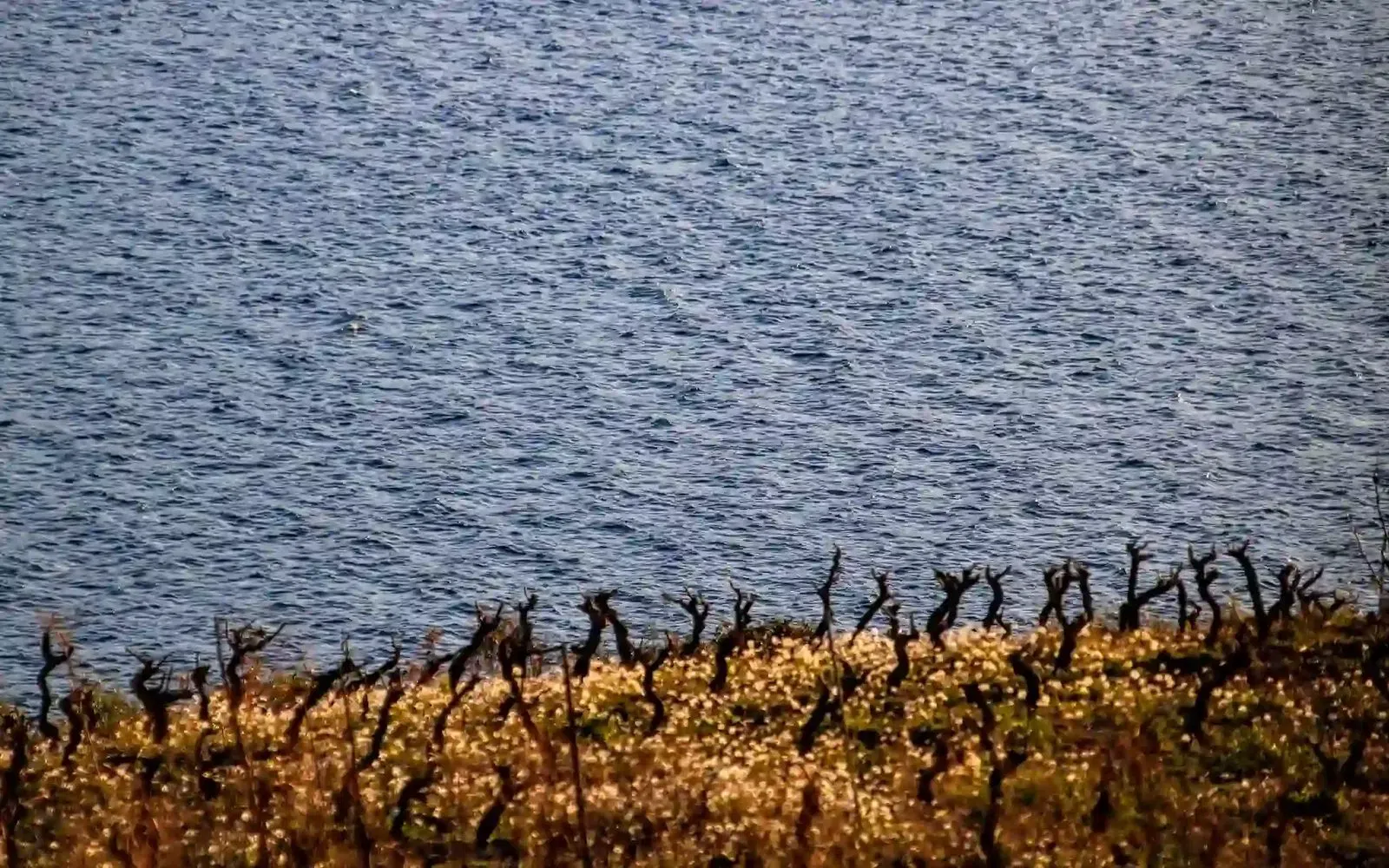
An hour north of Dubrovnik the coastline pinches into a long, mountainous finger of vineyard called Pelješac, where the Plavac Mali grape ripens on slopes so steep the growers still work them by hand and the sea reflects heat back onto the vines. This is where Dubrovnik goes to drink properly: dark, tannic, sun-baked reds from the Dingač and Postup crus, paired with oysters lifted live from the Mali Ston channel that morning. Give it a full day — the "wine hour" up here is really a wine afternoon, and it begins, sensibly, at a set of medieval walls and a plate of shellfish.
The gateway: Ston's walls, salt pans and the oyster hour
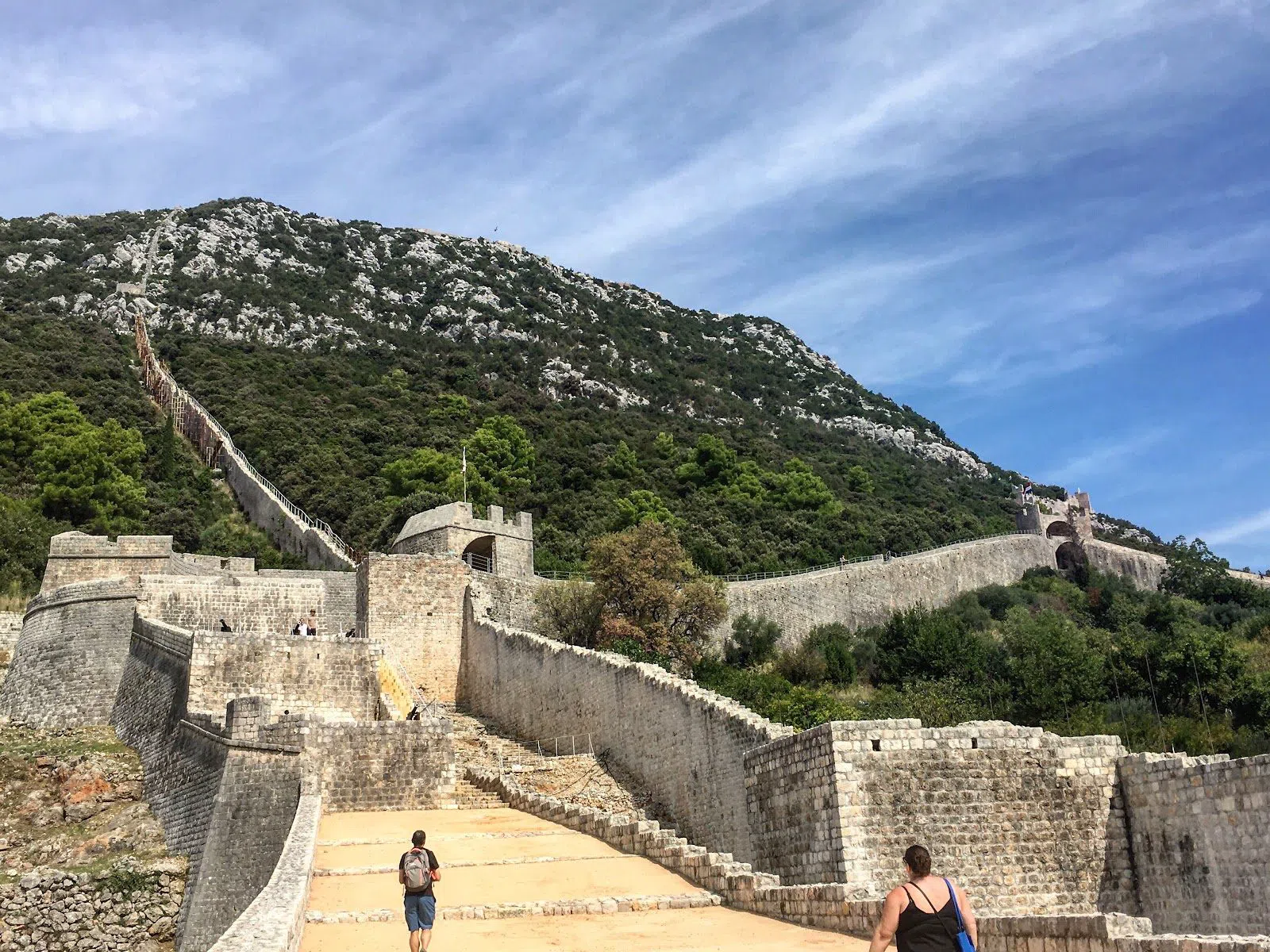
Almost every trip up the peninsula starts at Ston, and you should treat it as more than a photo stop. The Ston Walls & Salt Works (Ston) are open year-round and ticketed — walls entry is around €10 per person, with a small separate fee for the salt works — and they handle coaches easily, so this is the reliable non-wine break on any tasting day. Walk a stretch of the 5.5km fortifications for the view down onto the bay, then look in on the solar salt pans, where salt has been raked by hand for some 700 years. It's a genuinely good half-hour of history before anyone's had a drink, and it earns you your lunch.
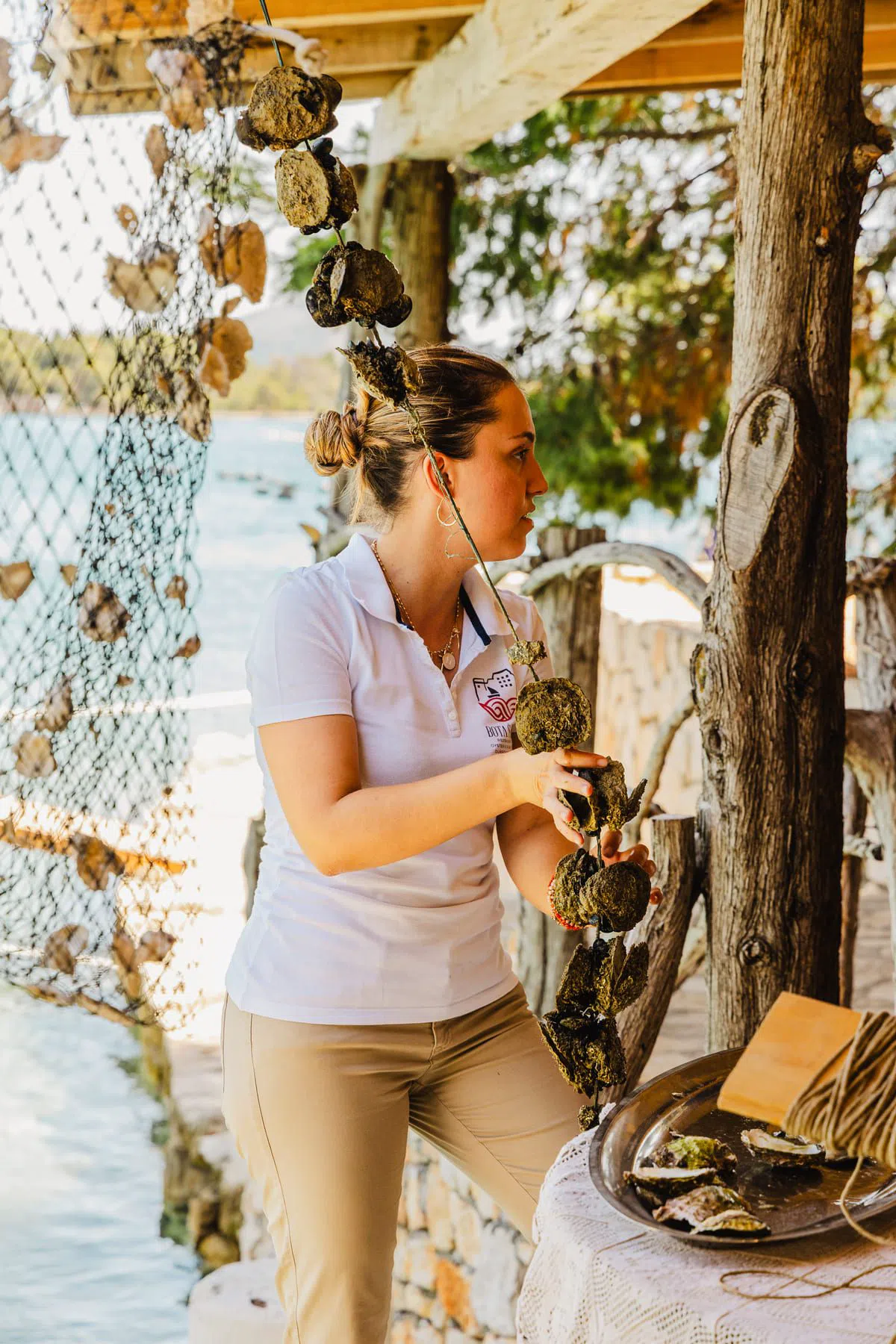
That lunch, of course, is oysters. Pelješac wine country is inseparable from the shellfish beds of the Mali Ston channel, and the classic way to taste them is on the water. The Bota Šare Oyster Experience (Mali Ston) runs a roughly one-hour boat trip out to the floating farm from the port beside its own seafood restaurant — expect around €30–40 per person for the boat, freshly shucked oysters, a mussel buzara and a glass of local white. It's built for groups and needs booking ahead, but even couples should do it: eating an oyster metres from where it grew, with the wine that's made over the hill, is the whole point of the day in miniature. The adjoining Bota Šare restaurant is the fallback if the sea is rough.
If you'd rather ease into the wine gently on the way past, the Marlais Winery (near Ston) is a warm, low-key family stop where you'll likely meet an owner. The four-wine tasting — a white, a rosé, a red and a dessert wine, plus homemade nibbles — carries no tasting fee; you're simply expected to buy a bottle to support the house, which is more than fair. Call at least a day ahead. It suits small groups and couples far better than a busy coach schedule.
Plan your Dubrovnik trip
Live prices from our booking partners.
Free cancellation on many rooms. We may earn a commission when you book.
The big cellars: where the coaches pull in
Head inland and up, and you reach Potomje, the village at the mouth of the tunnel that bores through the mountain to the near-vertical Dingač vineyard. This is the engine room of Pelješac wine tourism, and if you're travelling as a large group it's where you want to be.
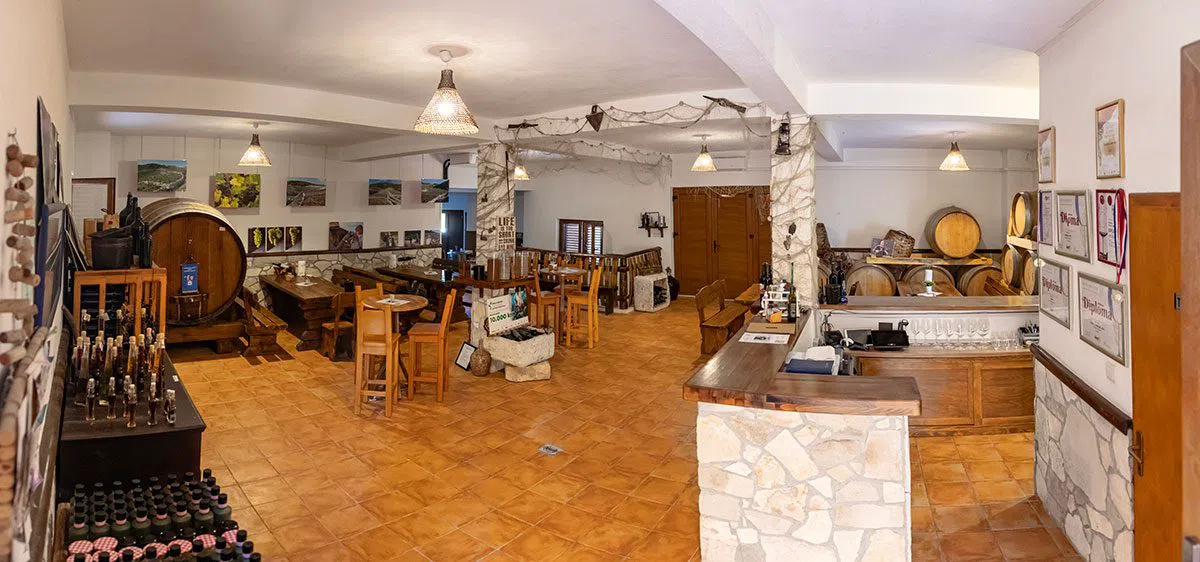
The default first stop for most tours is Matuško Winery (Potomje), the region's biggest visitor cellar at roughly 50,000 guests a year. It's genuinely group-friendly — set up for bus groups and tour minivans — with a dramatic, cavernous underground cellar and a benchmark line-up of Dingač and Postup Plavac Mali. Tastings run about €10–20 per person and booking ahead is wise. The trade-off is obvious: in July and August it can feel like a railway station, so go early in the day, before the coaches stack up, and you'll get the theatre of the place without the crush.
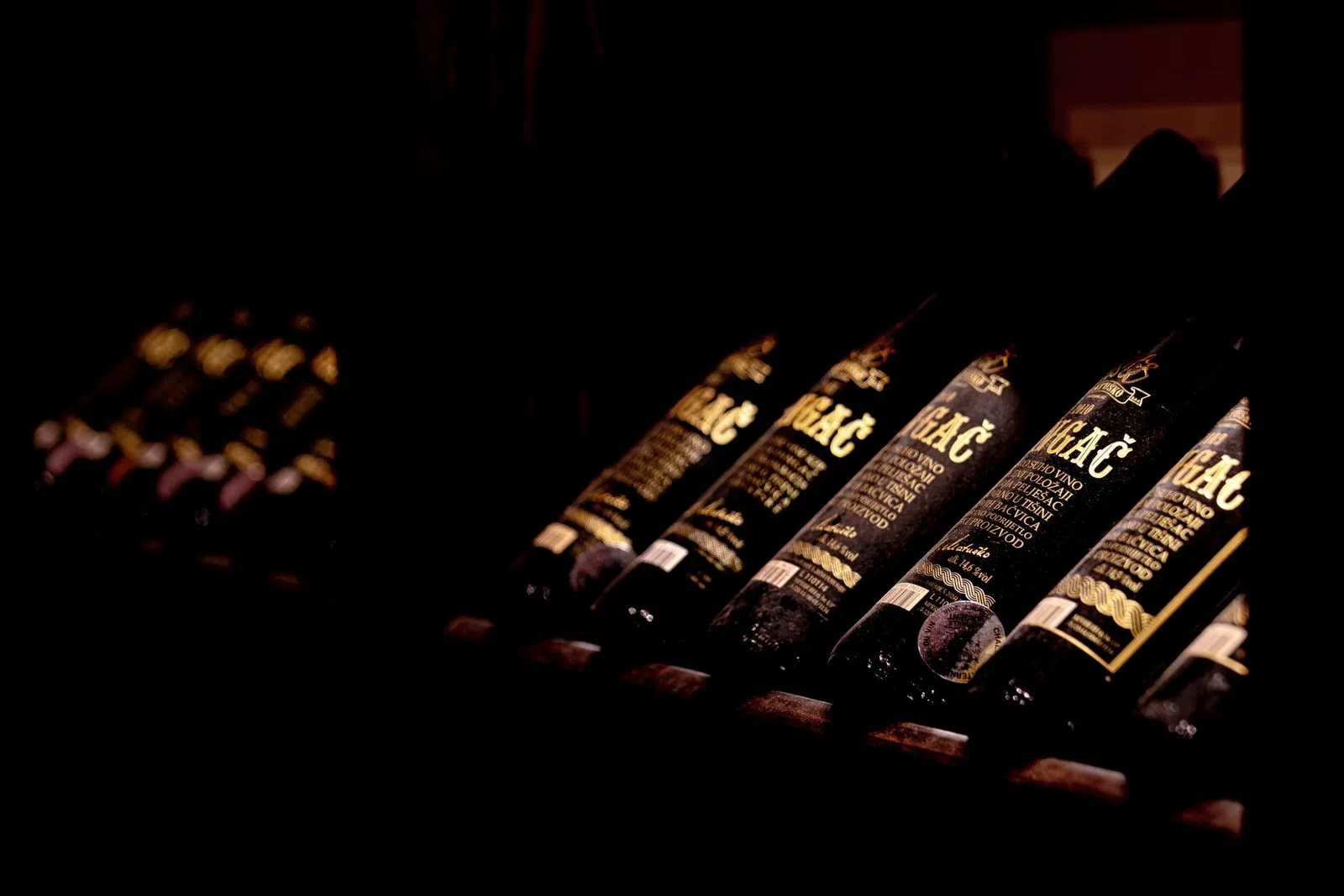
A few steps away is Vinarija Dingač (Potomje), the 1970s grower cooperative beside the famous tunnel and the largest producer on the peninsula. It's built frankly for volume, which makes it easy and cheap — shop pours and simple tastings from about €8–15 — and reliably good value by the bottle. Come here less for a hushed, contemplative tasting and more for the story: how the tunnel, blasted through in the 1970s, opened up the impossibly steep Dingač slope and turned a cru into a Croatian icon. It's an easy, well-oiled stop for coach parties.
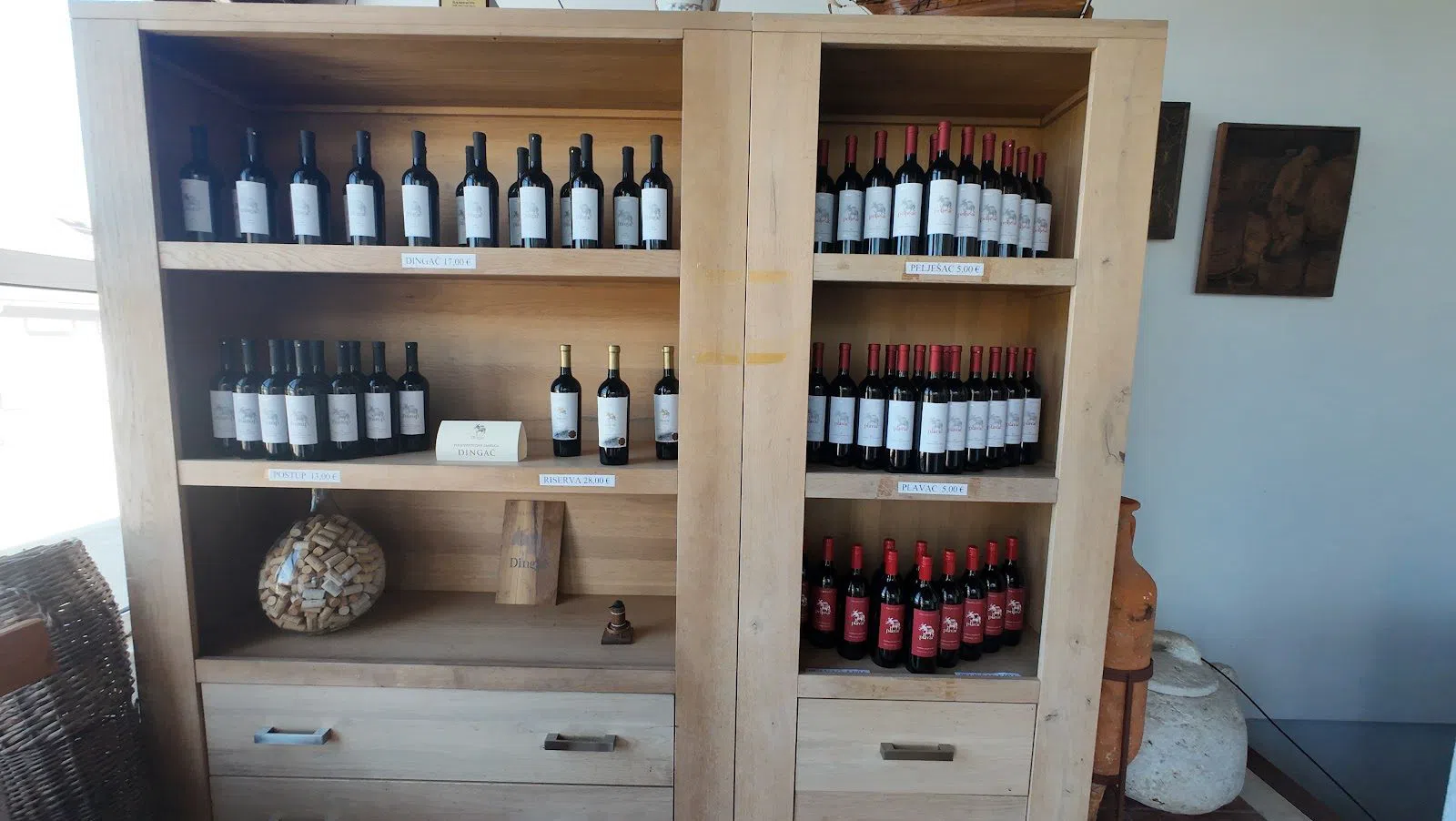
Rounding out the group-friendly cluster is Madirazza Winery (Potomje), an 11-hectare estate turning out approachable, dependable Dingač and Postup. Its evening seven-wine tastings with charcuterie (mid-range flights with food, reserve ahead) are comfortable and well organised — a good pick when your group has mixed levels of wine interest and you want everyone fed and happy rather than quizzed on tannin.
Pilgrims and premium tables
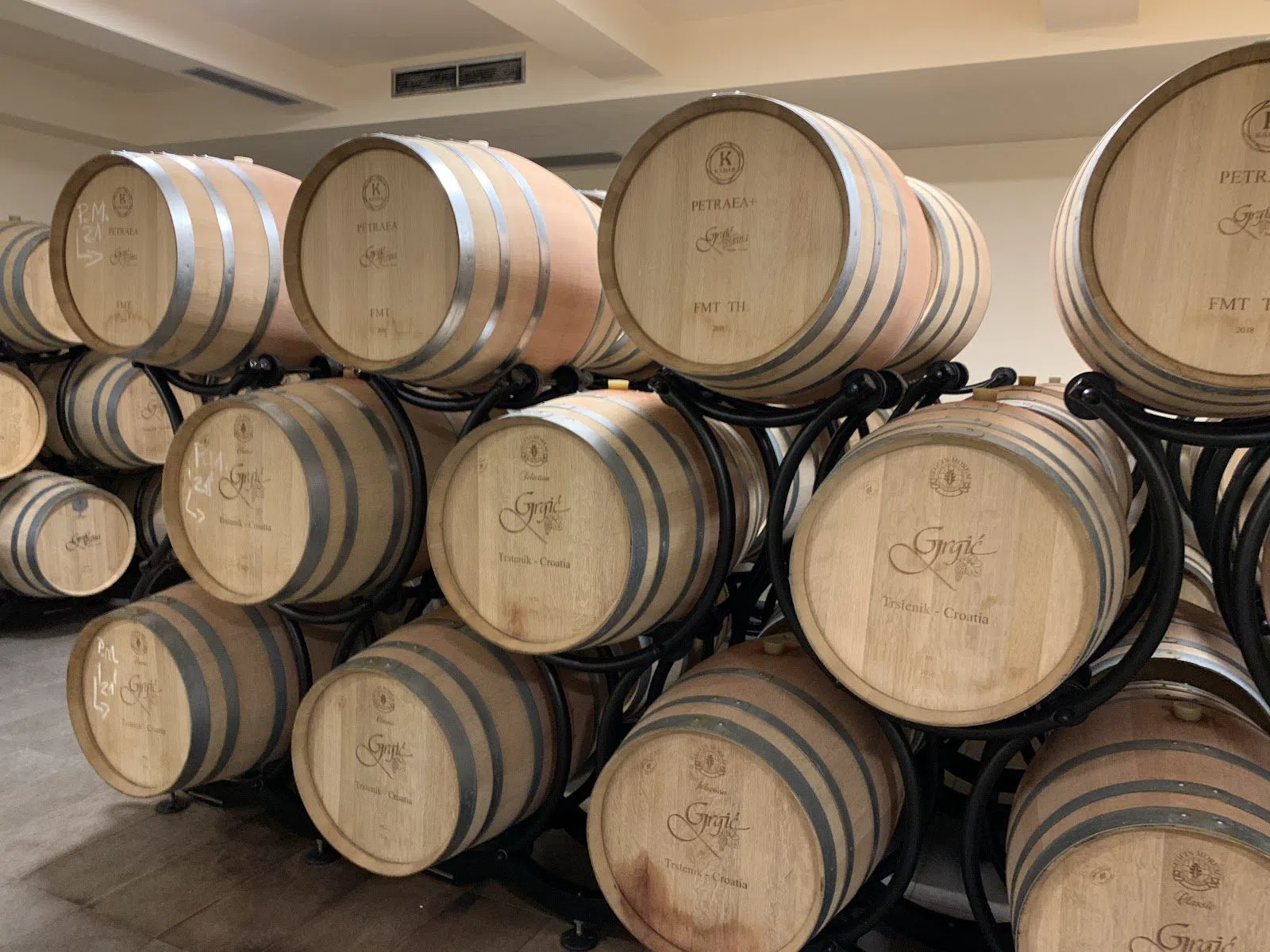
Some cellars are worth the drive for the name over the door. Grgić Vina (Trstenik) was founded by the late Miljenko "Mike" Grgić, the Croatian-born Napa Valley legend, and it draws a serious, international crowd — Americans especially — for its famous Pošip white and its structured Plavac Mali. Tastings are well priced two-, three- and four-wine flights (the longer flights add the estate's Napa wines), and it takes groups by reservation through an online booking form, so it's well drilled for foreign visitors. Order the antipasti platter alongside; the wines want food.
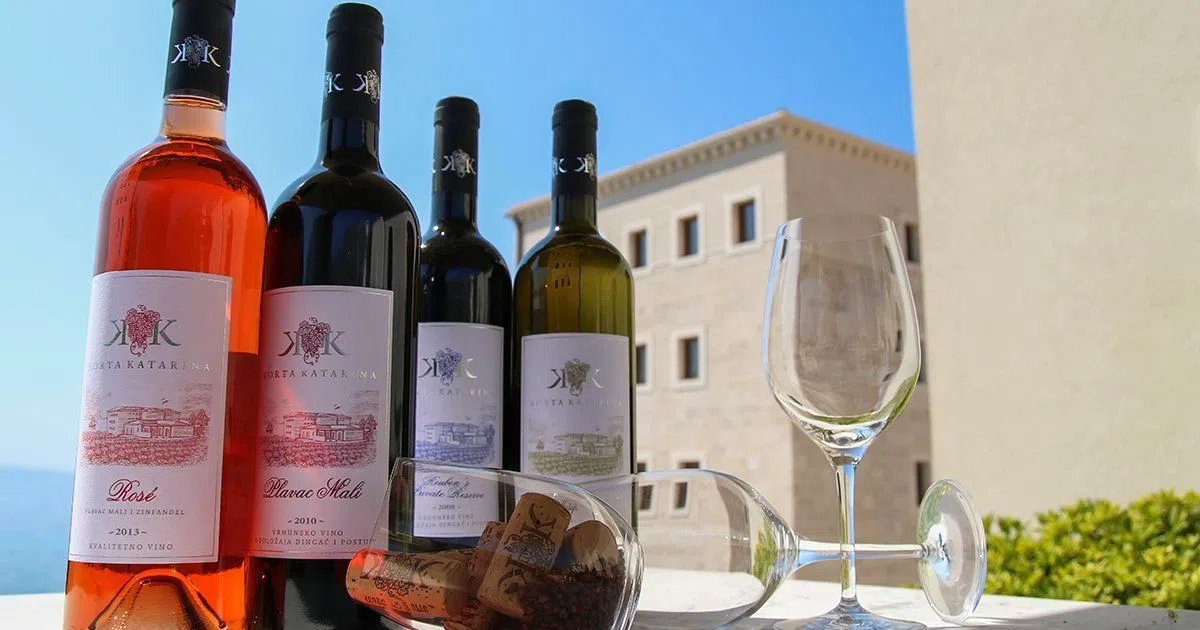
For a splurge, two estates sit at the polished end of the peninsula. Villa Korta Katarina & Winery (Orebić) is a Relais & Châteaux member that was awarded a MICHELIN Key in August 2025, with a hotel, seaside fine dining and six structured tasting experiences (premium tastings run roughly €30–70 per person). It is upscale and event-capable — weddings, the lot — so it's best for smaller premium groups who reserve ahead rather than a fast-moving coach. Build a whole leisurely afternoon around it if you want the high-gloss version of the day.
Saints Hills Vinaria (Oskorušno) is the strong all-rounder of this tier. The wines are made with the consulting star Michel Rolland across the Radovani, Komarna and Dingač sites, and the handsome manor does food-paired tastings — a guided tasting-with-food from about €25–45 per person — that flatter both the wine and international guests unsure where to start. Email [email protected] a day ahead; they welcome groups but the experience is structured, so it rewards a little planning.
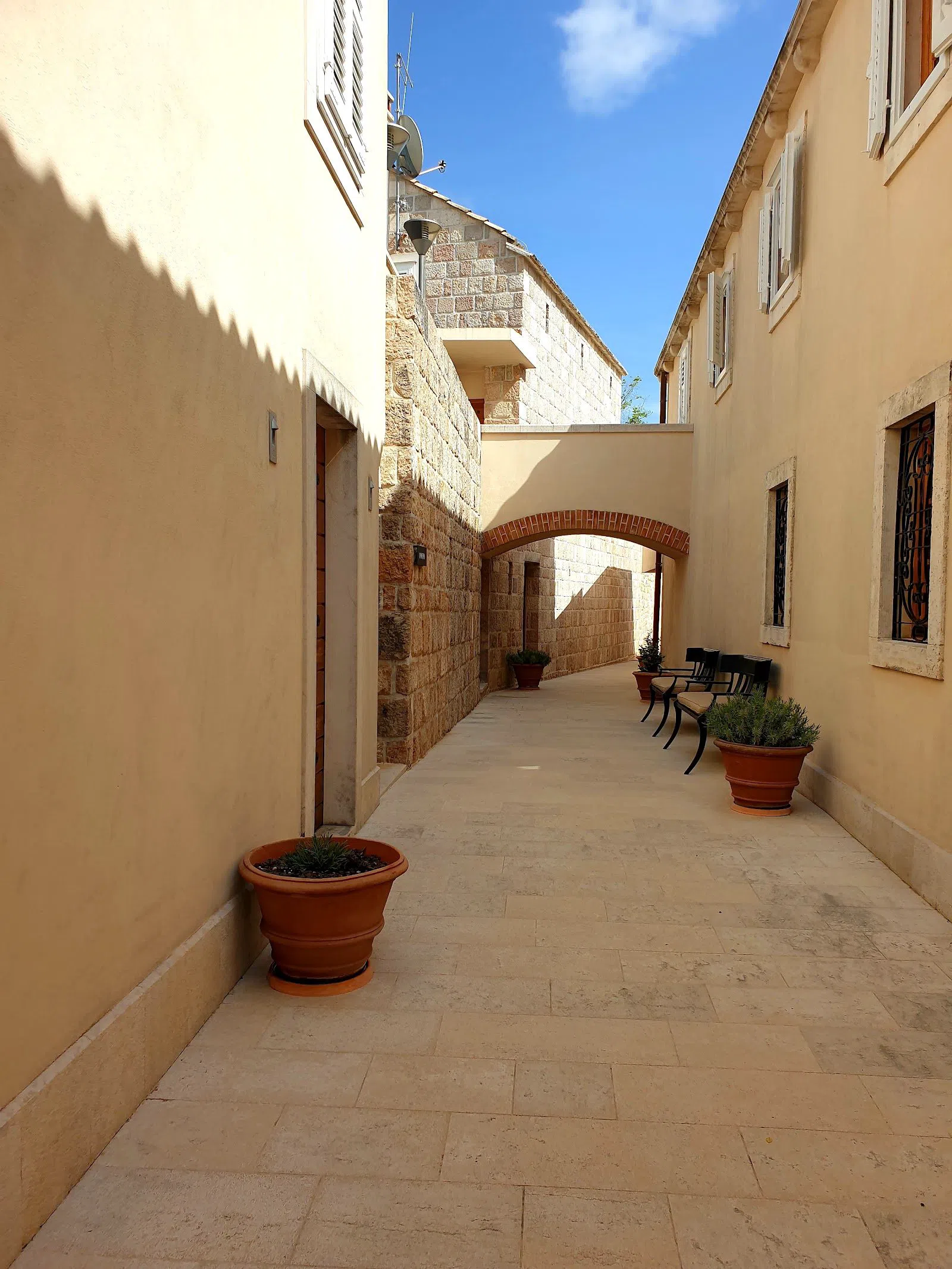
For people who take their Plavac seriously: the small growers
This is where Pelješac gets interesting, and where you should steer if you're a couple or a small, curious group rather than a coach. These are hands-on cellars, often guided by the family, and they do not want fifty people at once.
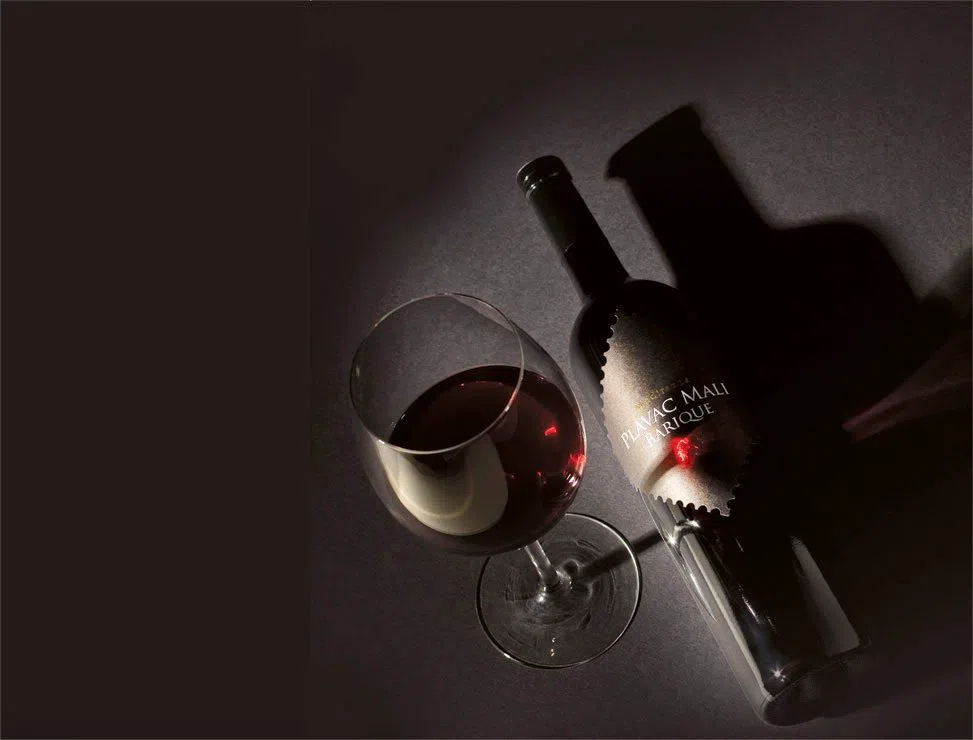
The cult stop is Miloš Winery (Ponikve), a small, organic, dry-farmed, low-intervention family estate where the Miloš family personally walk you through the wines (tastings around €15–30 per person depending on which Stagnum vintages are open). Their flagship Stagnum is aged roughly nine years before release — a genuinely unusual, age-worthy Plavac — and this is a must for serious drinkers. It is emphatically not built for big fast-moving coach groups; reserve ahead and come with time to talk.
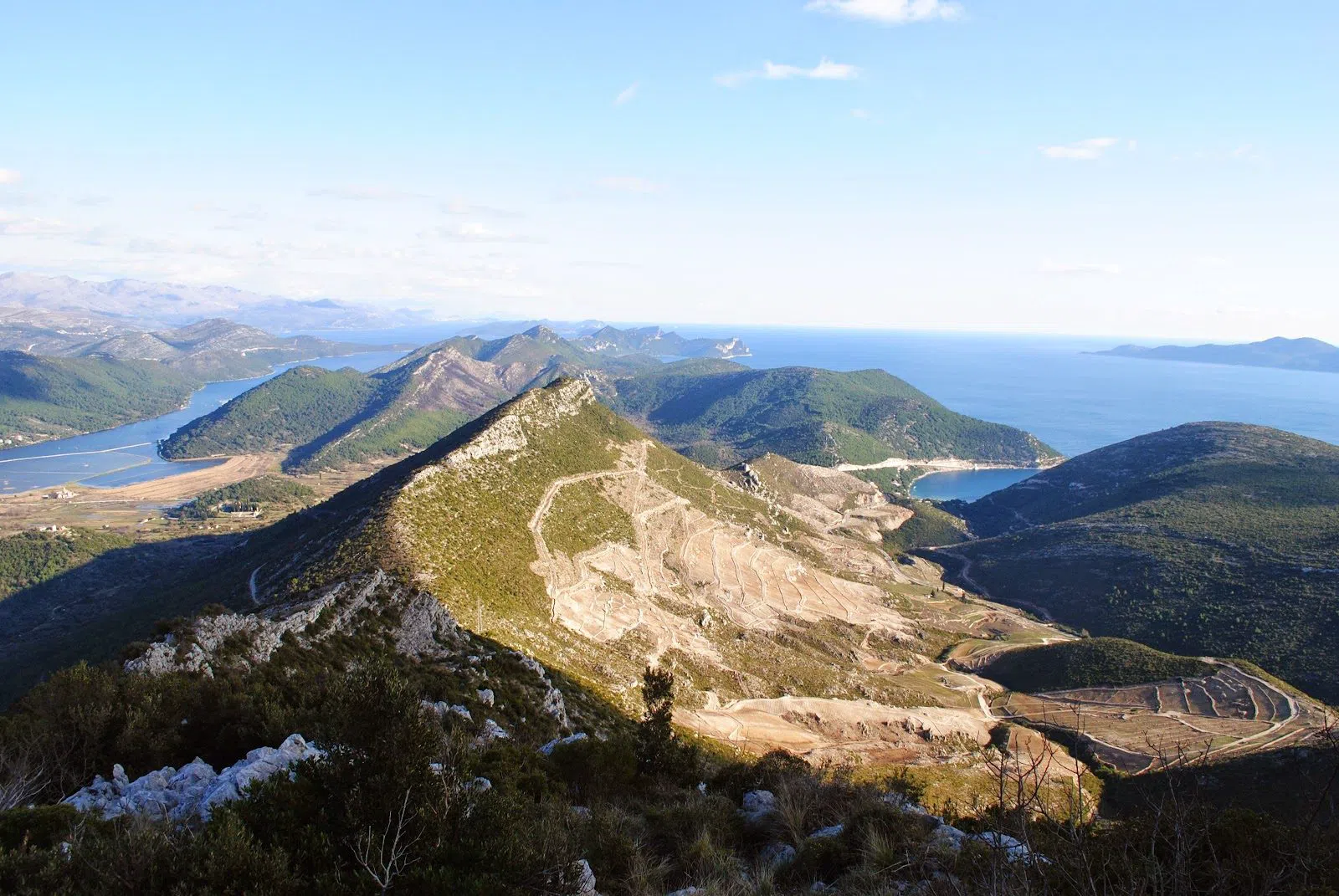
Just as personal is Bura-Mrgudić Winery (Mokalo), run by siblings Niko Bura and Mare Mrgudić, who hand-tend steep Dingač and Postup parcels. The wines are artisanal and terroir-driven and the welcome is warm; tastings run roughly €15–25 per person. It suits small-to-mid groups — call ahead.
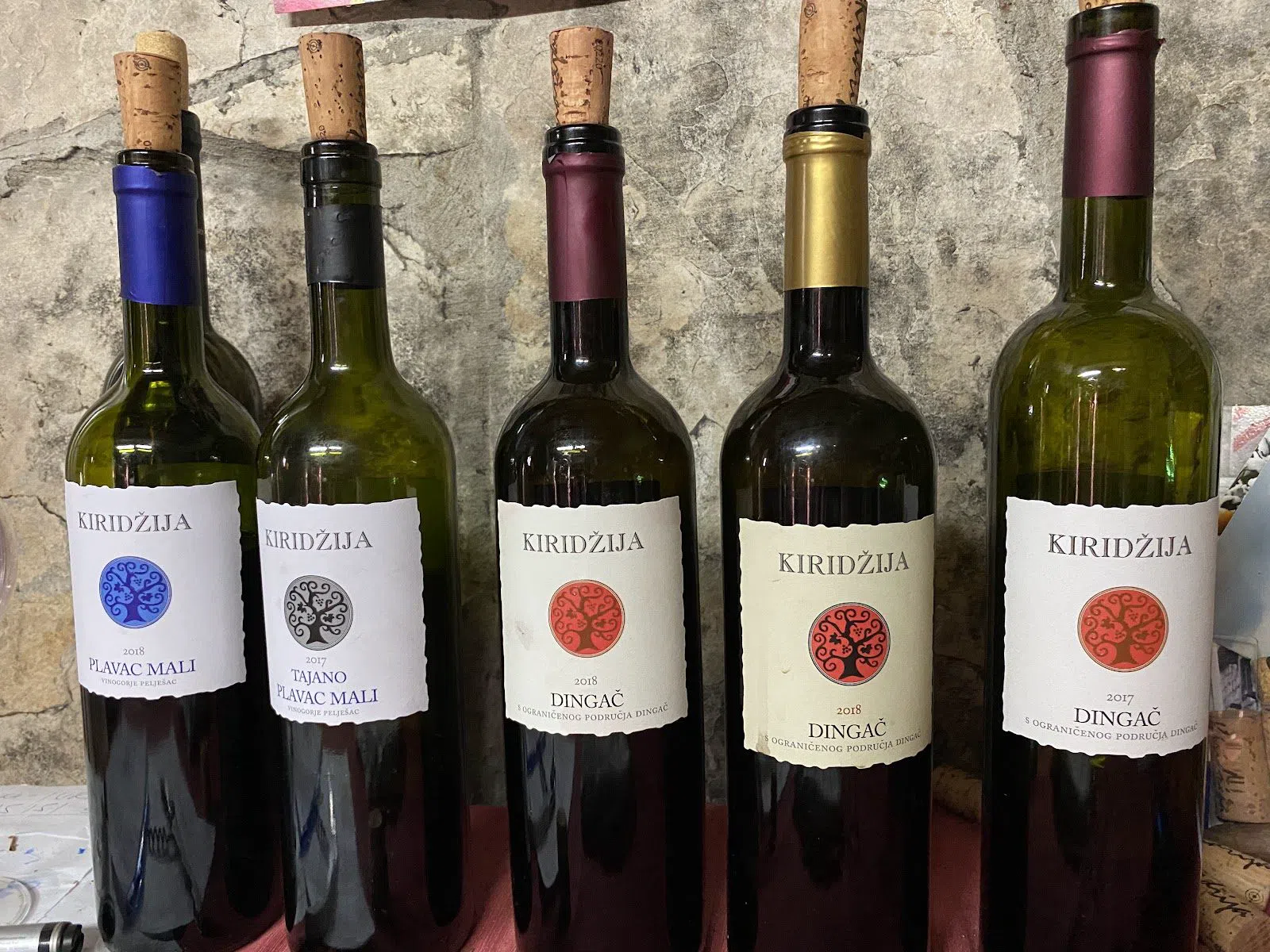
Two tiny cellars reward the true enthusiast. Kiridžija Winery (a Dingač village) is a very small artisan producer, quietly one of the best in the village for balanced, not-over-oaked Plavac Mali — a connoisseur's stop for couples and small groups, and no place for a coach; arrange ahead. And Vinarija Križ (upper Pelješac) is the natural-wine pick: Denis Bogoević Marušić made Croatia's first organic-certified and first biodynamic Plavac Mali here. Production is tiny and the mid-range, small-batch tastings need arranging in advance, so treat it as a stop for small, curious groups who actively want the biodynamic story rather than a slick pour.
Wine with a proper meal
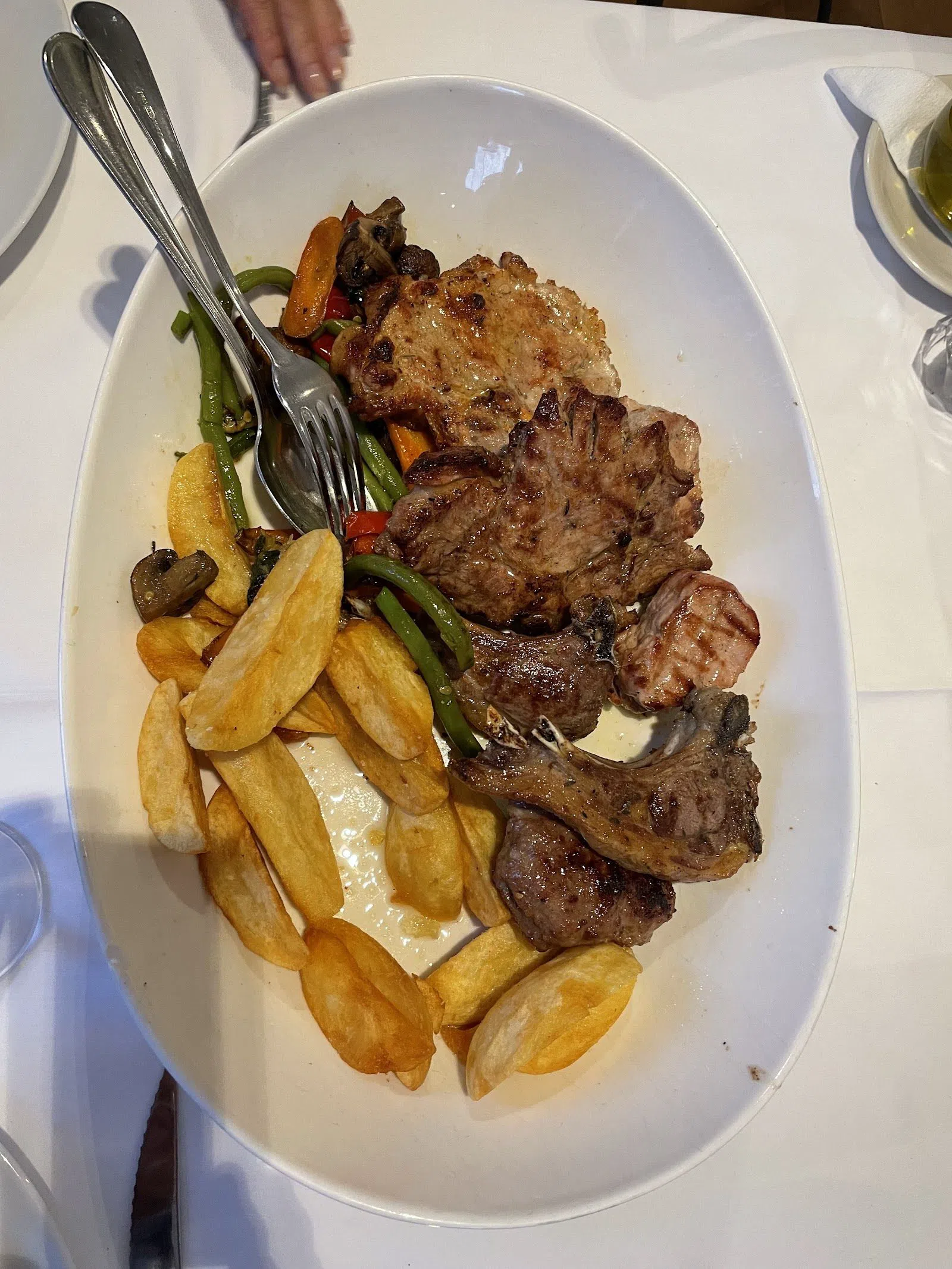
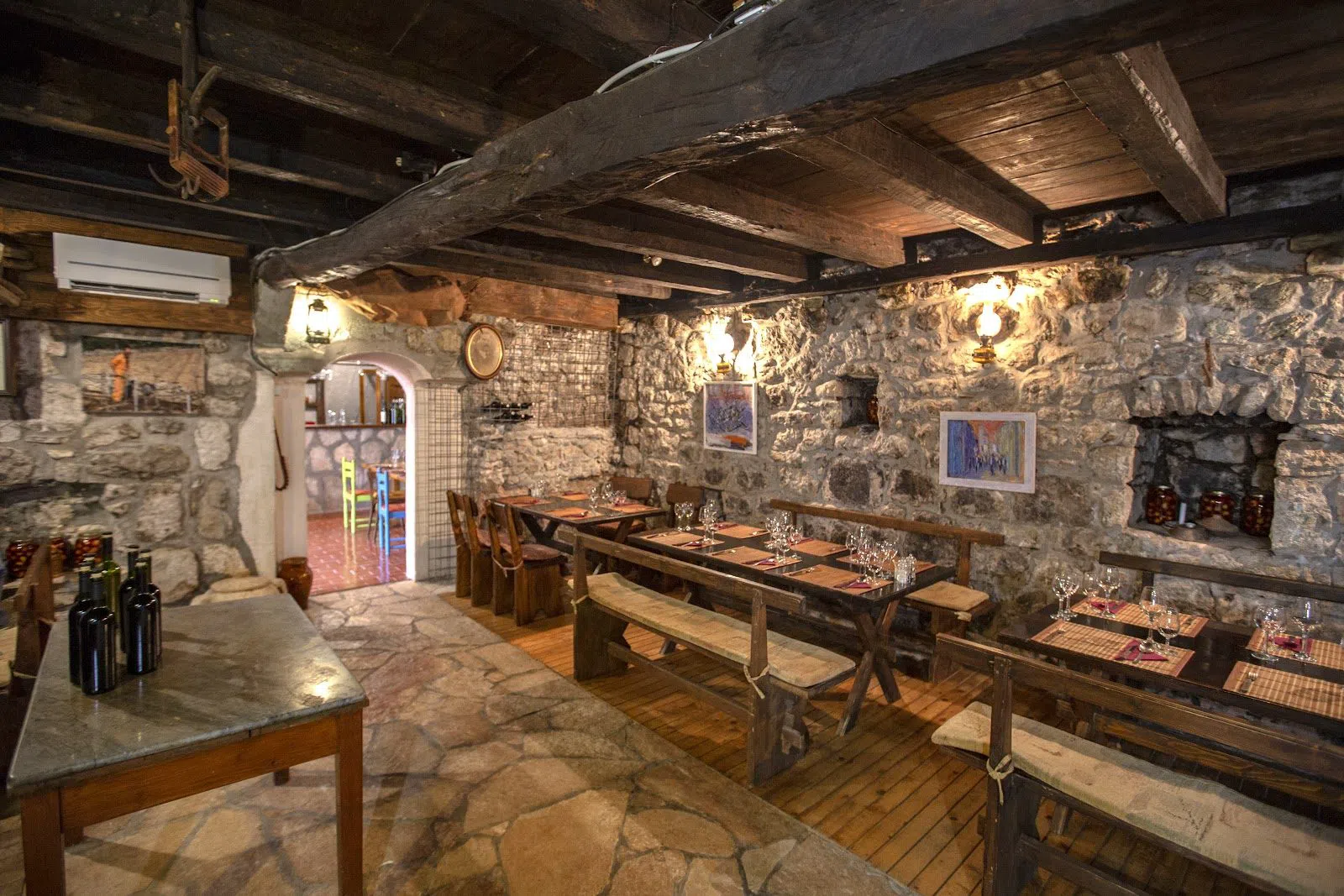
If you'd rather anchor the day around a table than hop cellar to cellar, one address stands out. Vinarija Bartulović (Prizdrina) is a certified-organic family estate with roughly 480 years of winemaking behind it, and its atmospheric konoba — a traditional tavern — makes it the best choice when you want lunch and tasting combined rather than a quick tasting-and-go. The tasting-with-meal is mid-range and ideal for groups; call one day in advance. Pair it with the morning at Ston and you have a complete, unhurried day: walls, oysters, then a long lunch over the family's own reds. (For an evening version with charcuterie rather than a full sit-down meal, Madirazza above does the job too.)
How to read the peninsula
A quick orientation, because the labels confuse first-timers. Dingač and Postup are the two celebrated cru slopes — steep, south-facing, sun-and-sea-drenched — and Plavac Mali from them is deeper, more structured and more expensive than the peninsula's everyday reds. Almost every cellar above will pour both; the fun of a day here is tasting the same grape from different growers and slopes side by side. The seasonal note worth knowing: oysters are at their plumpest and best from the cooler months into spring, and the shellfish festival energy peaks around March, though the beds are worked and eaten from year-round.
Practical: getting there, booking and budget
Getting there. Pelješac begins about an hour's drive north of the old town. Since 2022 the Pelješac Bridge lets you skip the old border crossing, so a hire car makes the day easy — or, better, book a driver, because you will be tasting Plavac Mali all afternoon and the peninsula's roads are narrow and winding. Local wine-tour operators run minivan day trips that handle the driving, the bookings and the tunnel-village logistics for you.
Booking. Ring or email ahead for everything except the Ston walls. The small growers (Miloš, Kiridžija, Bura-Mrgudić, Križ, Marlais) genuinely need notice; the big cellars (Matuško, Vinarija Dingač) take walk-ins but fill with groups in peak season; the premium tables (Korta Katarina, Saints Hills) and the Bota Šare boat should be reserved days ahead in July and August.
Cash and cost. Croatia is on the euro, so there are no currency headaches — cards are widely accepted, but carry some cash for the smallest family cellars and the salt-works fee. Budget-wise, a simple day is very doable: co-op tastings from €8–15, mid-range cellars €15–30, the oyster boat €30–40, walls €10. A premium day built around Korta Katarina or Saints Hills, with a driver, is the splurge end at €70+ per person for tastings alone.
Timing. Start early — do Ston and the oysters late morning, hit the big Potomje cellars before the afternoon coach rush, and save a small grower or a konoba lunch for the mellow back half of the day. Two or three wineries plus Ston is a satisfying, unhurried day; four is pushing it if you actually want to taste rather than sip and run.
Base yourself in the old town and this is one of the great day trips out of the city — start your search on our Dubrovnik hotel search, and read the Dubrovnik guide for where to eat and sleep the night before you head north to the vines.
Before you go
How far is Pelješac from Dubrovnik and how do I get there?
The peninsula starts about an hour's drive north of the old town. Since the Pelješac Bridge opened in 2022 you skip the old border crossing, so a hire car is easy — but because you'll be tasting Plavac Mali all afternoon, most people book a driver or a minivan wine tour rather than drive themselves on the narrow, winding roads.
Do I need to book the wineries in advance?
Yes, for almost everything except the Ston walls. Small family growers like Miloš, Kiridžija, Bura-Mrgudić, Vinarija Križ and Marlais genuinely need a day's notice; the big Potomje cellars (Matuško, Vinarija Dingač) take walk-ins but fill with groups in peak season; and the premium estates and the Bota Šare oyster boat should be reserved several days ahead in July and August.
Which winery is best for a big group or a coach, and which for a couple?
For coaches and large groups, head to Potomje — Matuško, Vinarija Dingač and Madirazza are built for volume and easy tastings. For couples or small serious groups, choose a hands-on grower like Miloš, Kiridžija, Bura-Mrgudić or Vinarija Križ, where the family guides you personally and coaches aren't welcome.
What's the difference between Dingač and Postup?
Both are celebrated cru slopes on Pelješac — steep, south-facing and drenched in sun and reflected sea light. Plavac Mali grown there is deeper, more structured and pricier than the peninsula's everyday reds. Most cellars pour both, so tasting the same grape from different growers and slopes side by side is the real fun of the day.
Can I do the Ston oysters and wine tasting in the same day?
Absolutely — that's the classic itinerary. Start at Ston with the walls and salt works, do the oysters (the Bota Šare boat from Mali Ston is the highlight, around €30–40 per person), then head up to two or three Potomje-area cellars. Two or three wineries plus Ston is a full, unhurried day; book a driver so nobody has to stay dry.