The Dubrovnik issue
Lokrum: The Green Island Fifteen Minutes from Dubrovnik's Walls
A calm, practical guide to Dubrovnik's forest island — the monastery, the peacocks, the safest swim, the best view, and how to do it all on one ferry ticket in 2026.

By Daniel OkaforThe city beyond the cruise-ship crowds
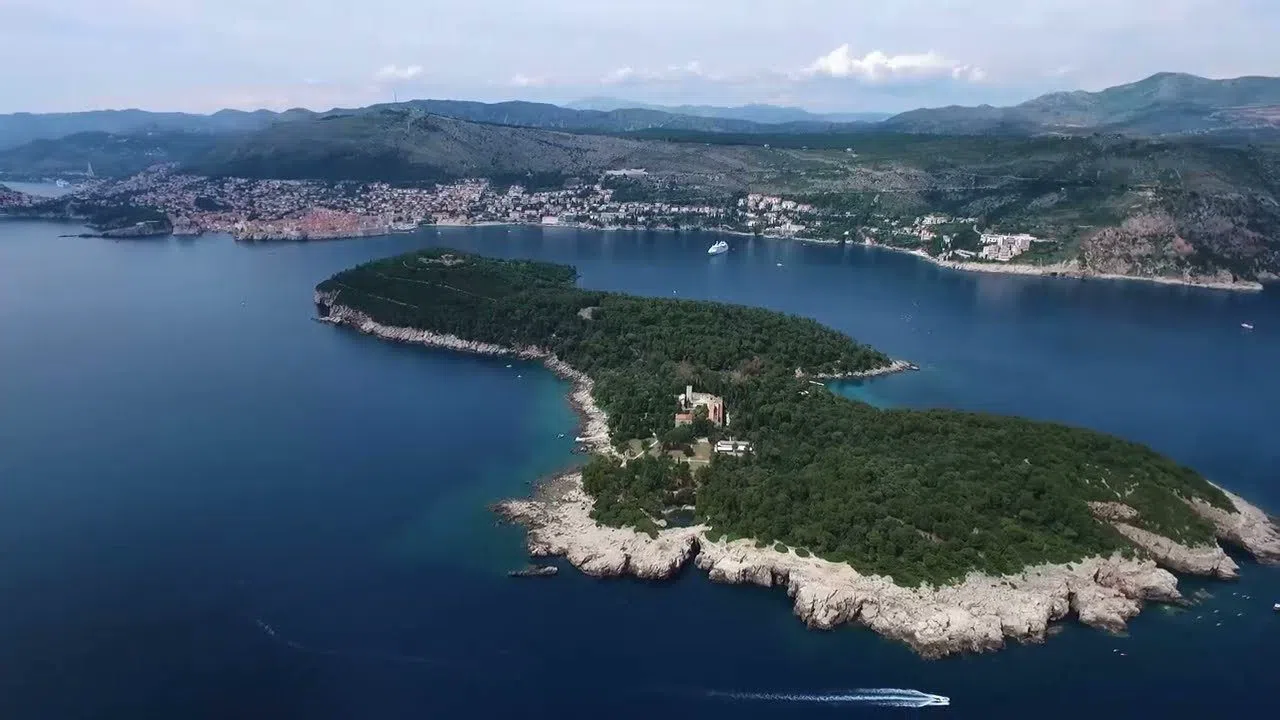
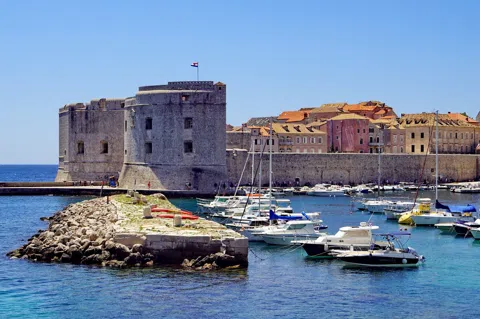
From the top of Dubrovnik's ramparts you can see it: a low, dark-green hump of holm oak and pine, close enough to feel like part of the city and just far enough to be another world. That is Lokrum — a fifteen-minute boat ride from the Old Port, a protected nature reserve, and the single easiest half-day escape from the summer crush inside the walls. No cars, no hotels, no one allowed to stay overnight; just forest paths, a ruined monastery, a saltwater lake and a resident population of peacocks that behave as though they own the place, which, functionally, they do.
This is a guide to spending that half-day well — what to see, where to swim, when to arrive, and how to avoid the two mistakes almost everyone makes (missing the last boat, and bringing no cash). Everything below sits inside a single reserve, reached by a single ferry, so plan it as one loop rather than a list of separate outings. If you're still sorting a base for the trip, start with a Dubrovnik hotel search; for everything beyond the island, the wider Dubrovnik guide has the rest.
Getting across: one ticket does everything
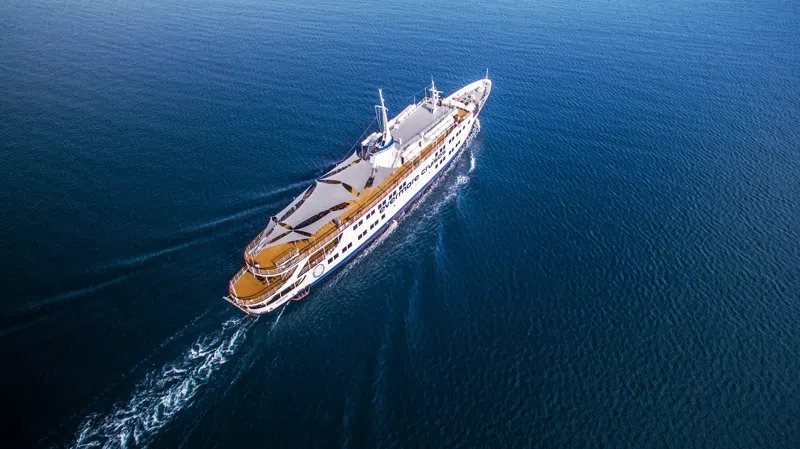
The only legitimate way onto the island is the Lokrum Reserve Official Ferry & Nature Reserve Entry (departs Dubrovnik's Old Port), and the good news is that it keeps things simple. One combined ticket covers your return crossing and reserve entry in a single purchase — €30 for adults, €5 for ages 7–18, free for under-7s. You buy it at the Old Port kiosk; there's no booking, no timed slot, and boats run every 15–30 minutes through the day, so groups can turn up and go rather than herd everyone onto one departure.
Two numbers matter more than the price. The first is the crossing time — about fifteen minutes, which is why Lokrum works even on a busy Dubrovnik itinerary. The second is the last boat back, which in high season leaves around 7pm. Photograph the schedule on the dock when you land. There is nowhere to sleep on Lokrum and rangers clear the island each evening, so a missed last boat is a genuine problem, not a funny story. Beyond that, the practical advice is boring and correct: aim for the first sailings after opening. Arrive by mid-morning and you'll have the monastery and the Dead Sea to yourself; the midday boats deliver the crowds that make both feel like a queue.
Plan your Dubrovnik trip
Live prices from our booking partners.
Free cancellation on many rooms. We may earn a commission when you book.
The monastery, the curse and the throne
Walk up from the dock and the paths funnel you toward the Benedictine Monastery Ruins & Cloister (island interior), the atmospheric core of any Lokrum visit and free to wander once you're inside the reserve. Benedictine monks founded a monastery here in the 11th century, and what stands today is a layered ruin — medieval bones, later rebuilding, and the open-air cloister that now serves as the most natural meeting point on the island, shaded and cool when the paths outside are baking.
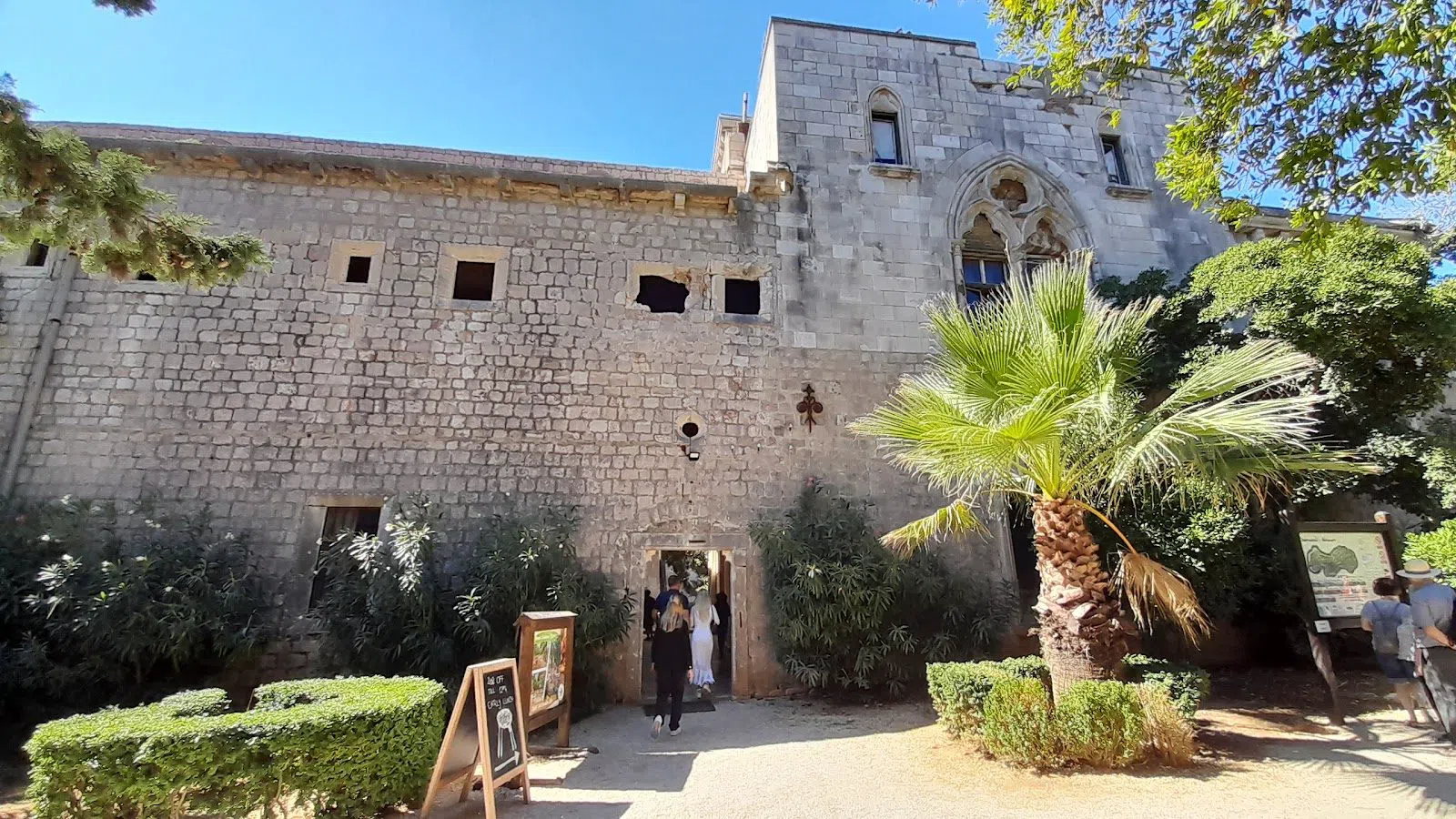
You'll hear the legend before you've read a word of history: that the evicted monks, forced out when the monastery was dissolved, laid a curse on anyone who took Lokrum for their own pleasure. It's a good story, and the roll-call of owners who met bad ends keeps it alive. The history underneath is worth more. The Benedictines held the island for the better part of seven centuries until the French administration dissolved the monastery in the early 1800s; Lokrum then passed through private and imperial hands — most consequentially to Archduke Maximilian of Austria in the 1850s, whose later execution in Mexico did no harm to the curse's reputation. The ruin you're standing in is the residue of that whole arc, not just a spooky footnote.
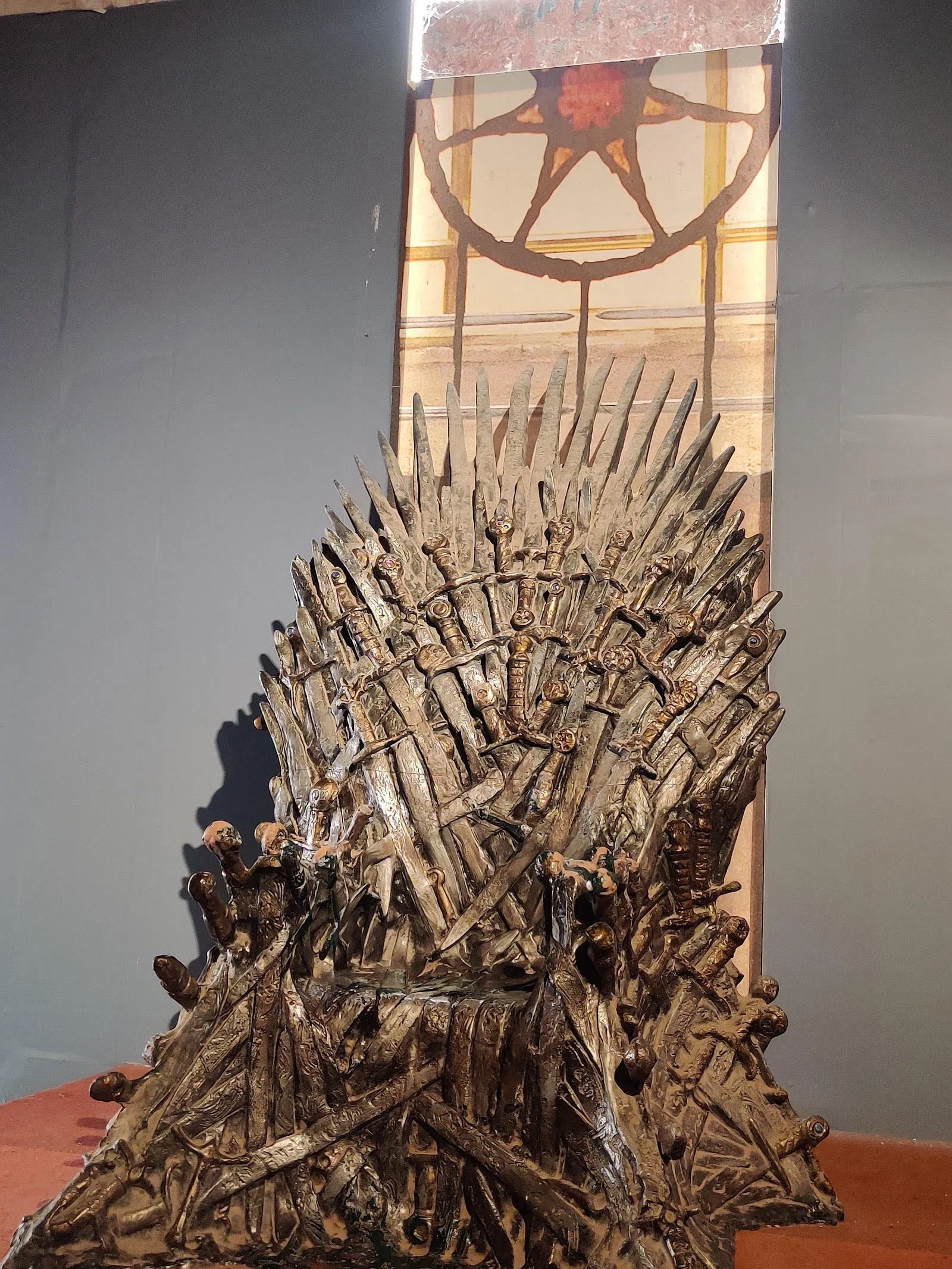
Tucked into the monastery complex is the Game of Thrones Iron Throne Exhibition (inside the monastery), a small indoor room built around the replica throne HBO gifted to the island — free to enter, and yes, you can sit on it. It's a quick win: a single seated photo, a short queue in peak season, no extra cost beyond the ferry. Fans will want it; everyone else can skip the line and lose nothing. The honest context is that Lokrum's screen life was brief — the monastery grounds stood in for the eastern trading city of Qarth — and the throne is a souvenir rather than a set piece. Sit, snap, move on; the eleventh-century ruin around it is the real draw.
The garden, the peacocks and the forest that links it all
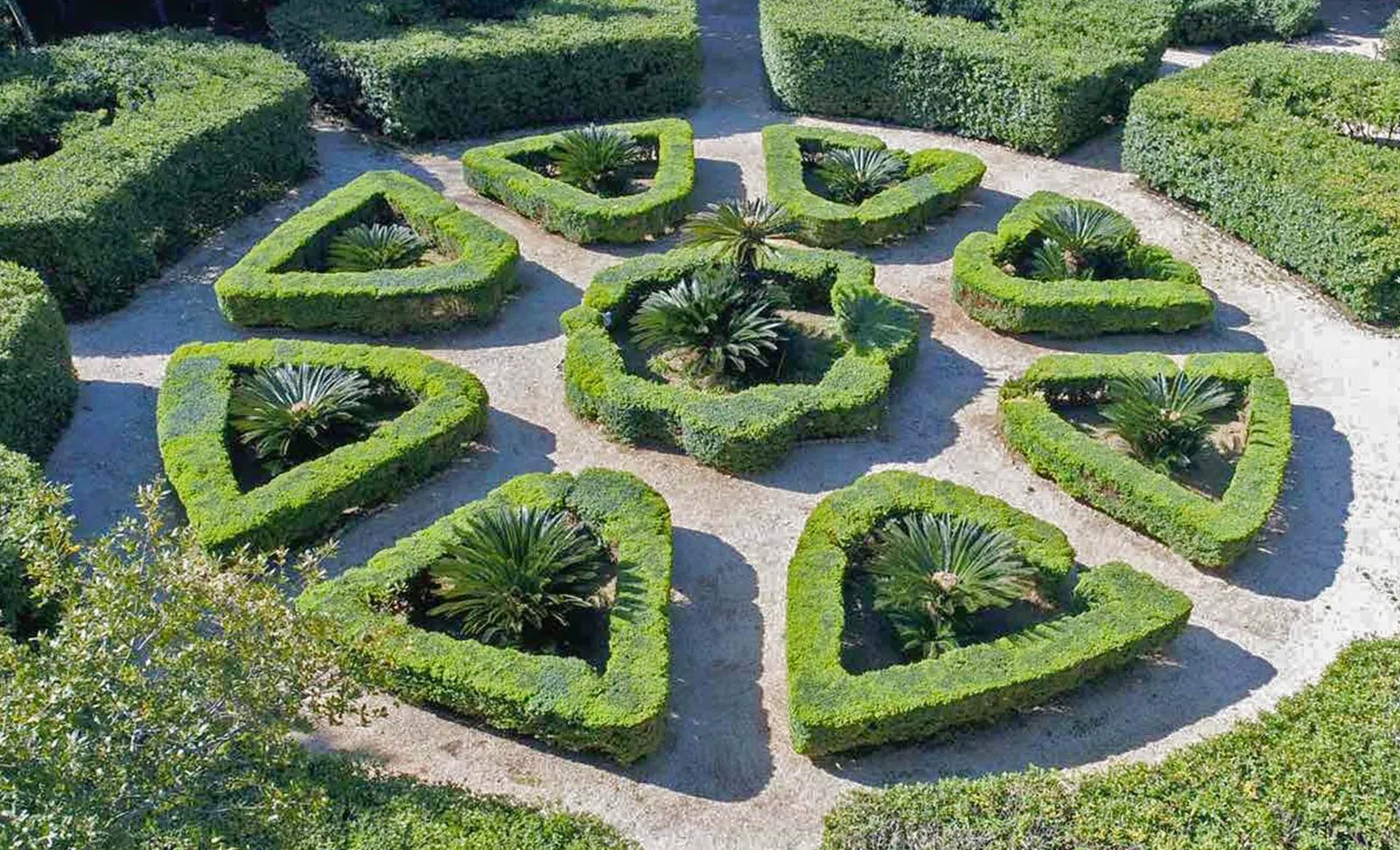
Spread around the monastery is the Royal Botanical Garden & Lokrum Peacocks (central Lokrum), Maximilian's 1850s planting scheme and once home to the richest eucalyptus collection outside Australasia. Be honest with your expectations: this is a garden mid-revitalisation, knocked about by storm damage and an enthusiastic rabbit population, and it reads as handsomely overgrown rather than manicured. What it delivers reliably is the peacocks — descendants of birds Maximilian introduced, now free-roaming, unbothered and photogenic, and a near-guaranteed hit with children. They are also loud and quite willing to investigate your lunch, so mind open bags.
Stitching every sight together are the Pine & Holm-Oak Walking Trails (island-wide), a network of wide, gentle loops that connect the monastery, the swimming spots, the fort and the beaches under a canopy of pine and holm oak. This is the connective tissue of a Lokrum day and the part most visitors underrate: cool, fragrant, shaded walking that turns a set of attractions into an actual outing. The full circuit is easy enough for any group and any fitness, and the shade is not a luxury in July — it's the difference between a pleasant loop and a miserable one. Walk it in the first hour or the last; the middle of the day belongs to the sun and the crowds.
Swimming Lokrum: from the safest pool to the wildest cove
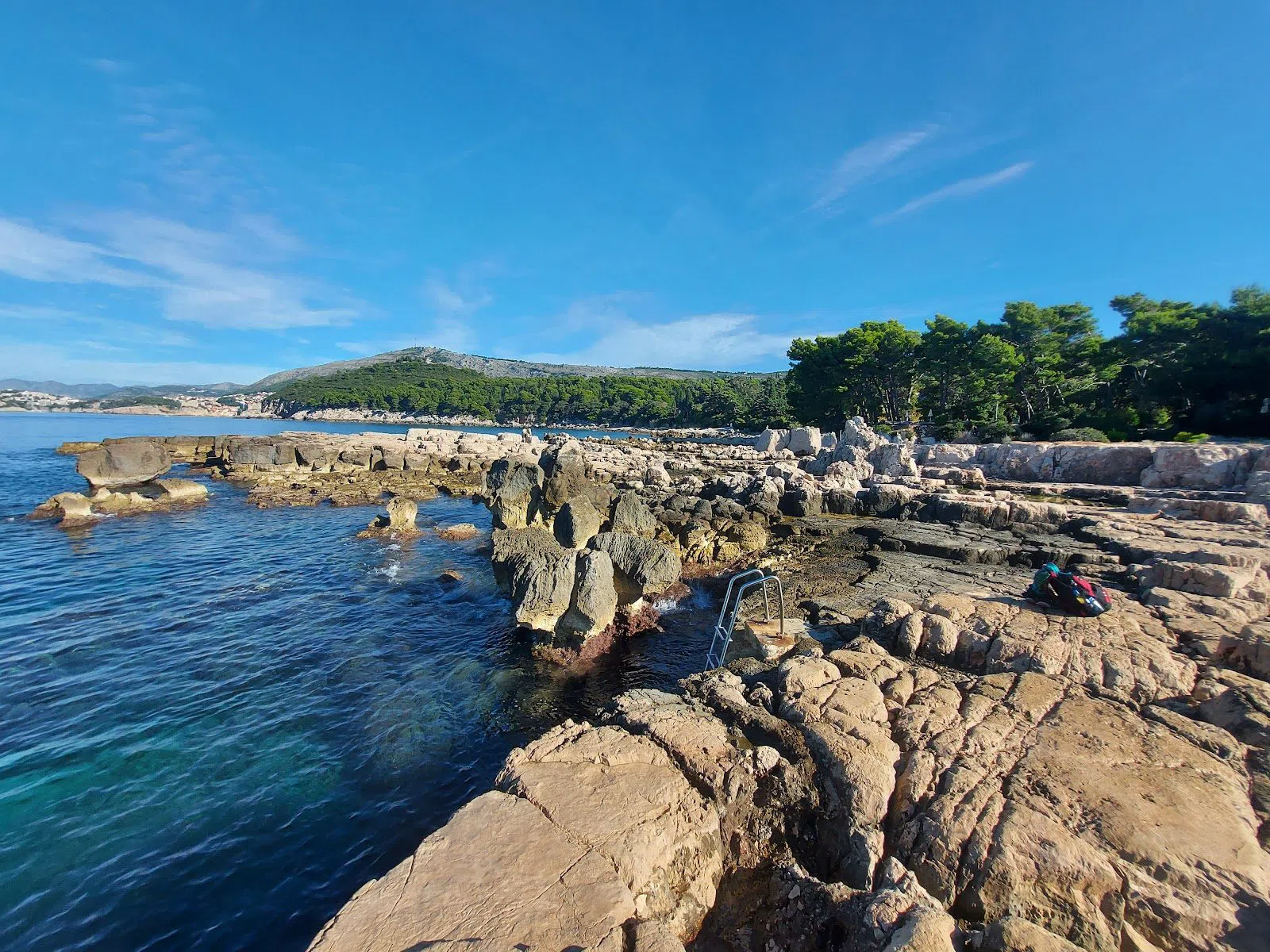
Lokrum's coast is rock, not sand, and it offers a genuine range from paddling-safe to properly adventurous. Pick the spot that matches your group rather than following the crowd to the nearest ladder.
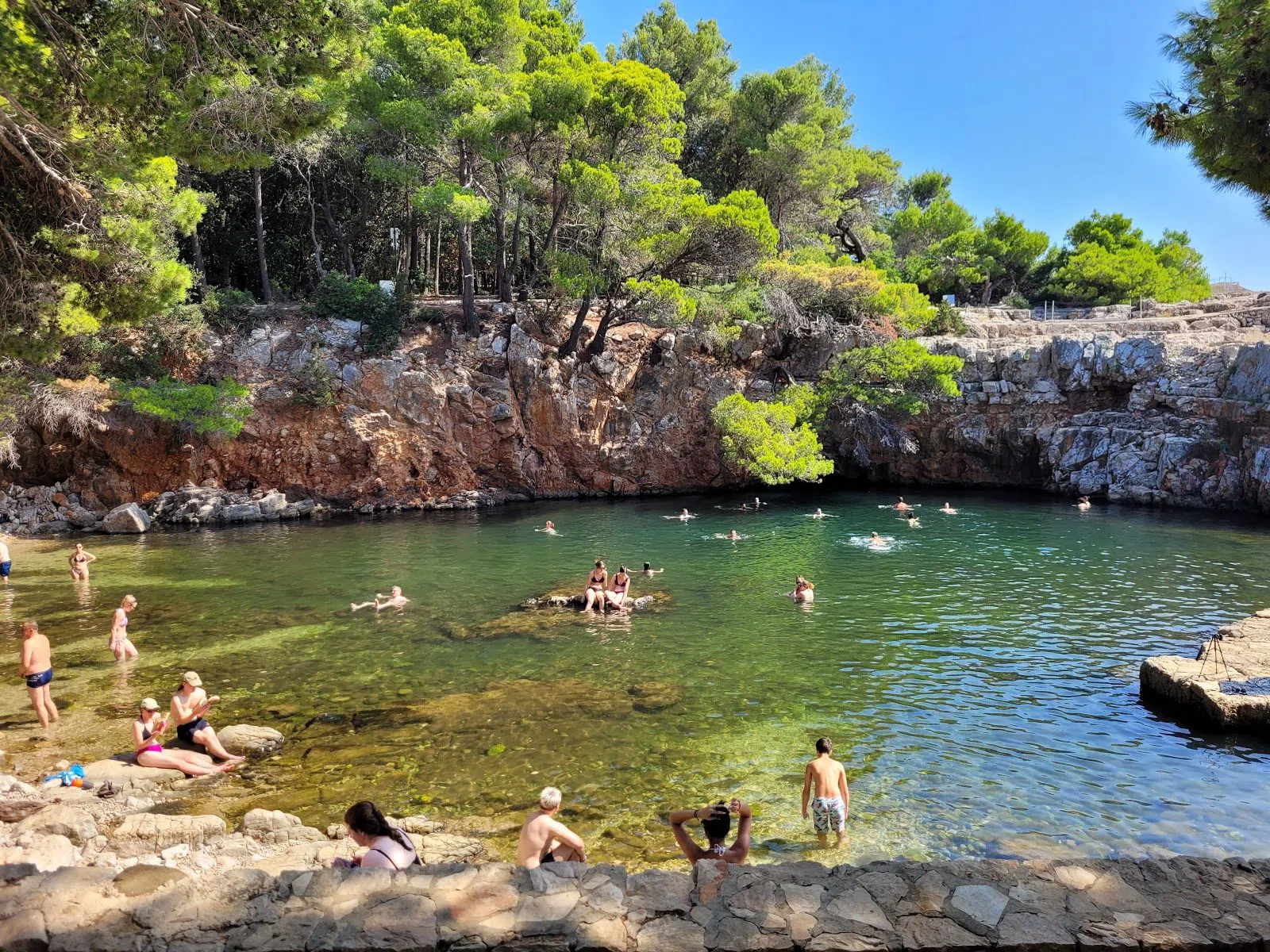
The gentlest option is the Dead Sea Saltwater Lake (Mrtvo more, southern side), a sea-fed rock pool that sits warmer and calmer than the open Adriatic. It's the most sheltered swim on the island and the safest introduction for weak swimmers and kids, which is exactly why it fills up around midday — come early if you want the calm without the company. For open-water swimming, the Skalice Bathing Rocks & Swimming Coves (near the dock) are the island's classic: flat warm rock to lie on, ladders and ledges into deep, clear water, and enough spread-out entries that a group can find its own patch rather than piling onto one platform. This is the everyday Lokrum swim, and a short walk from where the ferry lands.
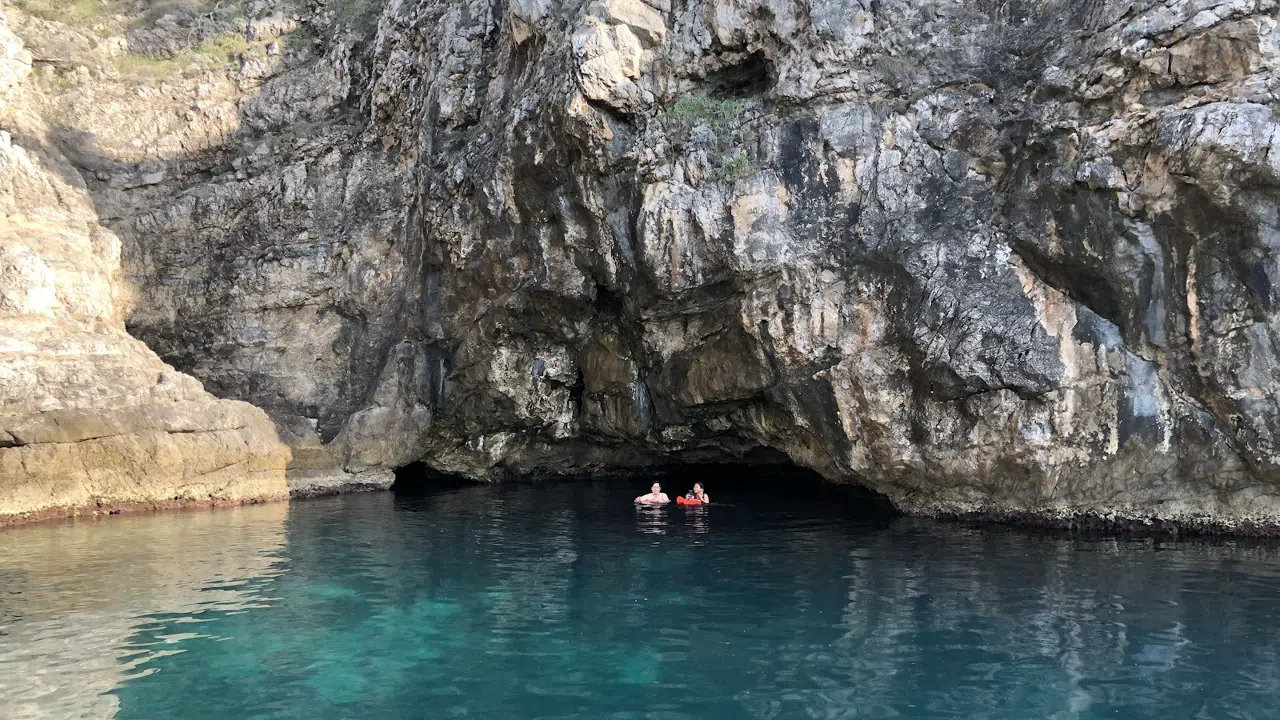
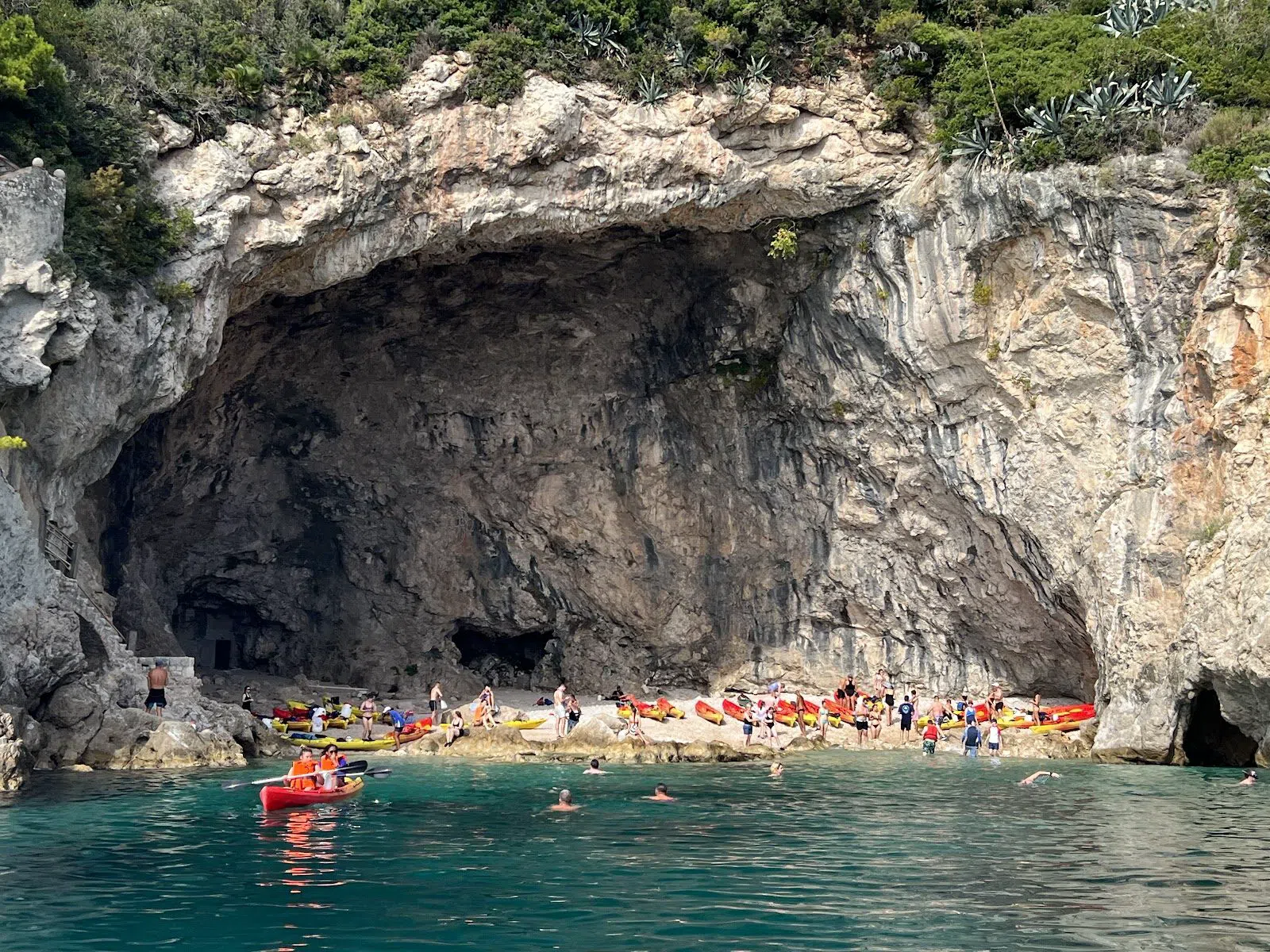
Two spots ask more of you. The FKK Naturist Rocks (Eastern Cape) are a sprawling clothing-optional plateau, long established, quiet, and known as an LGBTQ-friendly corner of the island — Croatia's naturist tradition (the 'FKK' signage is the giveaway) at its most scenic and low-key. It's clearly signposted and clearly optional, so it suits the curious and the shy in equal measure; wander over and there's no pressure either way. Furthest out is Betina Cave (Betina špilja, the mainland-facing channel), a hidden pebble-beach grotto that you can only reach by kayak, boat or a strong, confident swim. It's free to reach under your own steam, but this is not a casual paddle — treat it as a small-group objective with a guide unless you genuinely know the water, and check conditions first.
The climb worth making
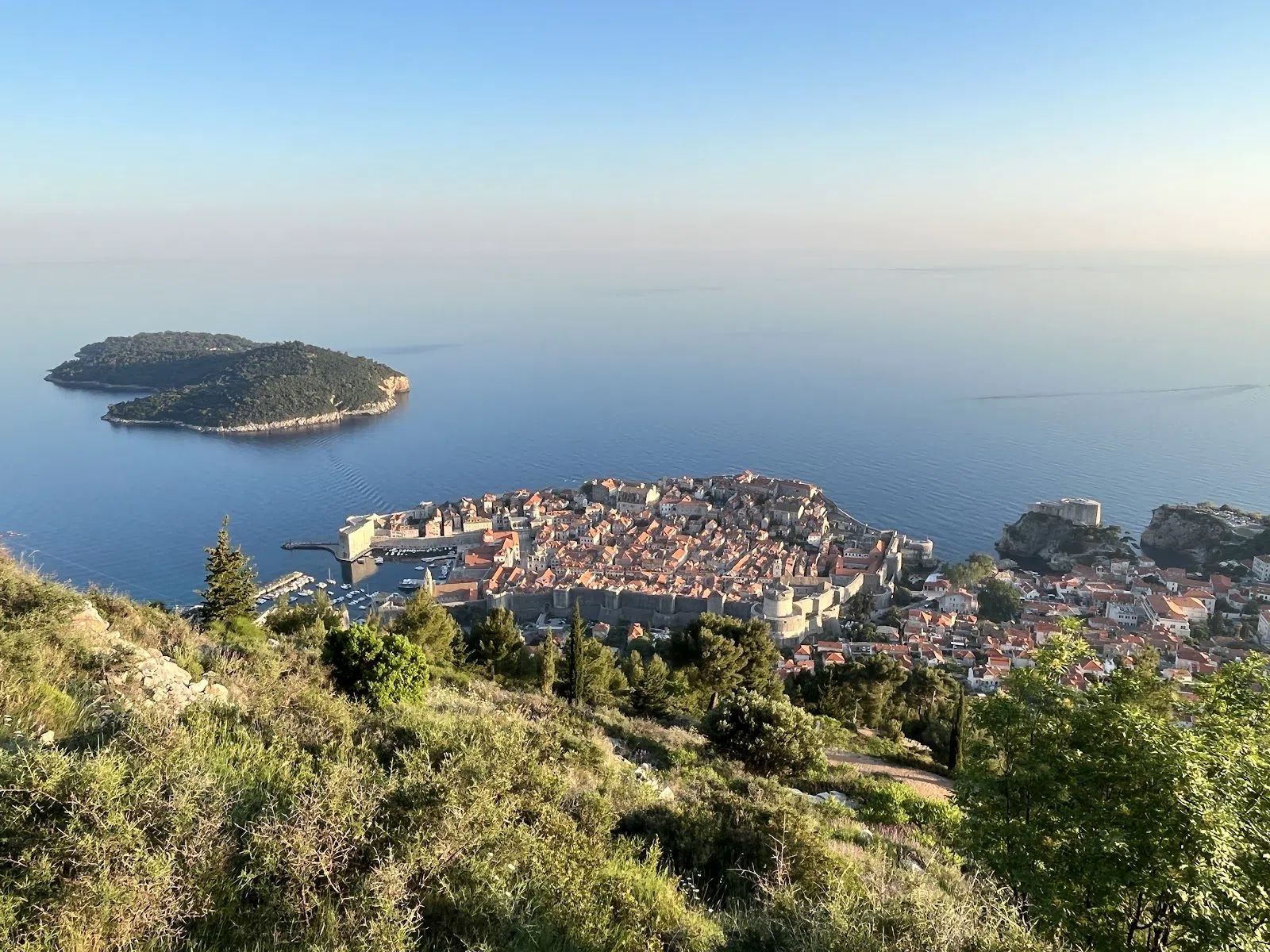
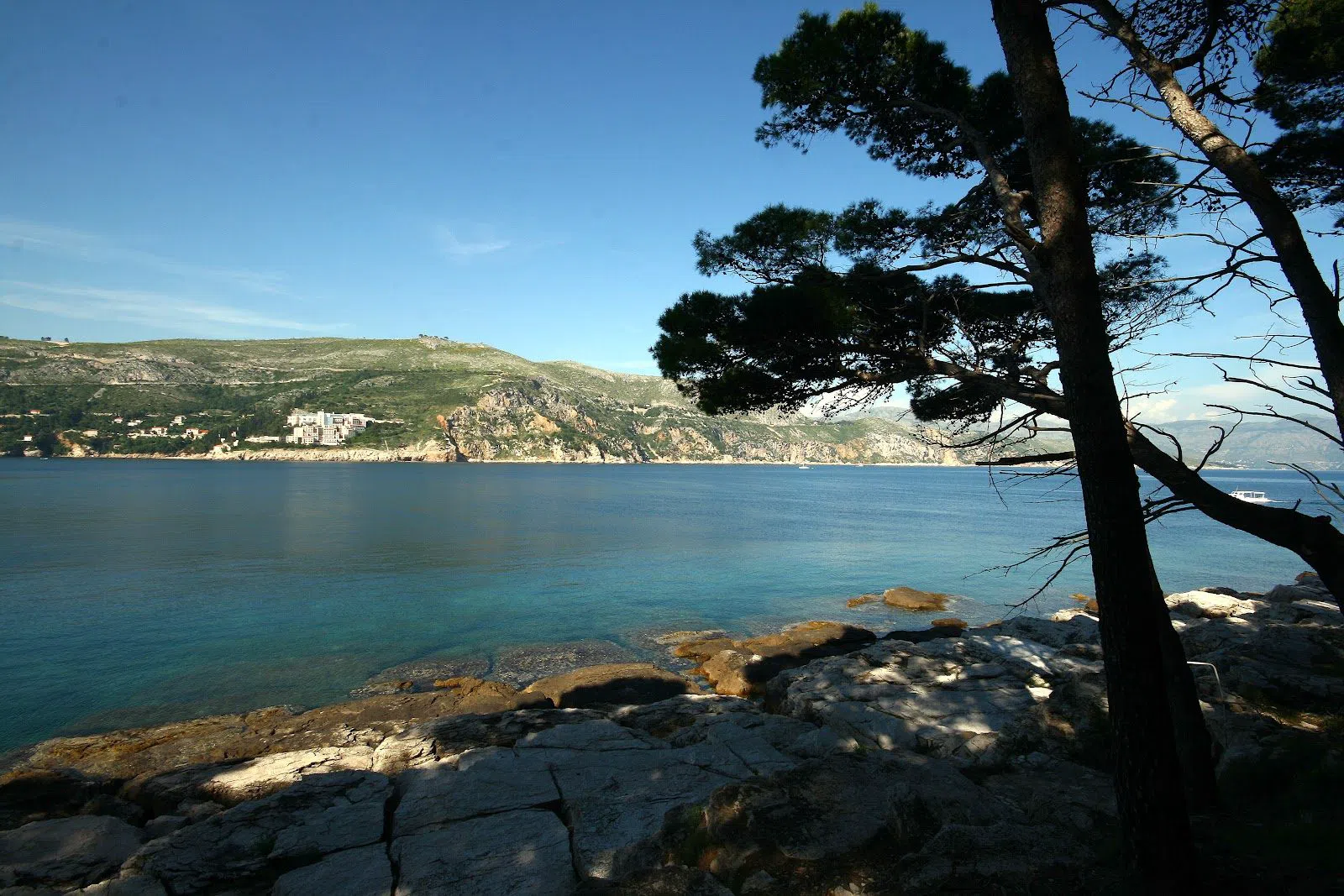
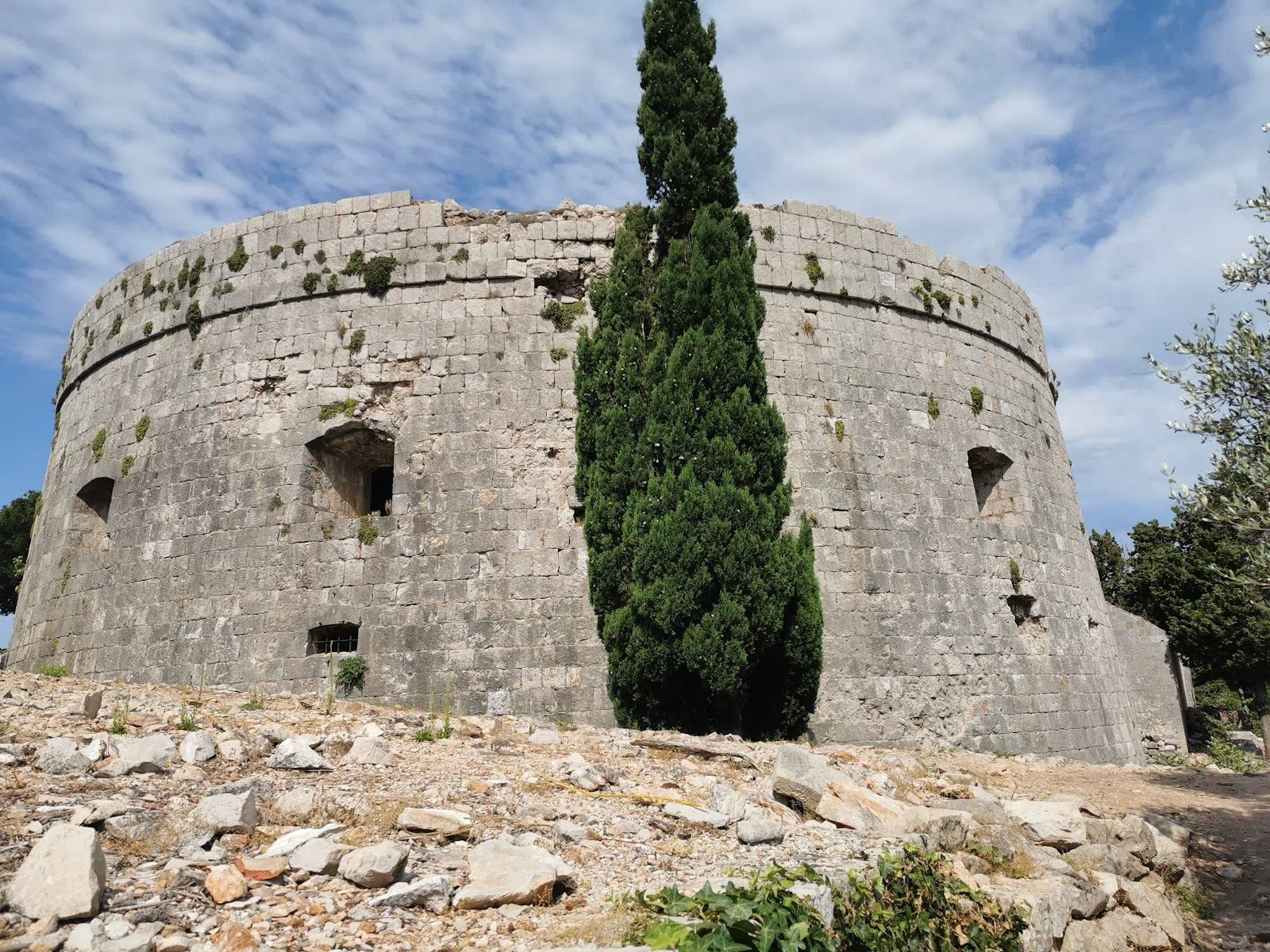
If you do one uphill thing on Lokrum, make it Fort Royal (Forte Reale, the island's high point), a free-access Napoleonic-era ruin about twenty minutes' walk above the shore. The rooftop terrace holds a group comfortably and repays the effort with what is arguably the finest panorama of Dubrovnik anywhere — the walled city laid out across the water, framed from an angle the ramparts themselves can't give you. The trade-off is real: it's a proper climb in full sun, so carry water and wear shoes you can grip in, not the flip-flops you swam in. Late afternoon light is kindest here, and it doubles neatly as your last stop before heading back down to catch the boat.
Arriving the active way
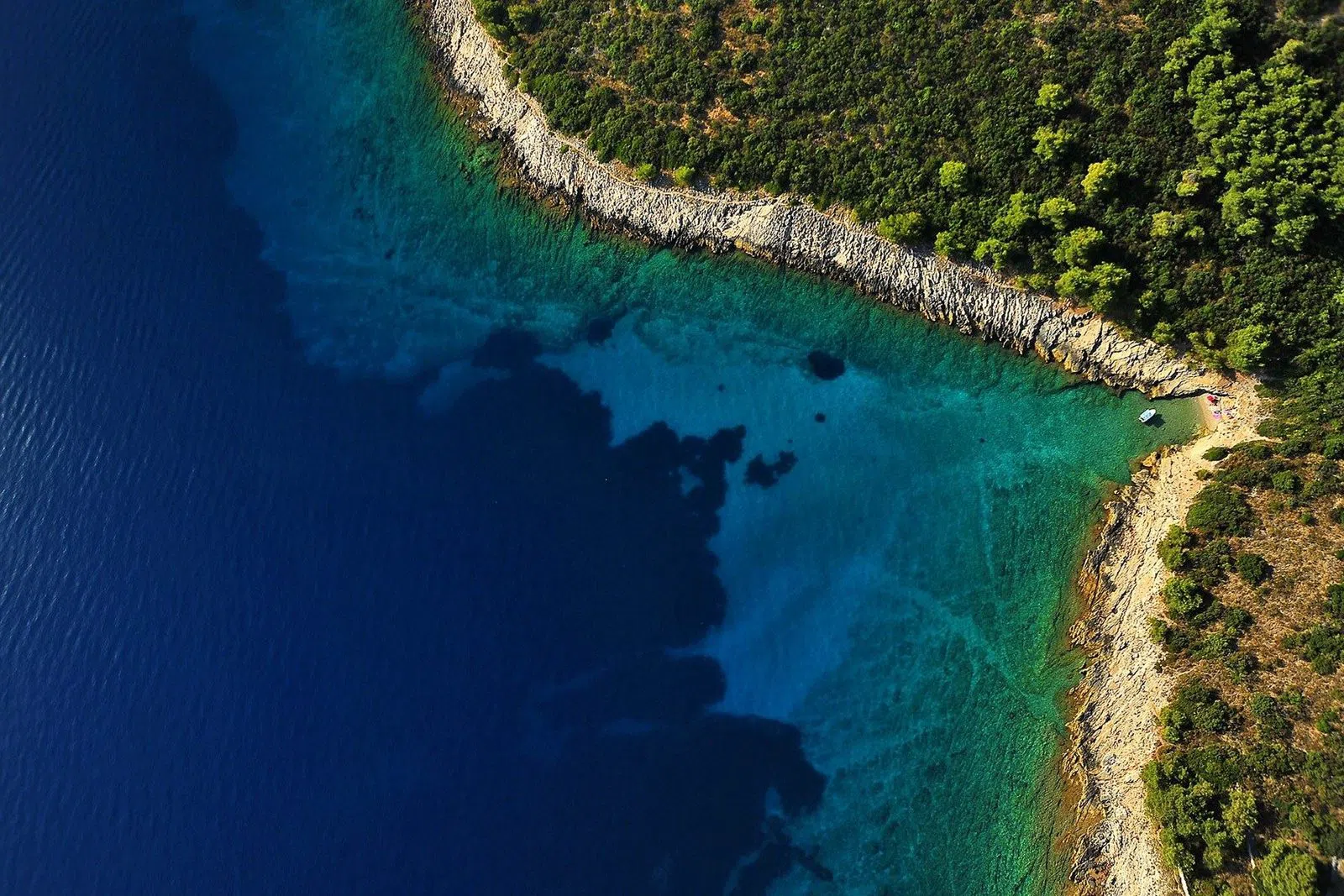
You don't have to take the ferry at all. Adventure Dalmatia — Sea Kayak & Snorkel Tour to Lokrum (departs the Dubrovnik shore) runs guided small-group trips that paddle out under the city walls, snorkel the caves and reach corners of the coast the ferry crowds never see — Betina Cave among them. Tours run €35–55 per person for a three-hour or half-day outing, kit and English-speaking guides included, and they're genuinely beginner-friendly, so no prior paddling is needed. This suits active travellers and confident groups more than families with small children or anyone who'd rather not commit three hours to the water. If that's you, take the ferry and keep the swimming to the sheltered pool.
Where to eat and drink
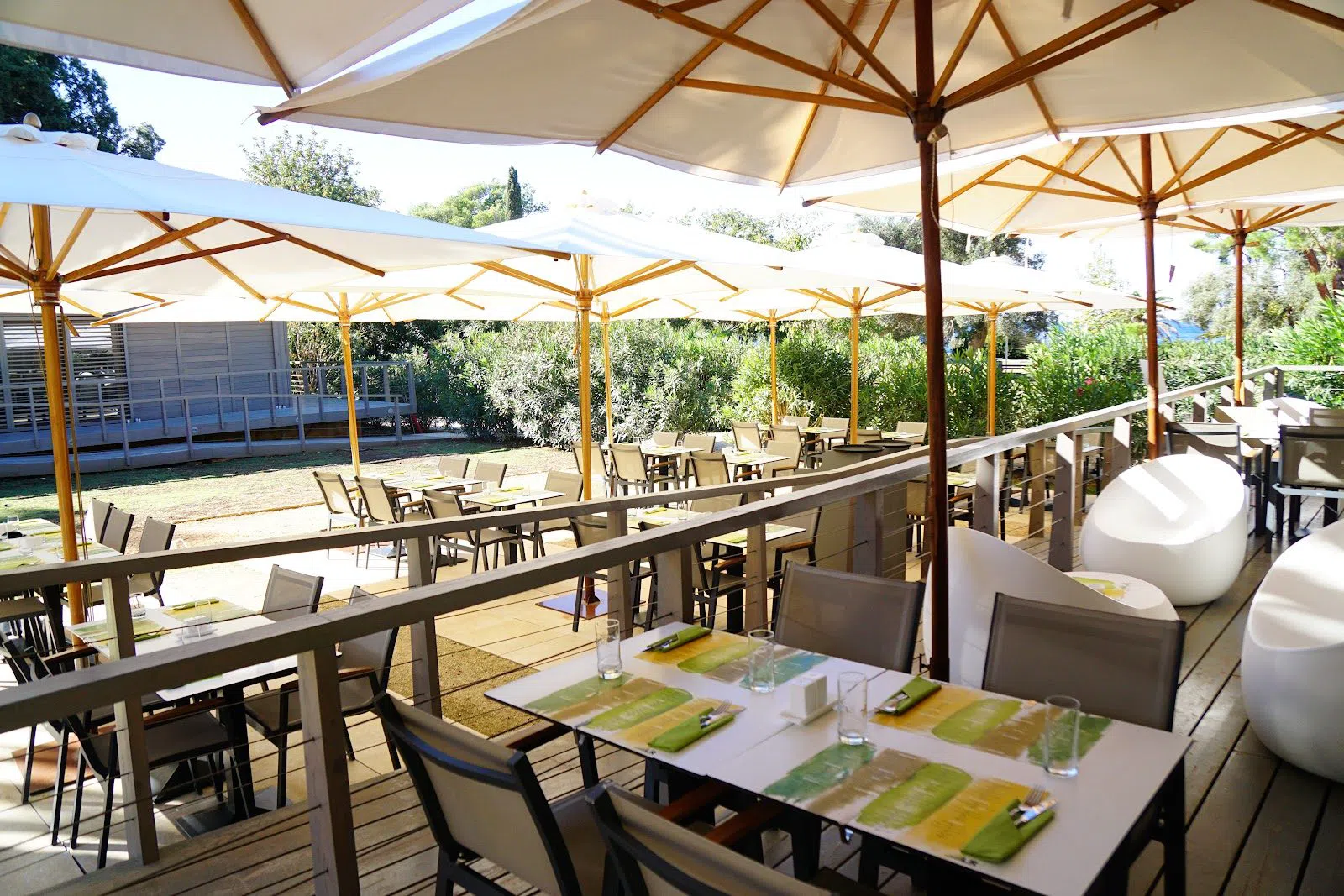
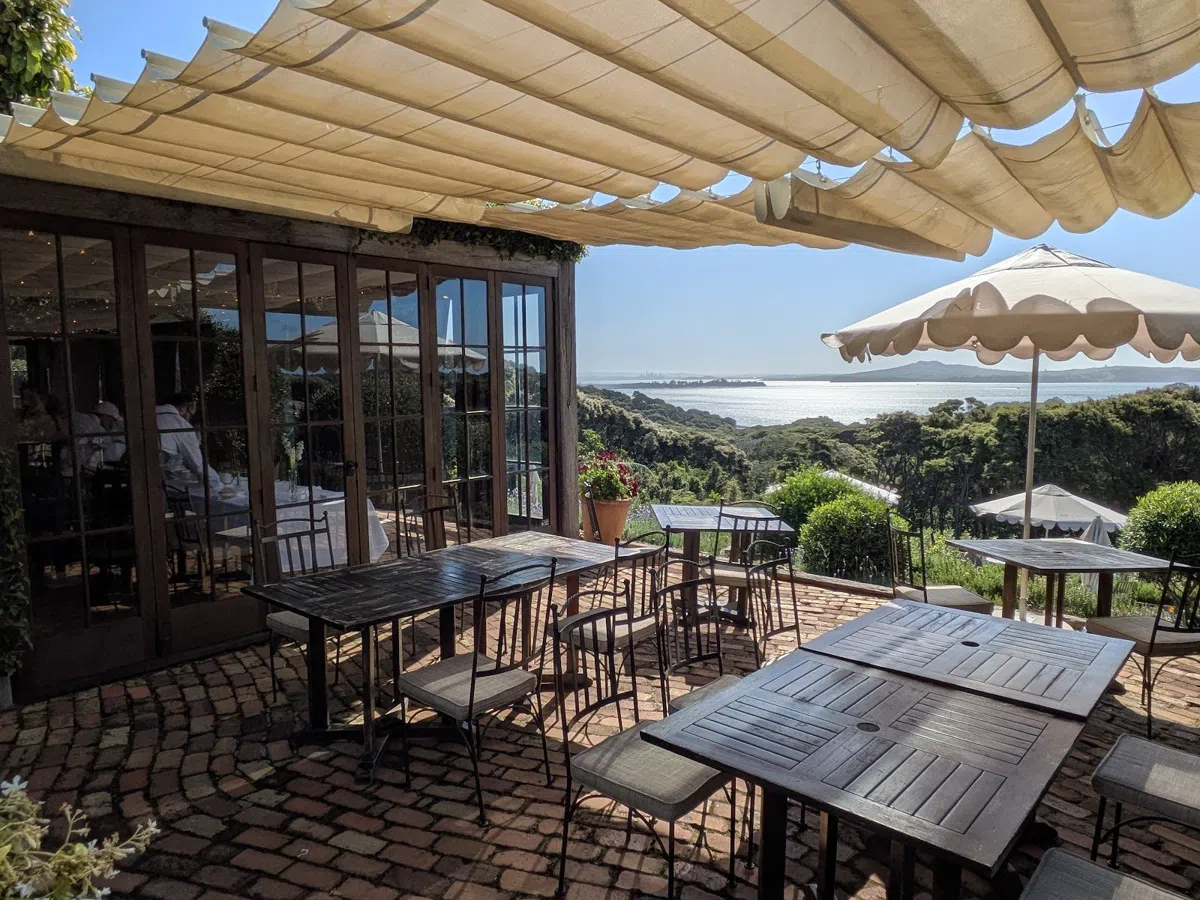
Lokrum is not a place to be casual about food. There's exactly one sit-down option, Lacroma Restaurant (near the dock), plus a dock-side snack bar for a quick bite. It does honest Adriatic cooking — grilled fish, calamari, the reliable staples — in a genuinely lovely setting, with a terrace that can seat a group if you reserve ahead in peak season. Expect captive-island pricing: mains run roughly €15–30, which is the premium you pay for being the only kitchen on a nature reserve. The sensible move is to pack water and a picnic for the day and treat Lacroma as your one proper meal rather than your only source of food; the snack bar covers the gaps. Whatever you do, don't arrive at the last swim of the day assuming there's a shop — there isn't.
Practicalities: transport, cash, timing and budget
Getting there. The ferry leaves from Dubrovnik's Old Port; buy the combined return-and-entry ticket at the kiosk (€30 adult, €5 ages 7–18, under-7s free), no booking needed. Crossing is about fifteen minutes, boats run every 15–30 minutes, and the last boat back is around 7pm in high season — check it on arrival and build your day backwards from it.
Cash. Croatia is in the eurozone, so prices are in euros. Card acceptance on the island is patchy and you're on a reserve, not a high street — carry enough euros in cash to cover lunch and the snack bar, and don't count on an ATM.
Timing. Take one of the first boats. Early gives you the monastery, the Dead Sea and the trails in relative quiet; the midday sailings bring the crowds and the heat together. Save Fort Royal for the cooler late afternoon, then work down to the dock for the boat home.
What to bring. Water (there's little shade-side refill), sturdy shoes for the Fort Royal climb, swim shoes for the rock entries, sun cover, and a packed lunch if you'd rather not pay island prices. Reef-friendly sunscreen is the decent choice on a protected reserve.
Budget, per adult. Reckon on €30 for the ferry-and-entry ticket, which unlocks the monastery, the throne, the garden, the fort, the trails and every swimming spot for free. Add €15–30 if you eat at Lacroma, or near nothing if you picnic. Swap the ferry for a guided kayak tour at €35–55 and you've turned a half-day into an adventure. Either way, Lokrum is one of the best-value days out within sight of Dubrovnik's walls — a whole green island, for the price of a good dinner.
Before you go
How do you get to Lokrum from Dubrovnik and how much does it cost?
Take the official ferry from Dubrovnik's Old Port. One combined ticket covers the return crossing and reserve entry: €30 for adults, €5 for ages 7–18, and free for under-7s. There's no booking — boats run every 15–30 minutes and the crossing takes about fifteen minutes.
When is the last boat back from Lokrum?
In high season the last boat leaves around 7pm. No one can stay overnight on the island, so photograph the schedule when you land and plan your day backwards from that departure to avoid getting stranded.
Where is the best swimming on Lokrum?
For families and weak swimmers, the Dead Sea saltwater lake (Mrtvo more) is the calmest, safest option. For open-water swimming, the Skalice bathing rocks offer deep clear water and plenty of space. There's also a clothing-optional FKK naturist area on the eastern cape, and the hidden Betina Cave for confident swimmers or kayakers.
Do you need cash on Lokrum?
Yes. Croatia uses the euro, but card acceptance on the island is patchy and there's no reliable ATM. Bring enough cash to cover lunch and the snack bar — restaurant mains at Lacroma run roughly €15–30.
Is the Game of Thrones Iron Throne on Lokrum worth seeing?
It's a quick, free win inside the monastery — a replica throne gifted by HBO that you can sit on for a photo, with only a short queue in peak season. The monastery grounds stood in for the trading city of Qarth. The eleventh-century Benedictine ruin around it is the more rewarding history.