The Dubrovnik issue
Beyond the Walls: Kayaking, Snorkeling, and Speedboat Hopping Dubrovnik's Offshore Caves and Islands
The honest 2026 guide to getting off Dubrovnik's ramparts and onto the water — which paddle, boat, dive or jet-ski actually suits your group, and the hour to book it for.

By Daniel OkaforThe city beyond the cruise-ship crowds
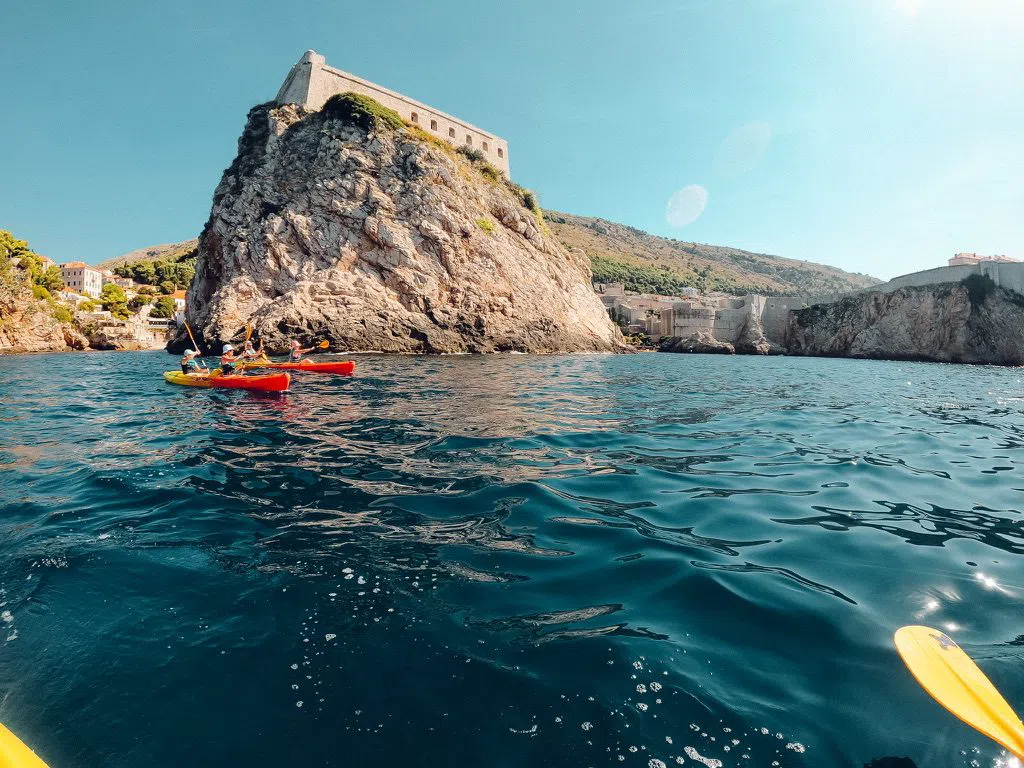
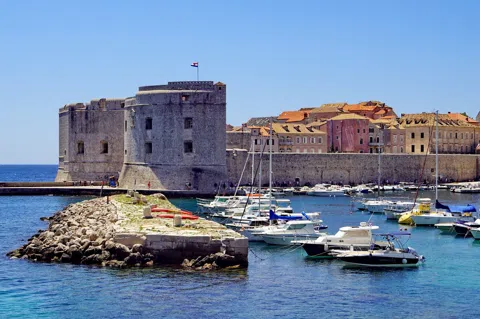
The best view of Dubrovnik isn't from the walls — it's from a kayak fifty metres off them, at the point where the limestone drops straight into water the colour of bottle glass and the whole fortified city reveals itself as what it always was: a merchant republic that got rich by turning its back on the land and facing the sea. Ragusa, as it was called for most of its life, out-traded Venice for centuries on the strength of its ships, and the offshore world it left behind — the deer-named Elaphiti islands, the sea caves, the red-coral walls under Lokrum — is where the real story of this coast is written. This is a guide to reading it from the water, honestly sorted by what each trip actually delivers and who it's for.
Start with a paddle: sea kayaking under the walls
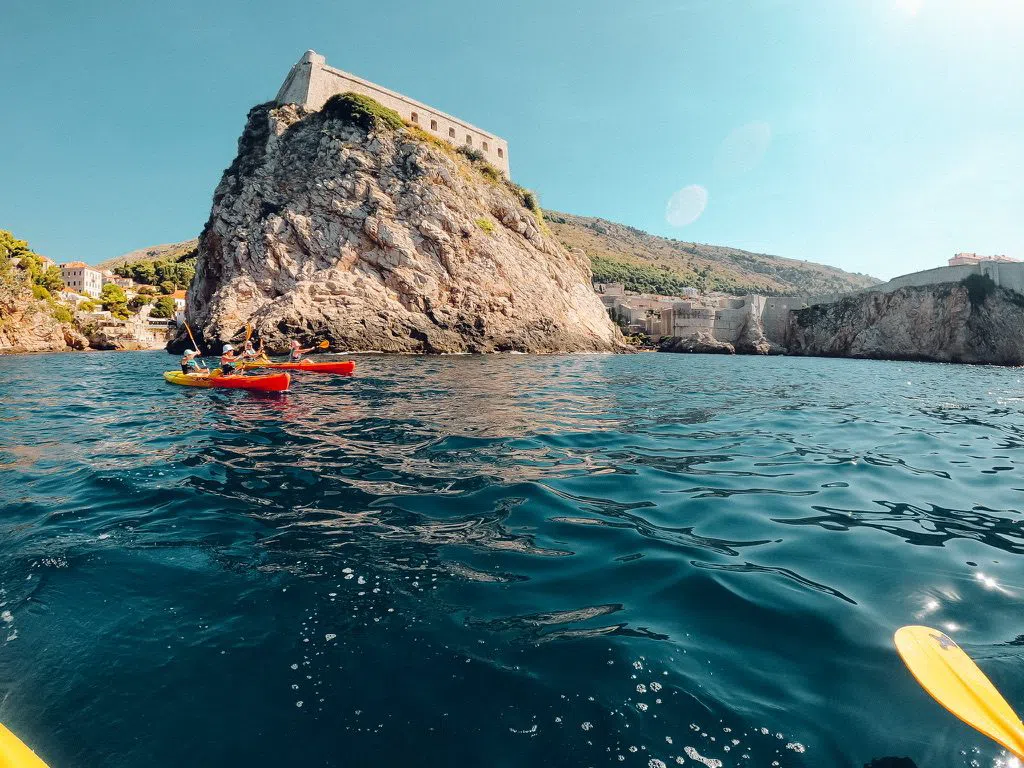
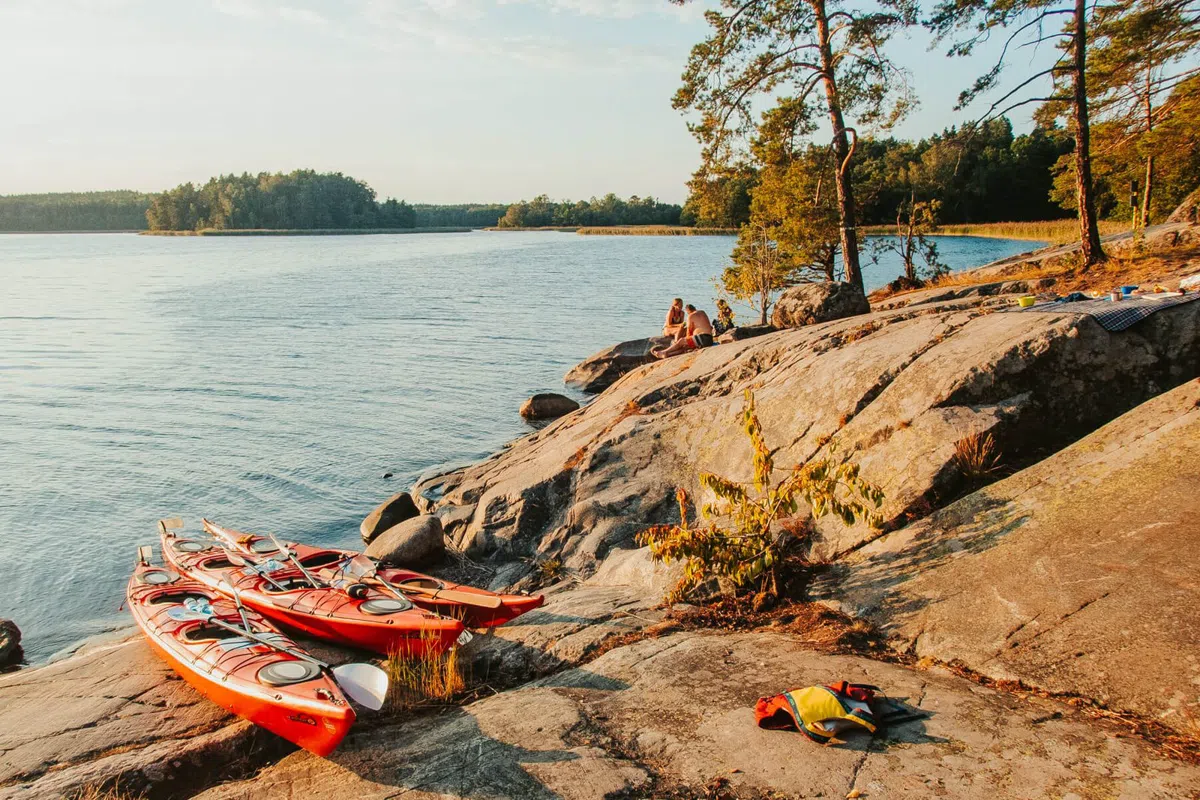
If you do one thing on the water, make it a sea kayak, because it's the only way to get slow and close enough to feel the scale of the fortifications. The default, sensible first-timer's outing is X Adventure Sea Kayaking (Old Town, launching near Pile). Guided tours cap at twelve paddlers, which keeps the group manageable, and the standard route is a genuinely good one: out under the walls, along to a hidden swim beach, then a stop at the island of Lokrum before turning back. It's beginner-friendly with a proper safety briefing first, and it happily takes stag and hen parties and friend groups, so it's the reliable anchor pick if you're organising for mixed abilities. Reckon on around €45 for a half-day guided trip, or from €25 if you just want to rent and go under your own steam.
A word on Lokrum while you're paddling past it. Skip the recycled screen-tourism patter — the island's actual history is stranger and older. There's been a Benedictine monastery here since the 11th century, the botanical garden was a Habsburg archduke's project, and locals will still tell you the place carries a monks' curse laid when the order was expelled. Whether you believe that is your business; either way it's a better story than the one on the souvenir mugs.
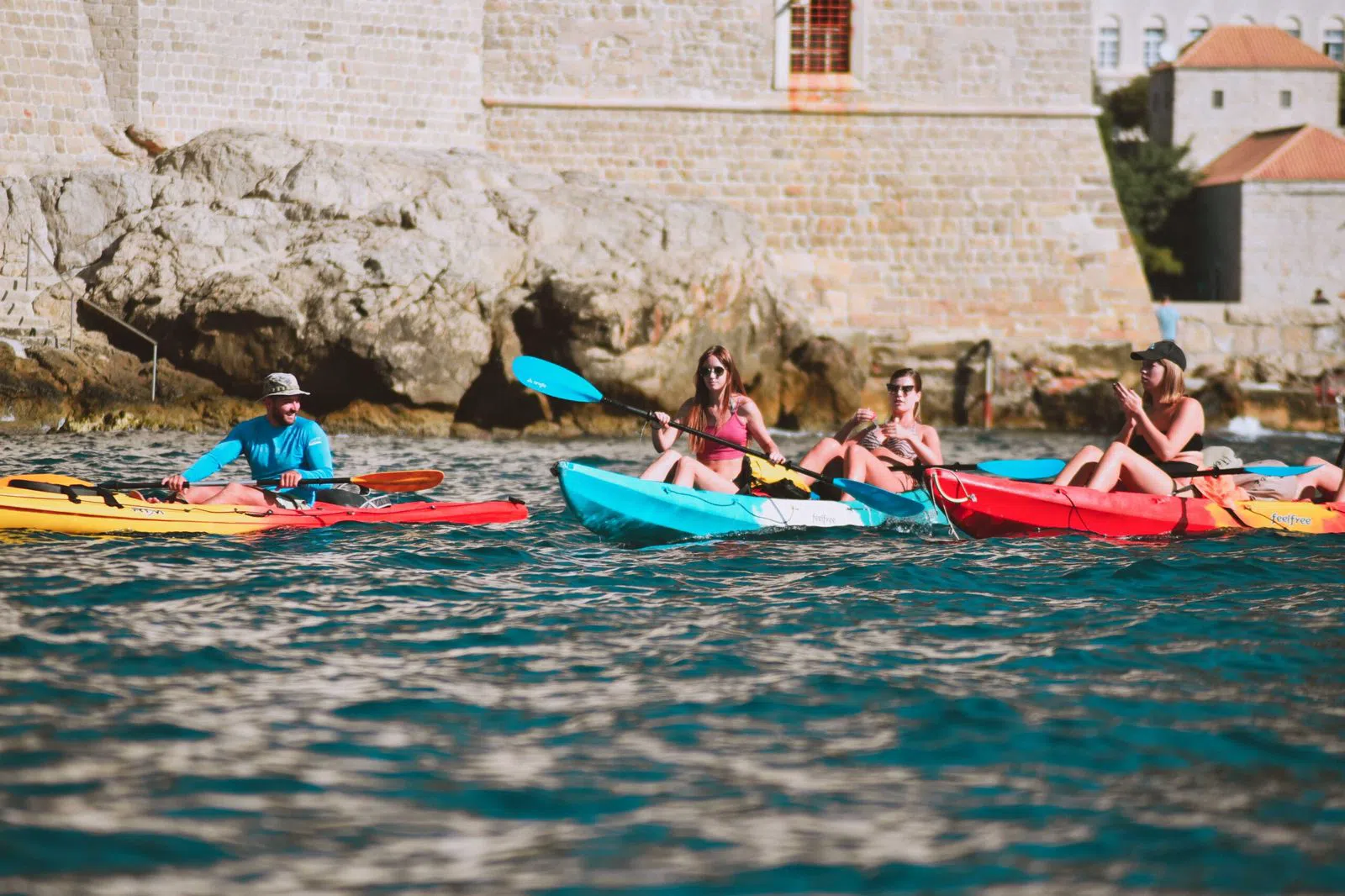
If your group hates the big convoy feeling — and the popular tours can bunch up in high summer — Nota Kayaking (Old Town) is the more personal alternative. It's a boutique operator that's been running seven-plus years on a small-group and private-only ethos, so you're not slotted into a floating crocodile of twenty boats. Standard trips run roughly €45–60, with a pricier Elite tour that adds lunch. It suits couples and smaller friend groups who'd rather have a guide who actually talks to them; it's less the pick if you specifically want the cheap, high-volume rental option, which is where X Adventure earns its keep.
At the ambitious end sits Adriatic Kayak Tours (Gruž), and it's a different proposition entirely — not a two-hour bimble but a proper multi-day island-hopping expedition, paddling between Šipan, Lopud and Koločep past cliffs and sea caves. It explicitly caters to small groups, plus dedicated group, event and corporate programmes, so it works for a crowd that wants a shared project rather than a photo op. Prices start in the several-hundred-euro range for multi-day trips and climb past €1,000 for the week-long island-hopping expeditions. Only book this if everyone's genuinely up for the miles; it rewards fitness and punishes the half-committed.
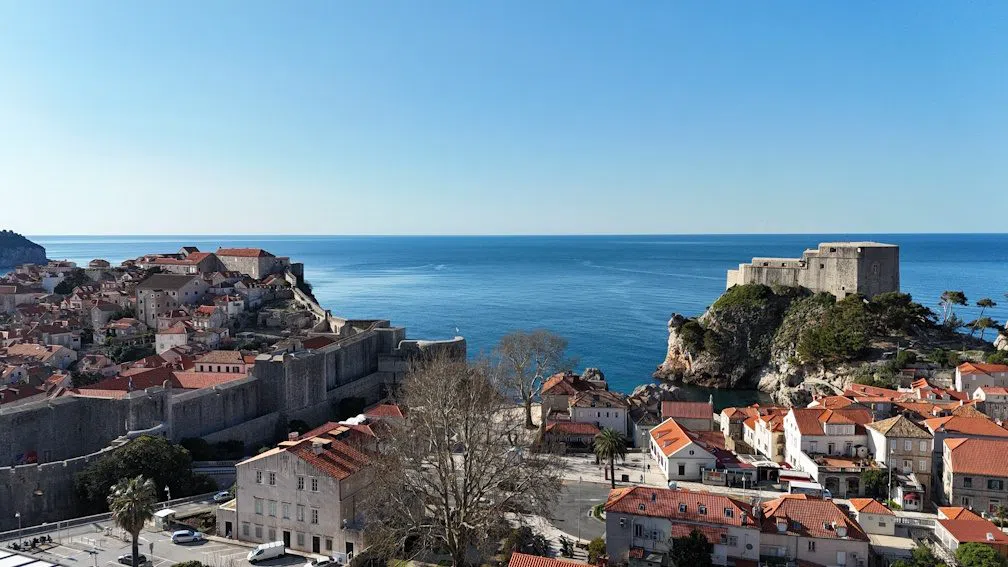
Timing: for any kayak, take the earliest departure of the day. The walls face roughly southwest, the light is cleaner before the midday haze, and — more practically — the afternoon maestral wind builds a chop that makes the return leg a grind. First launch also means you reach the Lokrum swim stop before the day-boat crowds arrive.
Plan your Dubrovnik trip
Live prices from our booking partners.
Free cancellation on many rooms. We may earn a commission when you book.
Islands and caves by boat: speed, wood, or your own charter
When you want distance and caves without the arm-work, the Elaphiti islands and the coastline's grottoes open up by boat — and the three main ways of doing it are genuinely different trips, not the same tour at three prices.
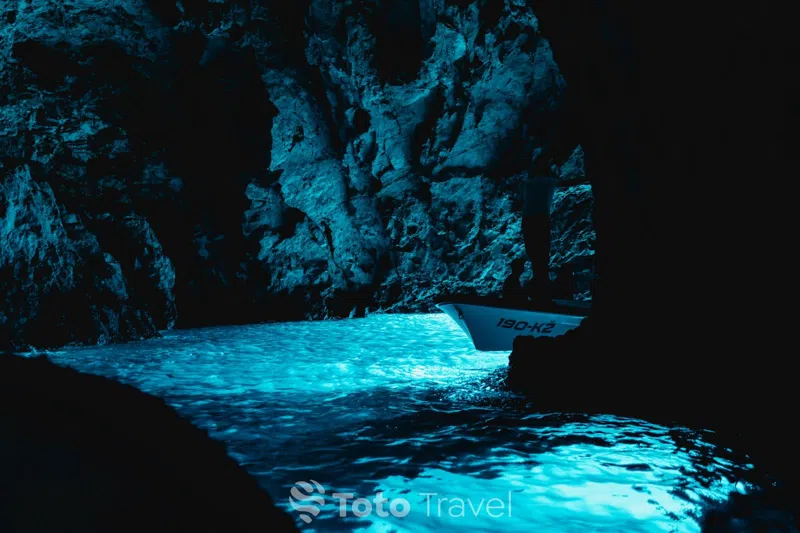
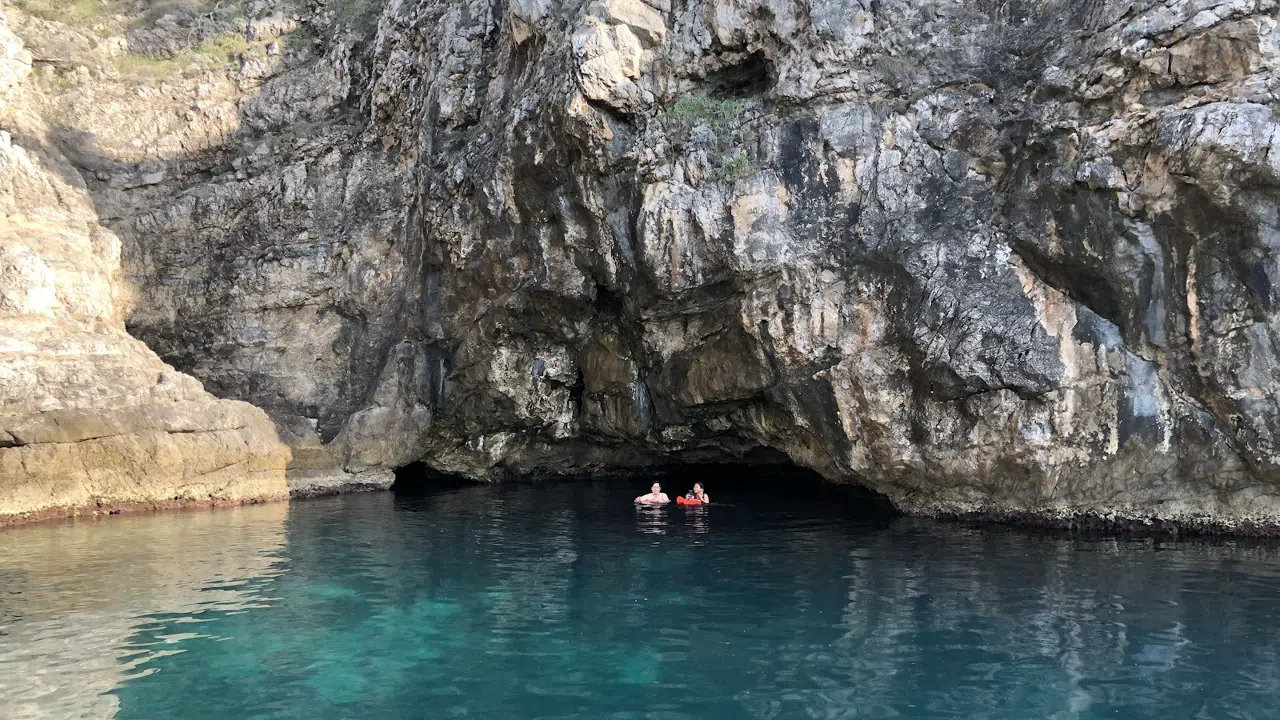
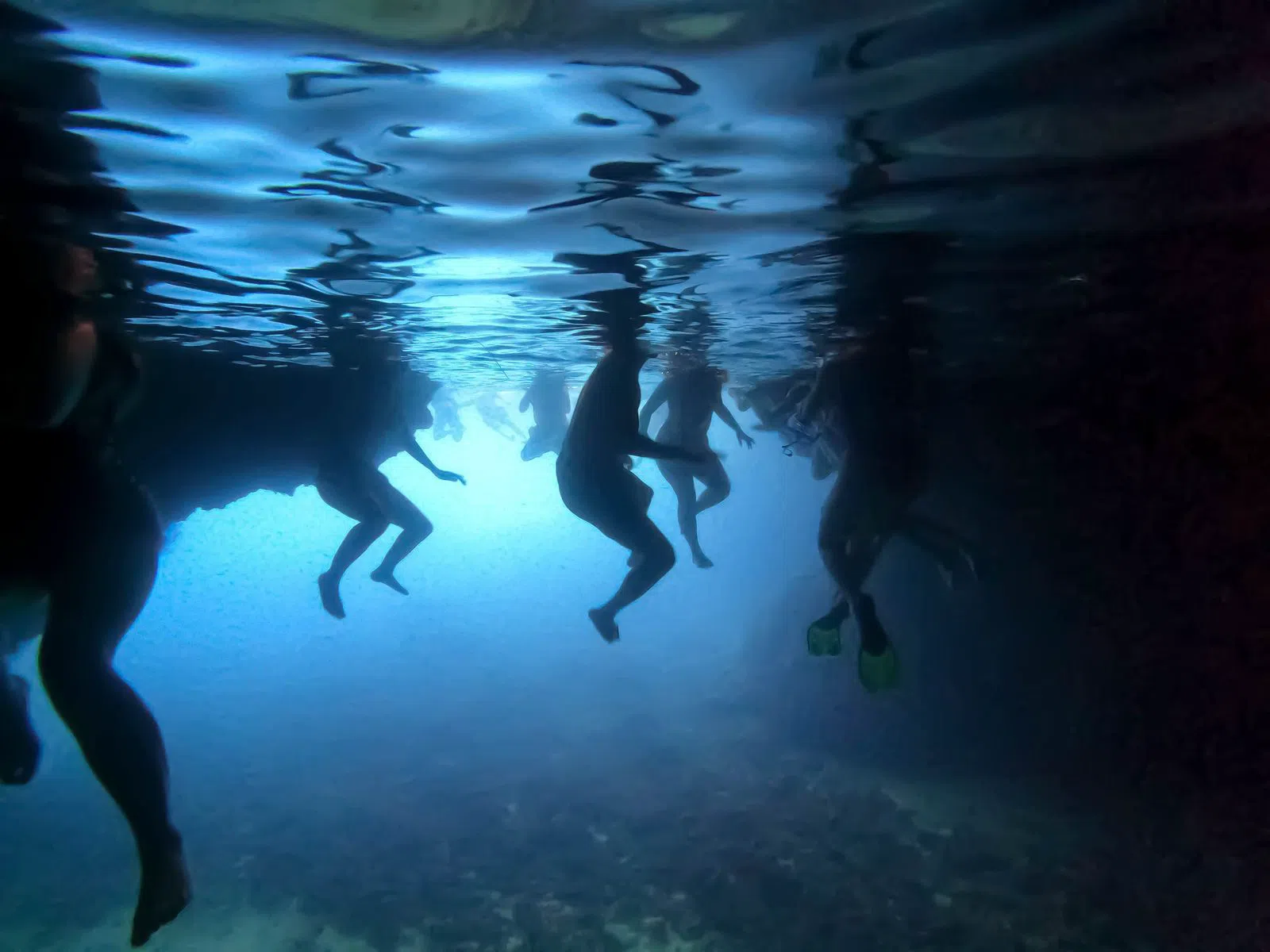
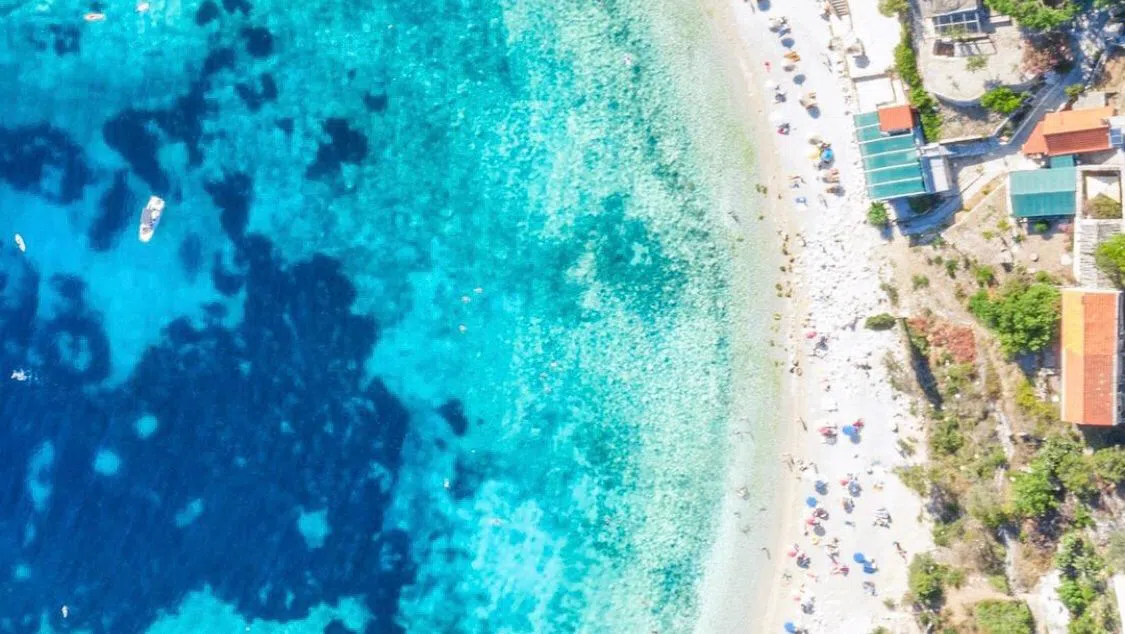
The classic snorkel-and-cave run is Karuzo — Dubrovnik Boat Tours (multiple pickups, Old Town to Cavtat). This is a small-group speedboat doing the greatest-hits underwater circuit: the Blue Cave, the three Green Caves of Koločep, and a stop at Šunj beach on Lopud, one of the few real sand beaches on this coast. Five pickup points — Old Town, Cavtat, Mlini, Srebreno and Hotel Albatros — make it easy to join wherever you're staying. From about €65 per person for four hours, with drinks and snorkel gear included, and the 2026 season is confirmed with promo pricing worth checking before you book direct. It's group-friendly and fast-paced; the trade-off is that a speedboat is a speedboat, so if anyone's after calm, this isn't it.
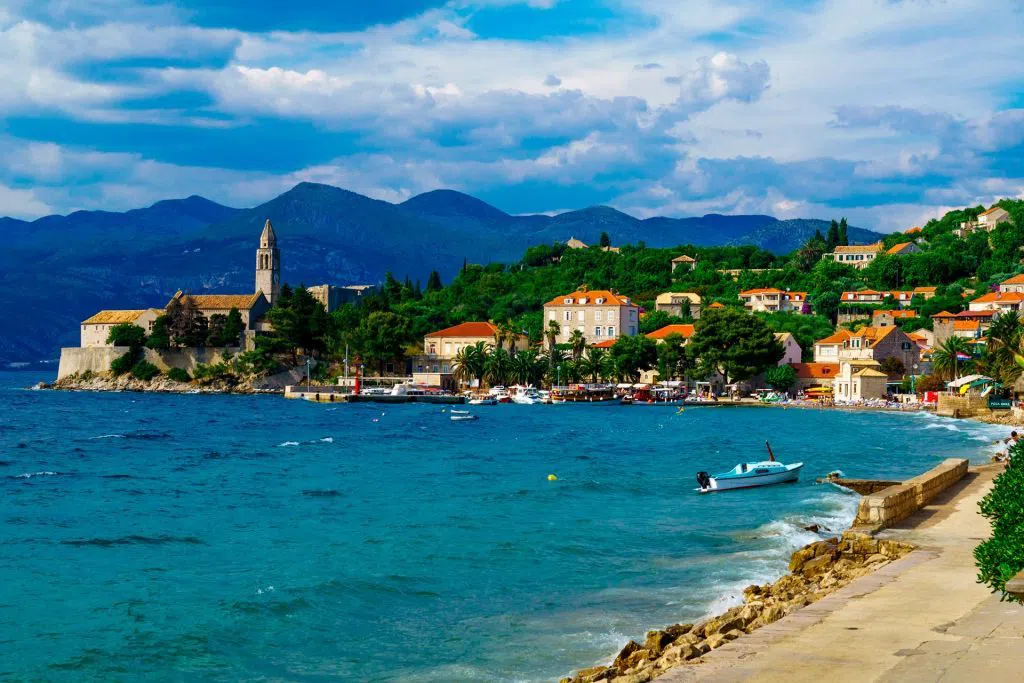
For the opposite temperament, Dubrovnik Day Tours — 3 Island Elaphiti Boat Tour (Gruž harbour) runs the slow, traditional wooden-boat 'fish-picnic' day across Koločep, Lopud and Šipan. It's nine unhurried hours, from around €60 per person including a village-house lunch with meat, seafood and veg options — which quietly makes it the easiest choice for a mixed group where not everyone eats the same things. This is the food-led, unwind counterweight to the adrenaline boats: less cave-chasing, more anchoring in a bay with a glass of something. The three islands themselves were the summer estates of Ragusan sea captains and nobility, car-light and slow-paced to this day, and the wooden boat is the honest way to arrive.
If you're a self-contained group who'd rather not share a deck with strangers, Explore Dubrovnik — Private Elaphiti Speedboat (Gruž) is the private-charter answer: you set the itinerary, chase whichever caves and coves you fancy, and go on your own clock. A medium six-hour day starts from a few hundred euros for the boat, which — split across a family or a group of six to eight — often lands close to the per-head cost of the group tours while buying you total flexibility. It's the right call for a birthday, a small stag or hen, or anyone travelling with kids who need the schedule to bend around nap times and meltdowns.
Under the surface: diving the wrecks and coral walls

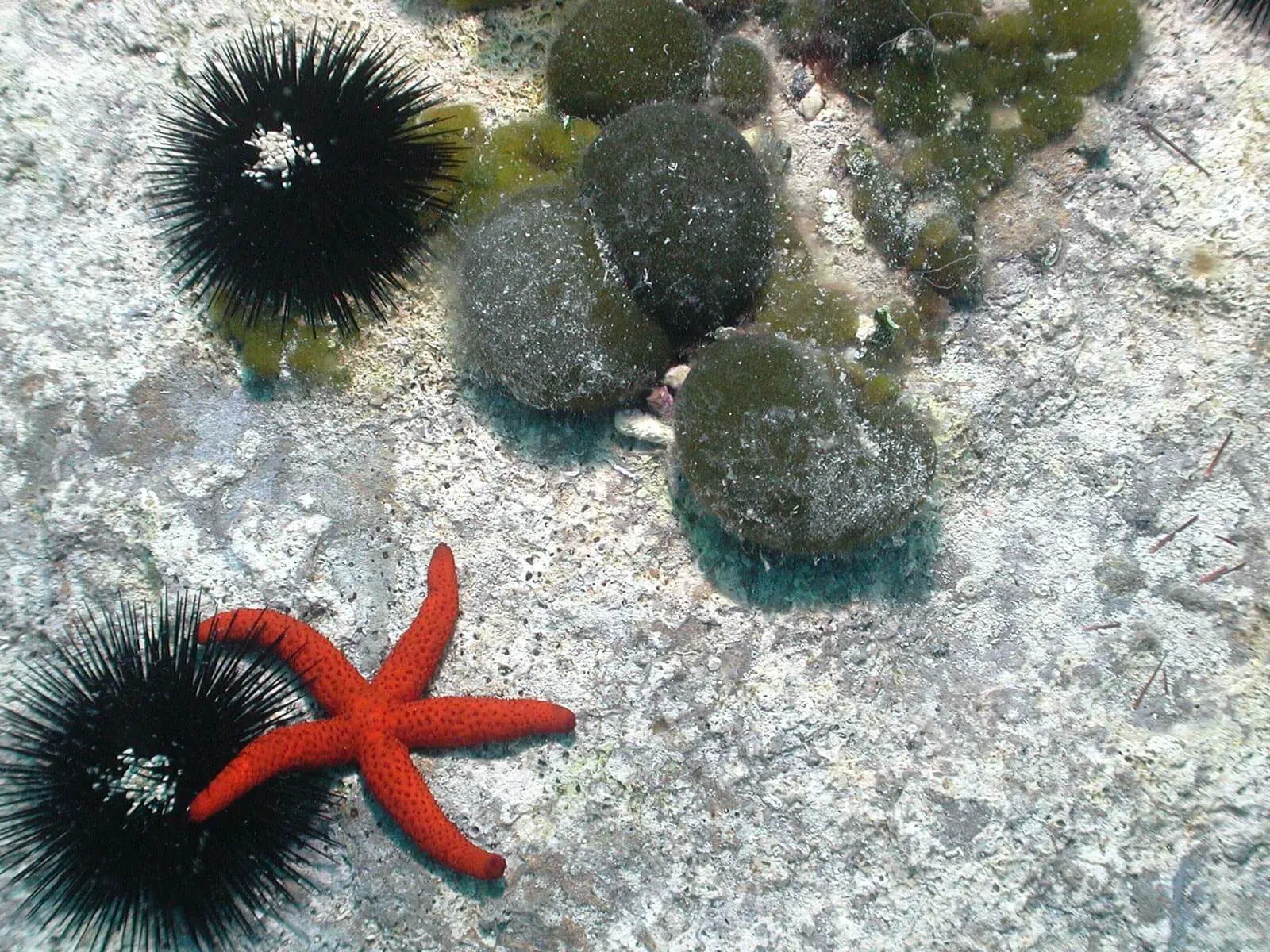
Everything above is on the water; two operators put you under it, and Dubrovnik's diving is better than its reputation. The standout is Blue Planet Diving Center (Babin Kuk), a PADI 5-Star centre that runs the full range from try-dives for absolute beginners to certified fun dives, with the boat leaving from directly in front of the centre. The headline sites are the deep Taranto wreck — an Italian steamer lost in the Second World War, and a serious dive, not a paddling-pool jaunt — and the red-coral walls off Lokrum. That coral is part of the region's history too: precious Adriatic red coral was harvested and traded along this coast for generations. A discover/try dive runs around €90; guided fun dives for the already-certified are roughly €50–60.
If you're staying west of the Old Town, Abyss Diving Center (Lapad) is the solid second base and simply a nearer launch point from that side of the peninsula. It offers courses, try-dives and boat dives, and it's equally comfortable with beginners and groups. Try dives sit around €90, boat dives around €50. There's no wrong choice between the two; pick on which side of town your bed is, because nobody enjoys a cross-city transfer in a wetsuit.
Speed and spray: jet skis and parasailing
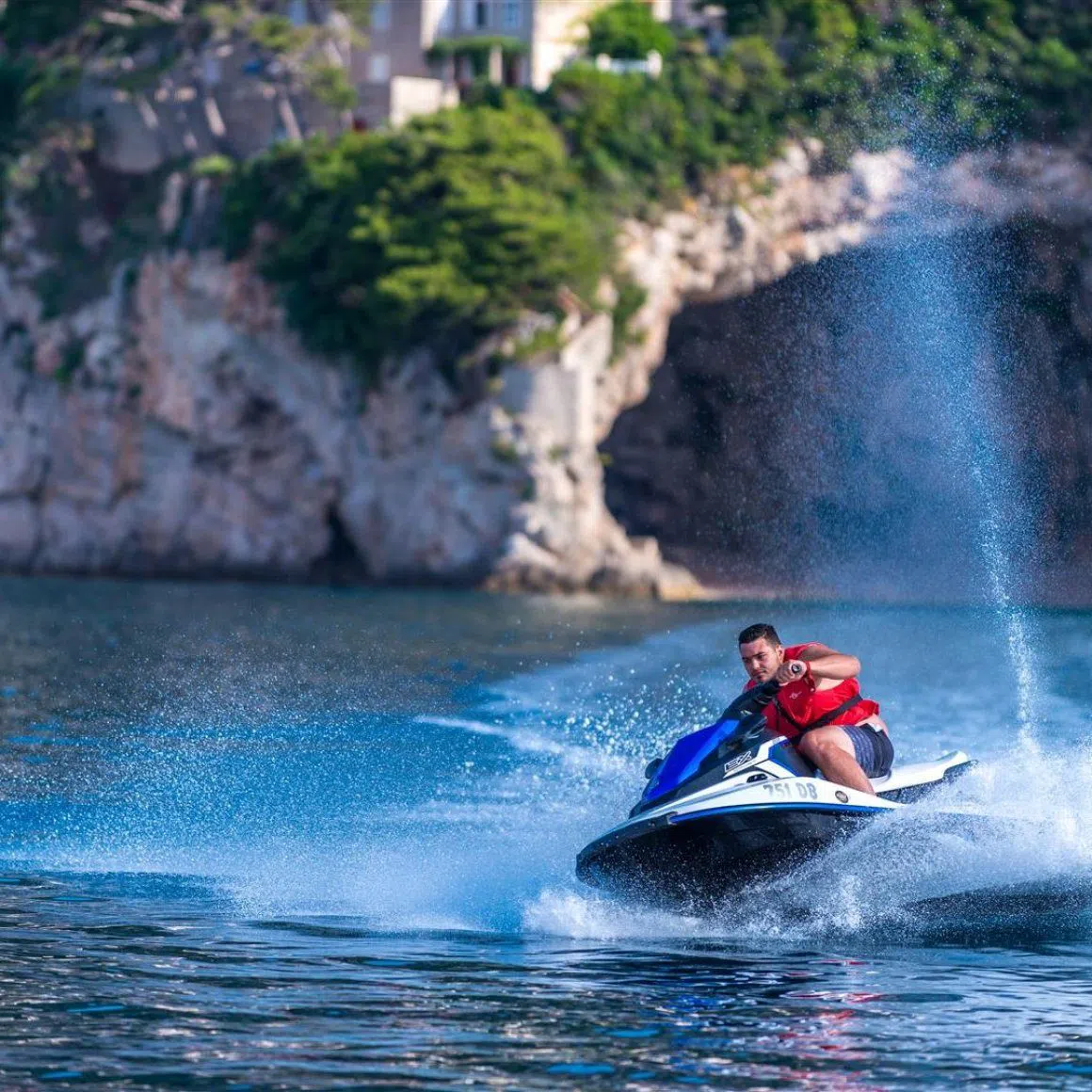
For the group that measures a holiday in noise and grins, two operators deliver the loud stuff. Watersports Dubrovnik (Lapad) runs guided jet-ski safaris and rentals with hotel pickup, heading out toward Lokrum and around the bay — the fastest, loudest way to see the coastline, and a natural inclusion for a stag or a group thrill. Two-up riding is possible, so a nervous partner can sit behind a confident driver. A guided two-hour safari runs roughly €120–150. Be realistic about it: it's a blast and a blunt instrument, not a scenic wander, and you'll see less coastline detail than from a kayak — you'll just see it very fast.
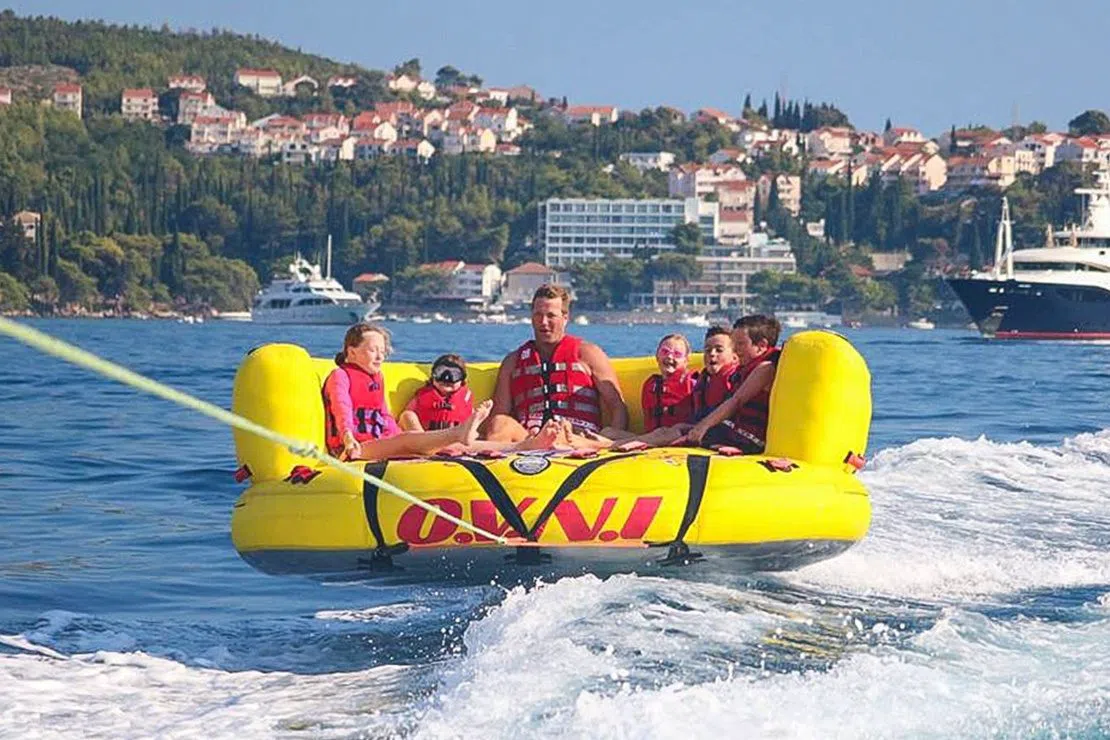
A short hop south in Cavtat — the ancient Epidaurum, a Greek and Roman settlement that actually predates Dubrovnik, and from which refugees are said to have founded Ragusa in the first place — Gabriel Watersports Cavtat (Cavtat seafront) is the all-abilities crowd-pleaser. It's a beach watersports base doing parasailing in tandem or triple harnesses, jet skis, and inflatable tow-tubes, all group-oriented. Parasailing runs about €60–80 per person, with tubes and jet ski extra. The tandem and triple parasail is the genuinely inclusive option here — grandparents and nervous teens included — because you're strapped in and winched up with nothing to steer.
The one sea cave you don't need a paddle for
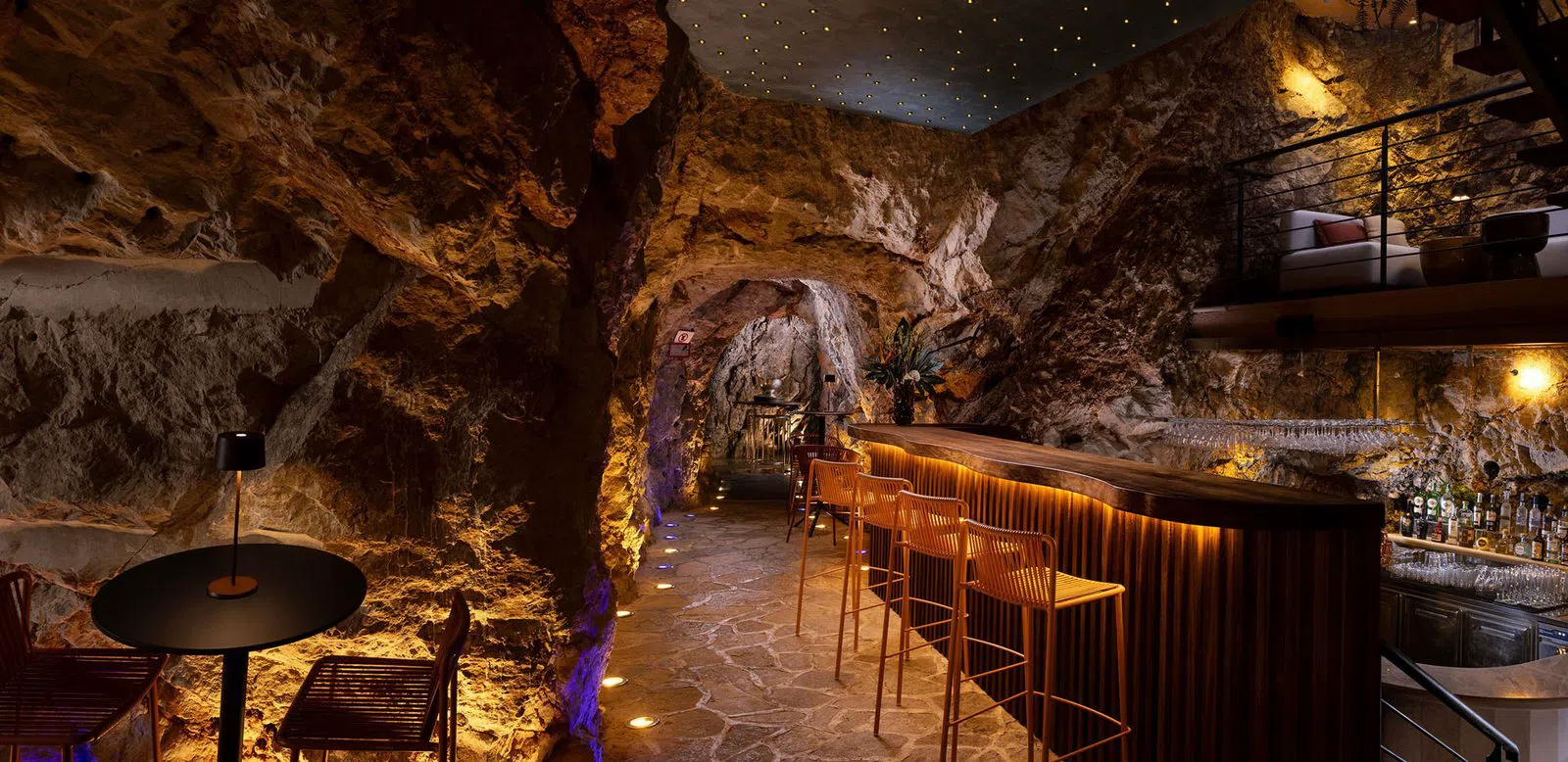
End where the effort stops. Cave Bar More (Babin Kuk) is exactly what it says: a real sea cave you drink in. Swim off the terrace, then step through into an illuminated grotto chamber carved into the rock, cocktail in hand. It's a walk-in, open roughly 8am to midnight, and groups are welcome — but the actual cave chamber is small, so if you want the sunset light hitting the water inside, arrive early and claim your spot rather than rolling up at 9pm with twelve people and expecting a table. Cocktails run about €12–16. It's the soft landing after a hard day on the water, and the only 'sea cave' on this list that asks nothing of you but the price of a drink.
Practicalities: getting there, paying, and timing it right
Where to base yourself. The Old Town is atmospheric but steep, crowded and short on parking; Lapad and Babin Kuk put you nearer the dive centres, the jet-ski base and Cave Bar More, with easier beach access. Weigh it up against your itinerary and start with a Dubrovnik hotel search; for wider planning beyond the water, the Dubrovnik guide covers the rest of the city.
Transport. Most boat tours and kayaks leave from the Old Town harbour, Pile, or Gruž (the main ferry port, west of the centre); several operators offer hotel or multi-point pickup, which is worth taking to skip the parking problem entirely. Cavtat is a short bus or water-taxi hop south. If you're driving, don't try to park near the walls — you'll lose an hour and your temper.
Cash and booking. Croatia is on the euro as of 2026, so no more kuna arithmetic. Card is widely accepted, but carry some cash for a beach jet-ski deposit, a tip, or a drink at a cave bar where the card machine has 'gone for a swim'. Book kayaking, diving and the popular speedboat tours a day or two ahead in peak season (July–August); shoulder months (May–June, September) are quieter, cheaper and, frankly, more pleasant on the water.
Timing, always. Go early. First departures beat both the crowds and the afternoon maestral wind, the light is better for the walls, and the swim and snorkel stops are yours before the fleet arrives. Save the loud, fast stuff and the cave bar for the afternoon, when being early no longer matters.
Budget, honestly. A guided kayak or a group speedboat runs €45–65 per person; a full wooden-boat island day around €60; a try dive about €90; a jet-ski safari €120–150; parasailing €60–80. A private speedboat charter from a few hundred euros can undercut the per-head group price once you split it across six or eight — do the maths before you assume private means expensive.
Before you go
Is sea kayaking in Dubrovnik suitable for complete beginners?
Yes. X Adventure Sea Kayaking runs beginner-friendly guided tours (capped at 12 paddlers) with a full safety briefing first, and it happily takes friend groups and stag/hen parties. Nota Kayaking is the better pick if you want a smaller, more personal group. Take the earliest departure to beat both the crowds and the afternoon wind.
What's the difference between the speedboat and wooden-boat island tours?
Karuzo's small-group speedboat is fast and cave-focused — Blue Cave, the Green Caves of Koločep and Šunj beach on Lopud, from about €65pp for four hours with drinks and snorkel gear. Dubrovnik Day Tours' 3 Island Elaphiti trip is the slow wooden-boat alternative: nine relaxed hours across Koločep, Lopud and Šipan with a village-house lunch, from around €60pp. Speedboat for adrenaline, wooden boat for food and calm.
Can I dive in Dubrovnik without a certification?
Yes. Blue Planet Diving Center (a PADI 5-Star centre) and Abyss Diving Center both run try/discover dives for beginners at around €90, alongside guided fun dives (~€50–60) for certified divers. Highlights include the deep Taranto wreck and Lokrum's red-coral walls. Choose the centre nearest your accommodation — Blue Planet on the Babin Kuk side, Abyss in Lapad.
Is a private speedboat charter worth it over a group tour?
Often, yes. Explore Dubrovnik's private Elaphiti speedboat starts from a few hundred euros for a six-hour day, and split across a group of six to eight it can land close to the per-person group price — while letting you set your own itinerary and timing. It's ideal for families with young children or a self-contained group who'd rather not share a deck.
When is the best time of day and year to be on the water in Dubrovnik?
Always take the first departure of the day: the light on the walls is cleaner, the swim and snorkel stops are empty, and you avoid the afternoon maestral wind that builds a tiring chop. For the season, May–June and September are quieter and cheaper than the July–August peak, when you should book kayaking, diving and popular boat tours a day or two ahead.