
Dubrovnik
The first thing that strikes you about Dubrovnik is the glare.
Guests & rooms
The Dubrovnik guide
An insider’s read on Dubrovnik
TThe first thing that strikes you about Dubrovnik is the glare.
For centuries, Dubrovnik operated as the Republic of Ragusa, a sophisticated maritime state that rivaled Venice. Its diplomats used gold and negotiation rather than armies to maintain independence from the Ottoman and Venetian empires. This legacy of shrewd pragmatism is baked into the very stones of the city. The massive walls were built not just for defense, but to protect a highly organized society that established one of the world's first quarantine systems and abolished slavery in 1416. Today, that fierce independence has shifted into a pride of preservation, surviving both the devastating 1667 earthquake and the intense shelling of the 1991-1992 siege.

PLATE IDubrovnik, Croatia

Guides & ideas
The Dubrovnik reading list
Hand-written guides from our editors — itineraries, the best of after dark, where to eat, and what’s genuinely worth your time.
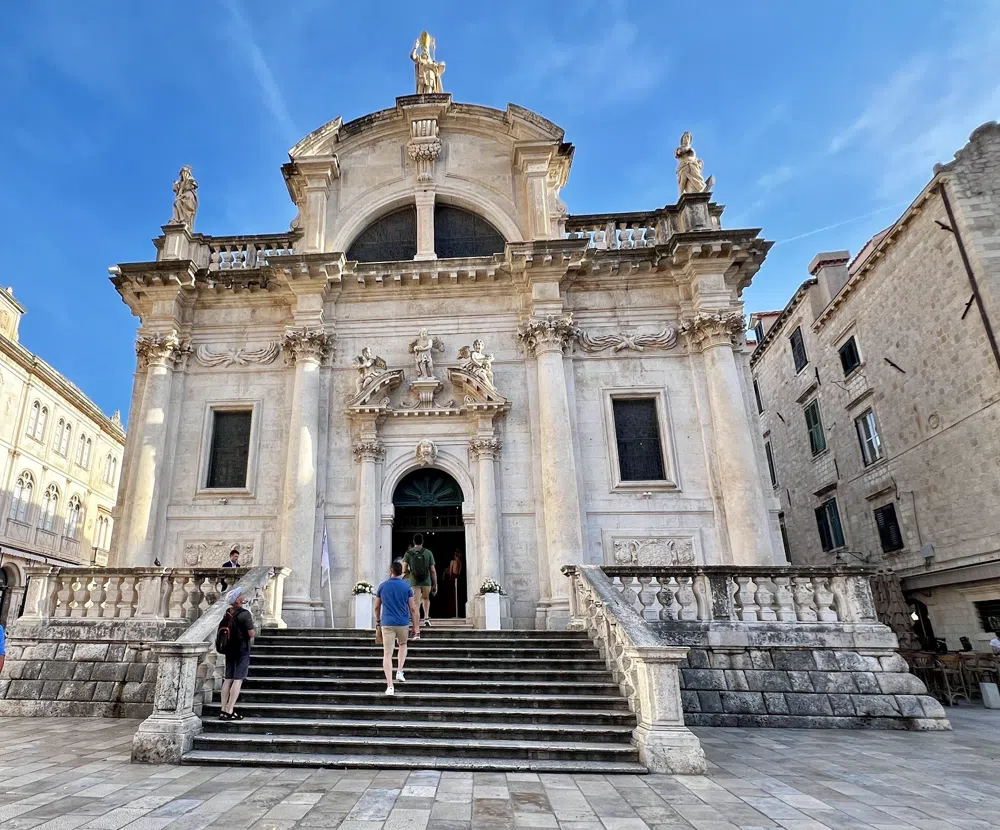
Three February Days When Dubrovnik Belongs to Saint Blaise
Banner-raising, doves, muskets and relics: how to spend the Festa of Sveti Vlaho on 2 and 3 February 2026, and what to see in the quiet days around it.
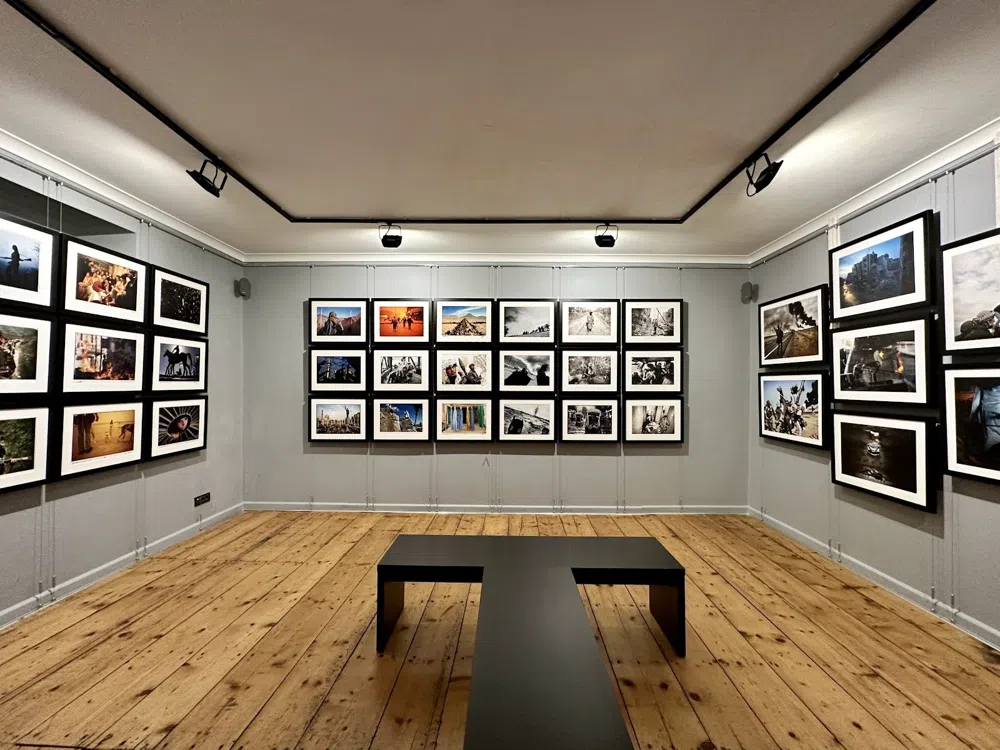
How Dubrovnik Rebuilt Itself After the 1991-92 Siege
A walk through where the shells actually landed, who still remembers, and what the city chose to do with the ruins.
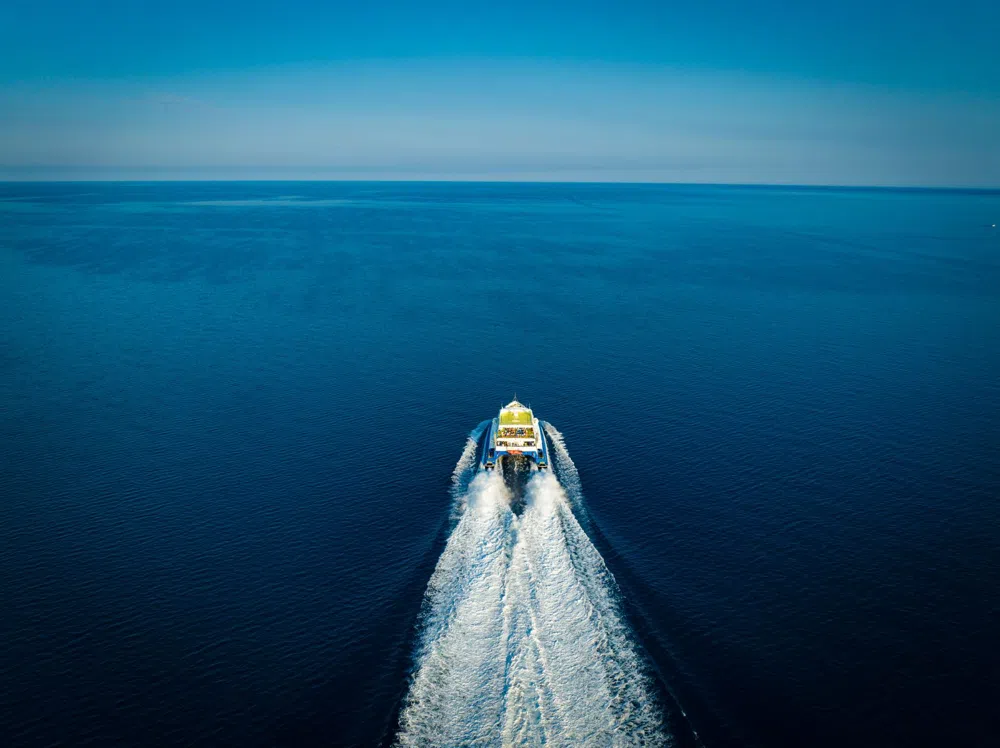
The Last Ship Out: A Day Trip from Dubrovnik to Kotor and the Montenegrin Coast, by Ferry
A seasonal cross-border sea crossing turns Dubrovnik's most overrated land excursion into a genuine day out — three hours of open Adriatic into the Bay of Kotor, with the sailing days, door realities and cash-only traps you need before you book.
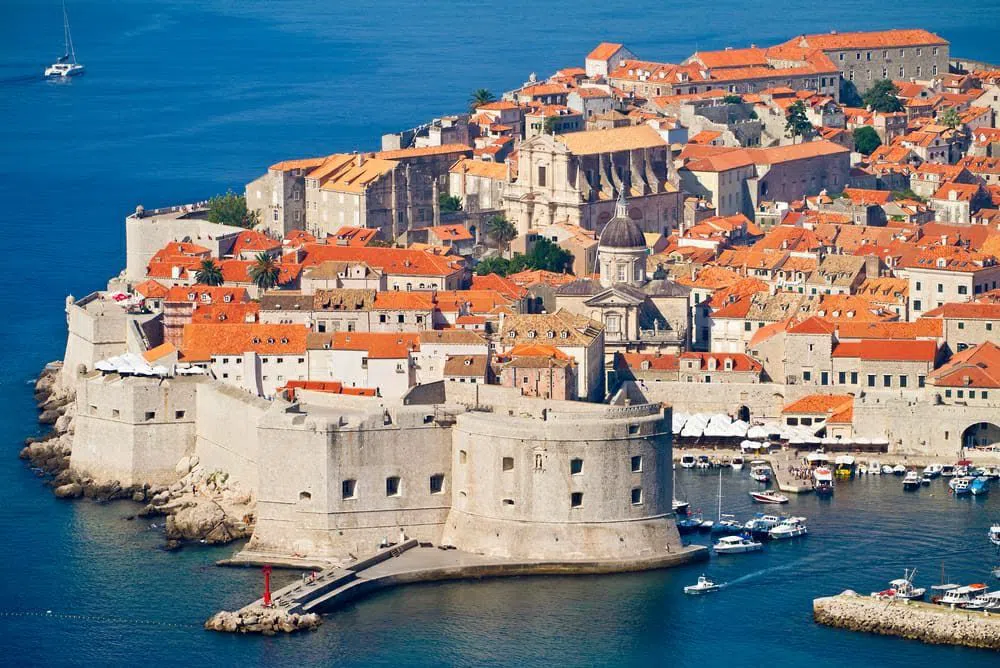
Written in Stone: How Dubrovnik's Walls Hold 500 Years of Survival
A calm, honest walk around the medieval curtain wall that outlasted empires and a modern siege — with the real history under the Game of Thrones gloss, and the exact hours to beat the cruise crush.
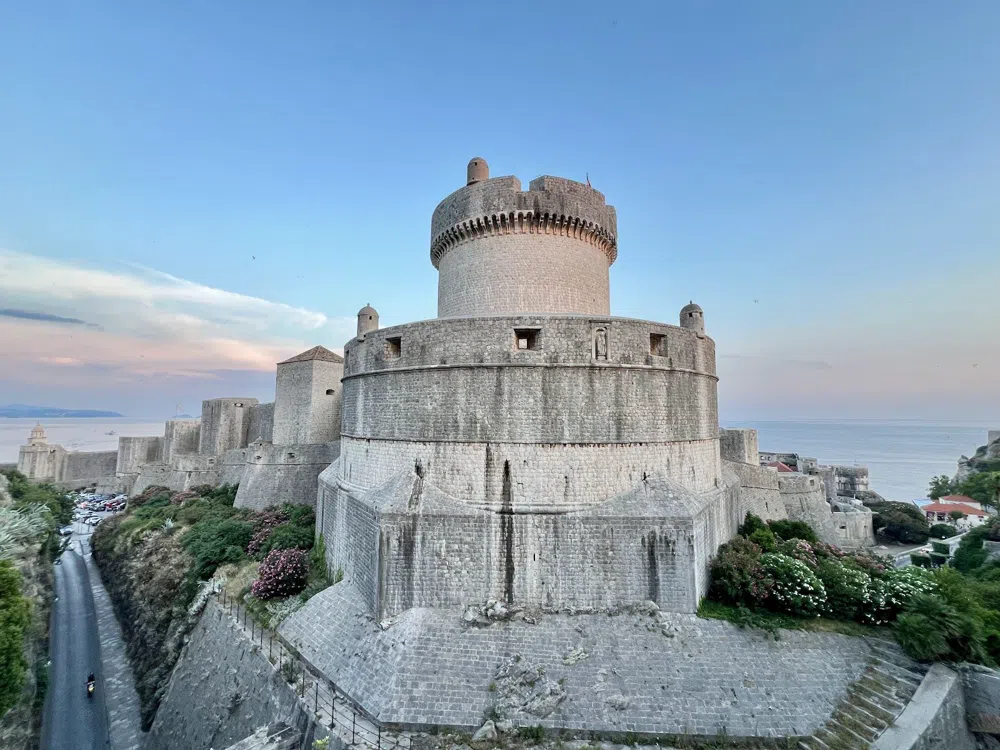
King's Landing, For Real: Dubrovnik's Game of Thrones Geography
A calm, well-sourced walk through the exact Dubrovnik stones that played King's Landing — with the Ragusan history the tour guides skip, and the hours that keep the cruise crowds out of your photos.
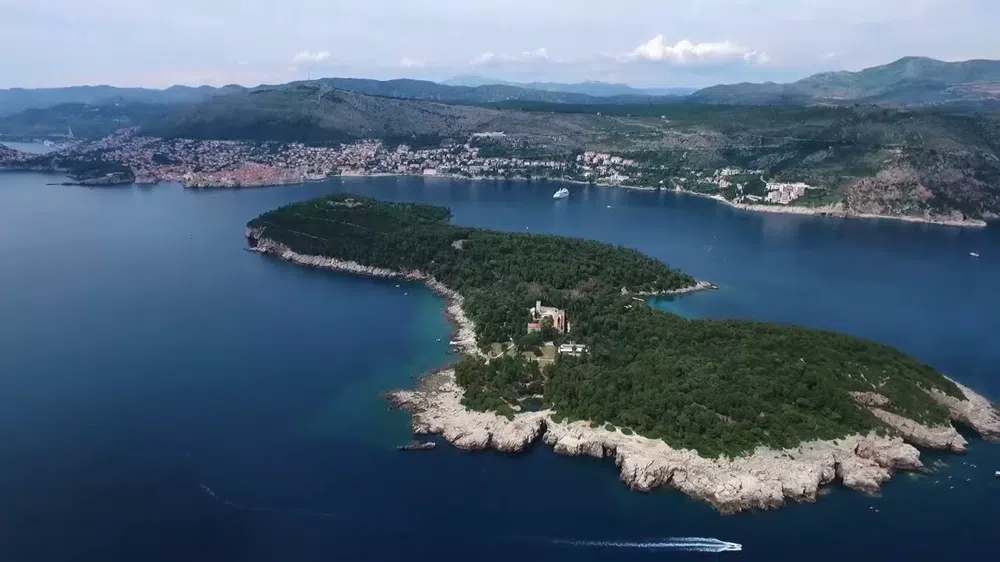
Lokrum: The Green Island Fifteen Minutes from Dubrovnik's Walls
A calm, practical guide to Dubrovnik's forest island — the monastery, the peacocks, the safest swim, the best view, and how to do it all on one ferry ticket in 2026.
Where to base yourself
The neighborhoods
01
Old Town (Stari Grad)
For History enthusiasts and first-time visitors who want to be steps from the main sights. The trade-off is constant crowds, high prices, and endless stone stairs to carry luggage up.
A pedestrian-only medieval fortress enclosed by massive stone walls, filled with baroque churches, monasteries, and limestone-paved alleys.
Where to stay — Boutique apartments and historic guesthouses set inside centuries-old stone buildings.
02
Ploče
For Luxury travelers seeking high-end hotels and sea views. The trade-off is a steep uphill walk back from the Old Town and premium prices.
An upscale residential area just east of the Old Town, climbing up the cliffs to offer dramatic views of the harbor and Lokrum Island.
Where to stay — Five-star cliffside hotels and luxury villas with private beach access.
03
Lapad
For Families and travelers looking for a relaxed beach vibe away from the stone walls. The trade-off is a 15-minute bus ride to reach the historic center.
A green, family-friendly peninsula west of the Old Town, featuring a long pedestrian promenade, parks, and gravel beaches.
Where to stay — Mid-range resorts, family hotels, and modern rental apartments.
04
Babin Kuk
For Travelers seeking a quiet resort holiday with pool access and sea views. The trade-off is a lack of local character and isolation from the historic center.
A quiet, modern resort enclave at the northern tip of the Lapad peninsula, surrounded by pine trees and rocky beaches.
Where to stay — Large, self-contained resort hotels with extensive spa and dining facilities.
05
Gruž
For Budget travelers, foodies, and those planning frequent island-hopping day trips. The trade-off is a more industrial aesthetic rather than medieval charm.
The city's working port and transport hub, featuring a lively morning market, industrial-chic venues, and ferry docks.
Where to stay — Budget-friendly hostels, modern guesthouses, and harbor-view apartments.
06
Pile
For Short-stay travelers who want instant access to both transit and the Old Town. The trade-off is constant traffic noise and crowds at the bus terminal.
The bustling transit hub located just outside the western gates of the Old Town, set around a small, historic cove.
Where to stay — Traditional guesthouses and mid-range hotels near the waterfront.
Book direct
Book a hotel in Dubrovnik
Loading live availability and real-time prices…
Where to eat
Dining
Proto
€€€€Old Town
Established in 1886, this elegant restaurant serves refined seafood on a quiet rooftop terrace, utilizing traditional recipes favored by former royalty.
Signature — Fish baked in a salt crust
Kamenice
€€Old Town
A casual, no-nonsense institution on Gundulić Square known for its blue plastic chairs and fast service of local shellfish.
Signature — Fresh Ston oysters and black risotto
Orsan
€€€Lapad
Situated right on the water at the local yacht club, this restaurant offers a peaceful dining experience under the shade of pine trees, far from the tourist crowds.
Signature — Grilled sea bream with Swiss chard
Taj Mahal
€€€Old Town
Despite the name, this cozy spot serves authentic Bosnian cuisine, focusing on rich, savory meat dishes and traditional pies.
Signature — Veal ćevapi served in somun bread
Lady Pi-Pi
€€€Old Town
Perched at the top of the Old Town near the northern walls, this open-air terrace features a large stone grill where meats are cooked over open flames.
Signature — Mixed meat grill platter
Konavoski Dvori
€€€Konavle Valley
Located in a historic mill by the Ljuta River outside the city, this restaurant specializes in traditional slow-cooked meats under an iron bell.
Signature — Veal cooked under the peka
Konoba Kopun
€€€Old Town
Set on a quiet square in front of the Jesuit Church, this tavern revives historical Croatian recipes that are rarely found elsewhere.
Signature — Capon (castrated rooster) in a wild mushroom and honey sauce
Lucin Kantun
€€€Old Town
An intimate, kitchen-centric space where guests can watch chefs prepare modern interpretations of classic Dalmatian tapas.
Signature — Grilled octopus salad with local olive oil
Konoba Dubrava
€€€Bosanka (Mount Srđ)
A rustic mountain tavern offering a traditional dining experience with open-fire cooking, away from the coastal heat.
Signature — Slow-cooked octopus under the peka
Restaurant 360
€€€€Old Town
This Michelin-starred restaurant is situated along the curved stone ramparts of the city walls, offering exceptional views and highly technical tasting menus.
Signature — Local sea bass with fennel and citrus
Nautika
€€€€Pile
Overlooking the sea and the fortresses of Lovrijenac and Bokar, this historic venue offers classic white-glove service and refined seafood.
Signature — Lobster from the island of Vis with local honey
Vapor
€€€€Lapad
Located inside Hotel Bellevue, this cliffside restaurant offers a quiet, contemporary space focused on clean, modern Mediterranean flavors.
Signature — Five-course seafood degustation menu
Preša
€Old Town
A tiny, efficient sandwich shop tucked down a narrow alley, serving freshly grilled meats and hot sandwiches to go.
Signature — Preša burger with local kajmak cheese
Barba
€€Old Town
An innovative seafood street-food concept that offers quick, creative alternatives to traditional sit-down fish restaurants.
Signature — Octopus burger with fig sauce
Pizzeria Castro
€€Old Town
Located near the Jesuit Steps, this popular spot serves thin-crust pizzas made with high-quality local ingredients.
Signature — Pizza Bianca with Dalmatian prosciutto and wild rocket
Urban & Veggie
€€Gruž
A plant-based bistro located near the port, featuring a peaceful garden terrace and a menu focused on local, organic ingredients.
Signature — Vegan burger with sweet potato fries
Biomania
€€Old Town
A fast-casual organic bistro offering healthy, plant-based bowls and wraps designed for a quick lunch.
Signature — Organic quinoa and roasted vegetable bowl
After dark
Nightlife
Revelin Culture Club
Old Town
Set inside a 15th-century stone fortress, this club hosts international DJs and features a unique contrast between medieval architecture and modern sound systems.
Lazareti
Ploče
Housed in a former quarantine barracks, this creative hub hosts alternative music nights, live bands, and underground electronic events.
Elyx Night Club
Babin Kuk
A modern clubbing venue located near the resort district, offering a spacious dance floor and themed summer parties.
Buža Bar
Old Town
Accessed through a small hole in the city walls, this legendary bar sits on the rocks directly above the sea, offering sunset views.
Cave Bar More
Lapad
Located inside a natural cave beneath Hotel More, this bar features illuminated rock formations and an outdoor seaside path.
The Bar at Hotel Excelsior
Ploče
An elegant terrace bar offering unobstructed views of the Old Town walls and the island of Lokrum.
Troubadour Jazz Cafe
Old Town
An iconic outdoor cafe located near the cathedral, hosting live jazz and acoustic performances on its street terrace.
D'Vino Wine Bar
Old Town
A cozy, narrow wine bar that occasionally hosts acoustic musicians alongside its extensive list of Croatian wines.
Hard Rock Cafe
Old Town
Housed in a beautifully restored 19th-century monastery, this venue features a spacious courtyard hosting regular rock performances.
Art & history
Culture
Rector's Palace (Cultural History Museum)
Old Town
The former seat of the Ragusa Republic's government, this Gothic-Renaissance palace houses historical artifacts, furniture, and the city's old dungeons.
Maritime Museum
Old Town
Located inside St. John's Fortress, this museum showcases the city's history as a major maritime trading power with model ships, navigation instruments, and flags.
Red History Museum
Gruž
An interactive, highly engaging museum that explores daily life in Croatia during the communist Yugoslav era.
City Walls
Old Town
The definitive 2-kilometer stone fortification walk that encircles the entire Old Town, offering views of the Adriatic and terracotta rooftops.
Fort Lovrijenac
Pile
A detached fortress perched on a 37-meter cliff outside the walls, built to protect the city's western entrance and now used as a dramatic theater stage.
Franciscan Monastery
Old Town
Features a late-Gothic cloister and houses one of the world's oldest continuously functioning pharmacies, operating since 1317.
Museum of Modern Art Dubrovnik (MOMAD)
Ploče
Housed in a grand, multi-story villa, this gallery showcases modern and contemporary Croatian art alongside a sculpture garden overlooking the sea.
War Photo Limited
Old Town
A powerful, sobering gallery dedicated to world-class photojournalism, with a permanent exhibition focusing on the breakup of Yugoslavia.
Dulčić Masle Pulitika Gallery
Old Town
An intimate gallery space dedicated to the works of three of Dubrovnik's most influential 20th-century colorist painters.
Book ahead
Top-rated experiences in Dubrovnik

Full-Day Private Boat Tour of Elafiti Island from Dubrovnik
from $583

Private Boat Tour to the Elafiti Islands with Atlantic Marine
from $613

Dubrovnik Private Full Day Island Hopping Tour Elaphiti Islands
from $589

Private Speedboat Tour: Caves Beaches Islands and more
from $202

Speedboat Atlantic Marine 750, 4 or 8 hours
from $833

Private Boat Tour from Dubrovnik to Elaphiti Islands
from $512

Explore Blue & Green Caves With Speedboat - Private Tour
from $417

Half-Day Best Beaches & Bays Private Speed Boat Tour
from $333
Prices from Viator; we may earn a commission when you book — at no extra cost to you. Tours are sold and operated by Viator, the merchant of record. Ratings are collected by Viator and Tripadvisor.
Timing
When to visit
Spring
April and May bring mild temperatures and blooming wildflowers. The sea is still brisk, but the Old Town streets are quiet enough to appreciate without the summer crowds.
Summer
June to August is hot, crowded, and expensive. The Dubrovnik Summer Festival brings world-class theater and music to open-air venues, but you will share the streets with thousands of cruise passengers.
Autumn
September and October offer the ideal balance. The Adriatic remains warm enough for swimming, the summer heat softens, and the crowd sizes drop significantly.
Winter
November to March is quiet. Many restaurants and hotels close for the season, but you get the city entirely to yourself, alongside the local winter festival in December.
What it costs
Budgeting
Logistics
Getting around
From the airport
Dubrovnik Airport (Čilipi) is located 20 kilometers south of the city. The Libertas shuttle bus runs in connection with arriving flights, dropping passengers at Pile Gate or the Gruž ferry port. Taxis and ride-sharing services like Uber are widely available and offer a more direct route to cliffside hotels.
Public transit
The local Libertas bus network is efficient, clean, and covers all areas outside the pedestrian-only Old Town. Buses run frequently from early morning until midnight, connecting the port of Gruž and the Lapad peninsula to the Pile Gate terminal.
Passes & tickets
The Dubrovnik Pass is highly recommended. It includes entry to the City Walls, several museums, and free public transit. It is available in 1-day, 3-day, or 7-day options (ranging from €€ to €€€), paying for itself if you plan to walk the walls and visit at least two museums.
On foot
The Old Town is entirely pedestrian-only, making it highly walkable but physically demanding. The northern and southern sections of the town consist of steep, narrow stone staircases that require good knees and grippy shoes.
Travel smart
Safety & etiquette
Local etiquette
- •Do not walk through the Old Town shirtless or in swimwear; the city enforces strict dress codes with fines.
- •Do not drag wheeled suitcases through the Old Town; the noise disturbs residents, and the city requests that visitors carry their luggage over the stone streets.
- •When walking on the narrow city walls, always follow the designated counter-clockwise flow of traffic.
From the ground
Practical tips
1
Buy your City Walls or Dubrovnik Pass online in advance to skip the ticket queue at the Pile Gate entrance.
2
Visit the City Walls at 8:00 AM sharp when they open to beat both the midday heat and the cruise ship tour groups.
3
Stock up on snacks and water at Konzum or Pemo supermarkets outside the Old Town walls, as prices double inside the gates.
4
If traveling to Montenegro or Bosnia on a day trip, ensure your rental car agreement includes a cross-border card and prepare for long border queues in summer.
5
Use Uber rather than standard street taxis, as rates are more transparent and significantly lower during peak hours.
6
Carry some cash (Euros) for small purchases, as some smaller bakeries and taxi boats do not accept credit cards.
Dubrovnik FAQs
Is the Dubrovnik Pass worth buying?
Yes, if you plan to walk the City Walls and visit at least two museums, the pass pays for itself immediately and includes free public transit.
How do I avoid the cruise ship crowds?
Check the Port Authority website for daily schedules, and plan to explore the Old Town early in the morning or after 4:00 PM when passengers return to their ships.
Can you swim in the Old Town?
Yes, you can jump directly into the sea from the rocks at the Buža bars or use the small metal ladders installed on the outer harbor walls.
How many days do I need in Dubrovnik?
Three days is the ideal duration to explore the Old Town, walk the walls, take a day trip to Lokrum Island, and enjoy a sunset from Mount Srđ.
Is tap water safe to drink?
Yes, Dubrovnik's tap water is exceptionally clean, safe, and sourced directly from the natural springs of the Ombla River.