The Dubrovnik issue
Trsteno Arboretum in November, Dubrovnik's quietest garden
The oldest Renaissance garden on the Dubrovnik coast is at its best in low season. The bus out is easy, and if you get the hour right you will have Neptune's fountain to yourself.

By Daniel OkaforThe city beyond the cruise-ship crowds

In November the arboretum at Trsteno is open 08:00 to 16:00, every day. Entry is €10 at the gate, €7 for children and students. A garden in low season sounds like a thin plan. But the bus out is €2.70 one way, and the crowd that packs the fountain terrace in summer is not there.
What you see at Trsteno
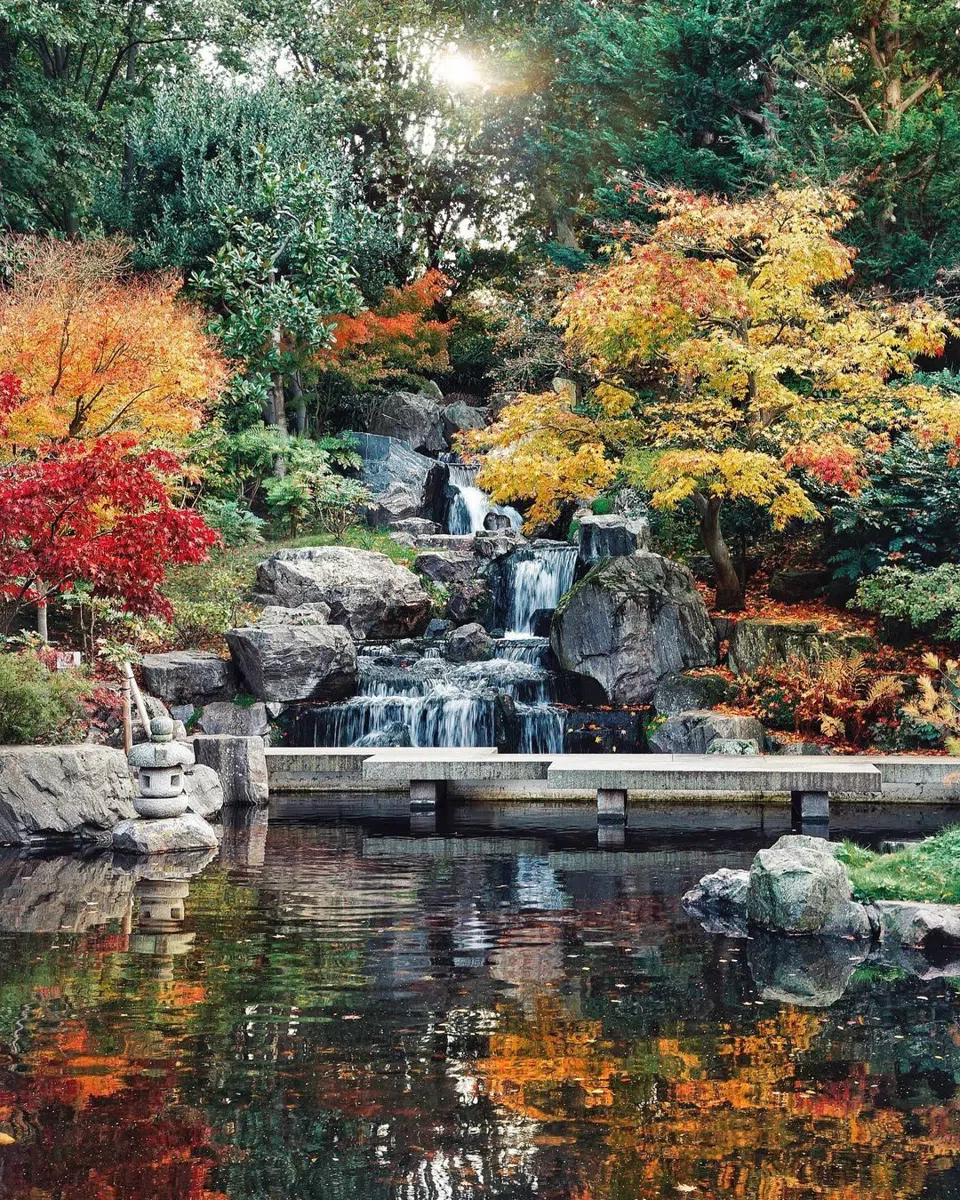
Arboretum Trsteno is the oldest Renaissance garden still standing on this coast, its terraces stepping down towards the water. A marked route takes you round, so you do not need a guide. It starts at a pavilion with a wide view over the Adriatic and the Elaphiti islands.

From there you reach the Gučetić-Gozze summer villa, rebuilt after the 1667 earthquake and now a museum of a Dubrovnik country estate. Further on are the 16th-century chapel of St Jerome, the old olive grove and a run of huge old trees beside the aqueduct. The youngest part of the garden is a neo-romantic planting begun in 1905. At the olive mill you can see the tools that pressed the oil here in the 18th and 19th centuries.
Give it an hour, or an hour and a half if you stop to read things. The paths are mostly shaded and the gradients are kind, but the surface is gravel and there are stairs between the terraces. That makes it hard work with a pushchair, and it is not a visit for anyone who needs step-free paths throughout. The villa's renovation is still at the paperwork stage, so do not turn up expecting a finished house.
Plan your Dubrovnik trip
Live prices from our booking partners.
Free cancellation on many rooms. We may earn a commission when you book.
Neptune's fountain and the history under it
The garden's main axis ends at a Baroque nymphaeum, a stone grotto with Neptune and his nymphs. The weathered arched aqueduct that fed it runs along behind, and cypresses and palms ring the terrace. On television this was the Red Keep garden in King's Landing, and it is still the one corner where you queue behind other people's phones.
The stonework tells the older story. A Dubrovnik family laid this out as the grounds of a working country estate. It had its own chapel and its own olive grove, and the aqueduct was engineered to keep the fountain running. The 1667 earthquake brought the house down. The garden stayed.
If you want the fountain with nobody in the frame, be at the gate when it opens and walk straight down to it. Pick up the rest of the route on the way back. Guided trips run every day, so book ahead if you want one. Whatever you do, do not start the walk after about 14:30: the gate closes at 16:00 and the light goes early.
Pojate by the garden gate
Pojate, the arboretum's education and multimedia centre, is in a restored dry-stone estate building just inside the entrance. It is the third stop on the marked route, a minute past the ticket desk. Inside there is a beamed hall with a screen showing a film about the garden, a souvenir shelf and a few café tables. Your ticket covers it, and it is the only indoor room on the site, which is worth knowing if the morning turns wet. The refreshment corner is not a restaurant, so eat before you come.

Lokrum and the Dominican cloister

The same academy that keeps Trsteno also runs Lokrum Island Reserve, which is why the two end up on one itinerary. Boats leave the Old Port roughly every hour from 09:00, with the last one out at 16:00 and the last one back at 17:00. The crossing takes about 15 minutes and costs €30 a person including the boat, and the same price if you arrive in your own. You walk through the monastery cloister garden first: box hedging, 19th-century camellias and very old bitter orange trees. Then comes the Path of Paradise, a cypress avenue planted after Archduke Maximilian bought the island in 1859. A rough sea cancels the sailings.
For a third garden you do not even leave the walls. The Dominican Monastery and Museum is at Od sv. Dominika 4, just inside the eastern end of the Old Town. Entry is about €5 at the door and winter hours are 09:00 to 17:00. The courtyard is Gothic-Renaissance, with triple-arched tracery windows round a well and orange trees in the middle. The monastery also keeps a collection of sacred art. The labelling in English is thin, so come for the cloister itself. The Dubrovnik Pass gets you a discount here, not free entry.

The view from Srđ before December
The Dubrovnik Cable Car runs 09:00 to 17:00 through November, and the last ride up is half an hour before closing. It then shuts for December, January, February and March. A return is €30 for adults, €17 one way, and €8 for children aged 4 to 12. Cabins leave as soon as enough people are waiting, and the service stops in high wind or when lightning is possible. From the top station you look down on the walled town, Lokrum and the islands the arboretum faces from the other direction. There is a restaurant and bar up there, and the Imperial Fortress next door.

Before you set off
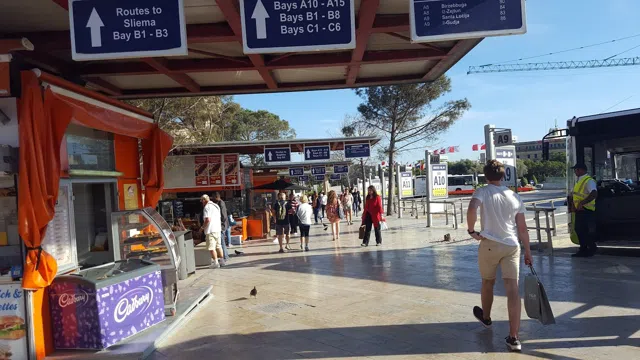
Garden tickets are sold at the entrance, at Potok 20 in Trsteno. That is 18 to 25 km northwest of the city on the D8 coastal road. Westbound Libertas suburban buses take 25 to 40 minutes and stop on the main road, a short walk above the gate. The arboretum's own Lacroma boat trip from Dubrovnik finished for the season on 13 October, so in November it is the bus, a taxi or a car. Plan the day around that 16:00 close, and leave the boat to Lokrum and the cable car for the afternoon, once you can see what the sea and the wind are doing. More in the Dubrovnik guide, and rooms in the Dubrovnik hotel search.
Before you go
Is Trsteno Arboretum worth visiting in November?
Yes, if you like gardens and quiet. Winter hours are 08:00 to 16:00 daily, and entry is €10 for adults and €7 for children and students. The fountain terrace that fills up in summer is usually clear, and the highlights take an hour to an hour and a half.
How do you get to Trsteno from Dubrovnik without a car?
Take a westbound Libertas suburban bus along the D8 coastal road. The fare is €2.70 one way and the ride is 25 to 40 minutes. The stop is on the main road, a short walk above the gate. The arboretum's own Lacroma boat from Dubrovnik stopped for the season on 13 October.
What is the best time of day to go?
Be there for the 08:00 opening and walk down to Neptune's fountain first, as that is the one corner where people gather for photographs. November days are short, so do not start the route after about 14:30.
Is the garden accessible with a pushchair or limited mobility?
Not easily. The paths are shaded and the slopes are gentle, but the surface is gravel and there are stairs between the terraces. If you need a step-free route the whole way round, Trsteno will not work.
Is this the Game of Thrones garden, and what else is there to see?
The terrace around the Neptune nymphaeum stood in for the Red Keep gardens of King's Landing. The rest of the site is a real Renaissance country estate: the Gučetić-Gozze villa, rebuilt after the 1667 earthquake, a 16th-century chapel, an aqueduct, an olive grove and an old olive mill.