
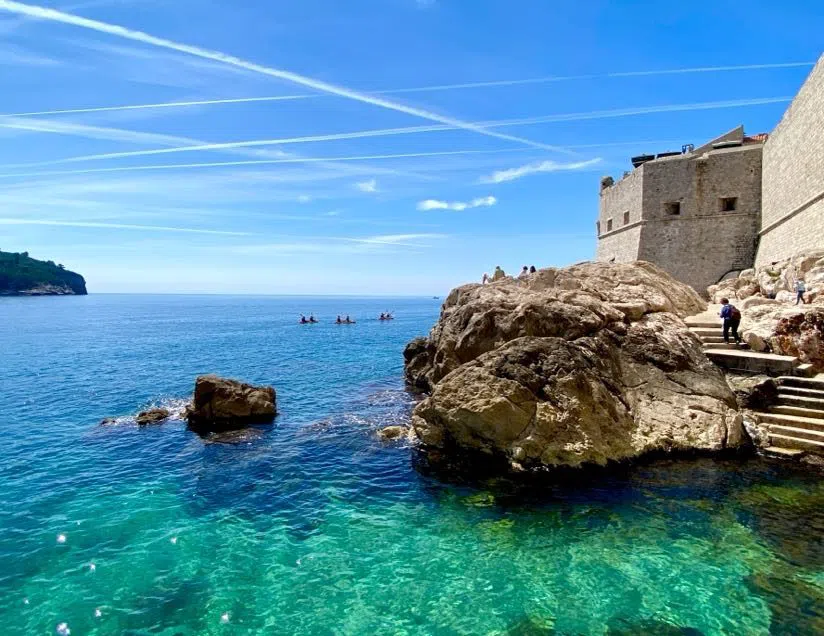
Stand on the ramparts near Ploče gate at 8am, before the tour groups spill off the ships, and the sea below is glass-flat against stone that took a direct hit thirty-four years ago. Dubrovnik's Old Town looks whole again, almost suspiciously whole, because it was rebuilt fast and rebuilt well, and that speed is its own kind of history lesson. This is a walk through where the shells actually landed, who still remembers, and what the city decided to do with the ruins once the rebuilding was done.
Where the shelling landed inside the walls
The siege proper began on 1 October 1991, when the Yugoslav People's Army pushed into the hills above the city and cut the peninsula off; the worst single day came that December, when hundreds of shells fell on the Old Town in a few hours and the fires were visible from boats miles offshore. None of that is abstract once you're standing on the Walls of Dubrovnik (Old Town) themselves: the full loop absorbed 111 direct hits, and if you look for it as you walk, the postwar roof terracotta is a shade lighter and more orange than the handful of surviving grey pre-1991 tiles still scattered across the rooftops below. Enter at Pile or Ploče, both built for heavy foot traffic, and budget €35-40 for the 2026 season ticket. Go at opening rather than midday; the light is better for spotting the tile colour-break, and you'll have the ramparts mostly to yourself for the first hour.
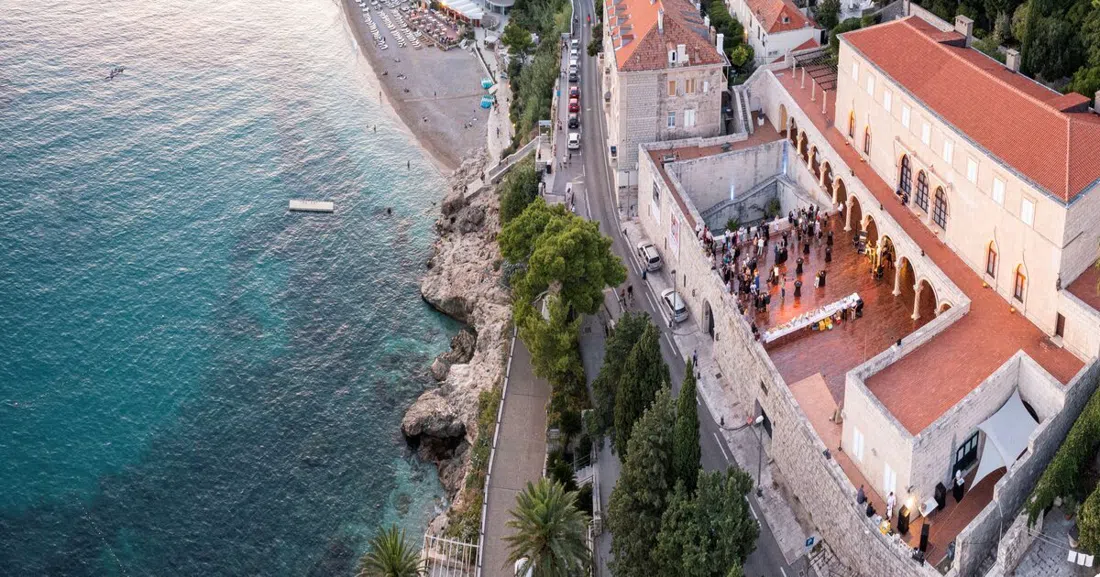
Two stops off the same walk carry the human-scale version of that story. The Memorial Room of Dubrovnik Defenders, inside Sponza Palace on Stradun, reopened in April 2024 and has already pulled in more than 50,000 visitors: a small room, free to enter, with guides working larger groups through in shifts rather than one crowd at once. It's names and photographs of the dead rather than artefacts, which makes it the sharpest single stop on this list, and it sits a few minutes from St. Blaise's Church, also on Stradun, the city's patron-saint church and the site of the most repeated local story of the siege: that the saint's-day procession went ahead in 1991 mid-bombardment, faith refusing to keep to a shelter schedule. It's free, always open, and already on every visitor's route down the main street, so there's no real reason to skip it.
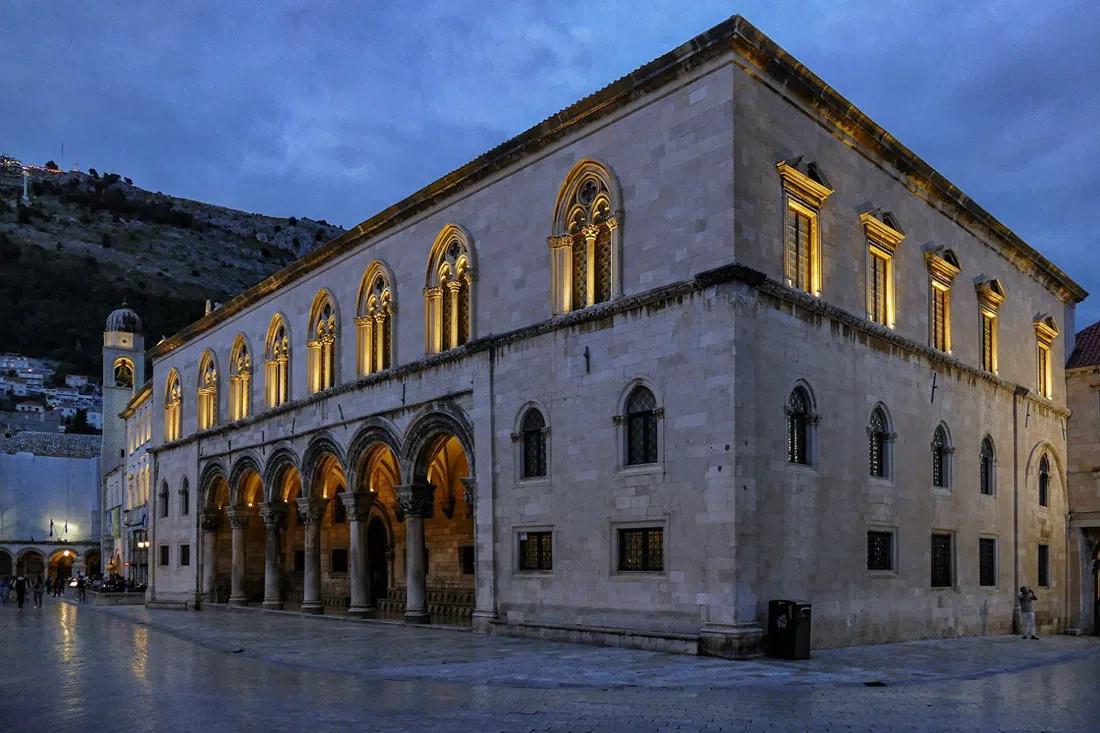
For the institutional angle (not just buildings and bodies but a government under fire), the Rector's Palace Cultural Historical Museum, seat of the old Republic of Ragusa's self-rule, keeps its own photo gallery of bombardment damage among the historic furniture and courtrooms. It's covered by the Dubrovnik Museums combined ticket (around €15) or roughly €10 standalone, and pairs naturally with a walls walk since it sits directly on the route.
Two monasteries that took the heaviest hits
The Franciscan Monastery & Old Pharmacy, on Stradun, and the Dominican Monastery & Museum, near the Ploče gate, were among the most heavily damaged religious complexes of the whole siege. Both remain active monasteries today rather than museums-only. The Franciscan cloister houses one of Europe's oldest continuously operating pharmacies, and the detail worth knowing before you go: it kept dispensing medicine through the siege months and still sells its own herbal remedies at the counter today, so the resilience story here isn't a plaque, it's a functioning shop you can buy something from. Entry is €10, and the cloister handles tour-bus groups without issue.
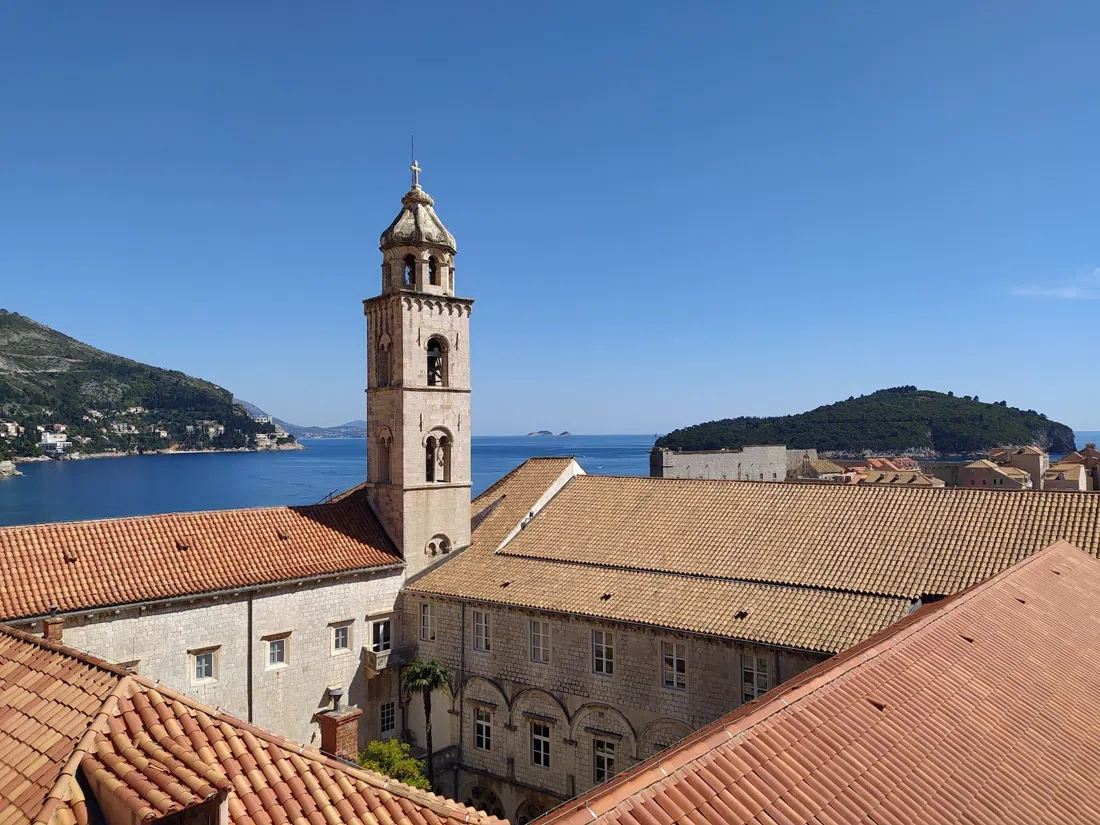
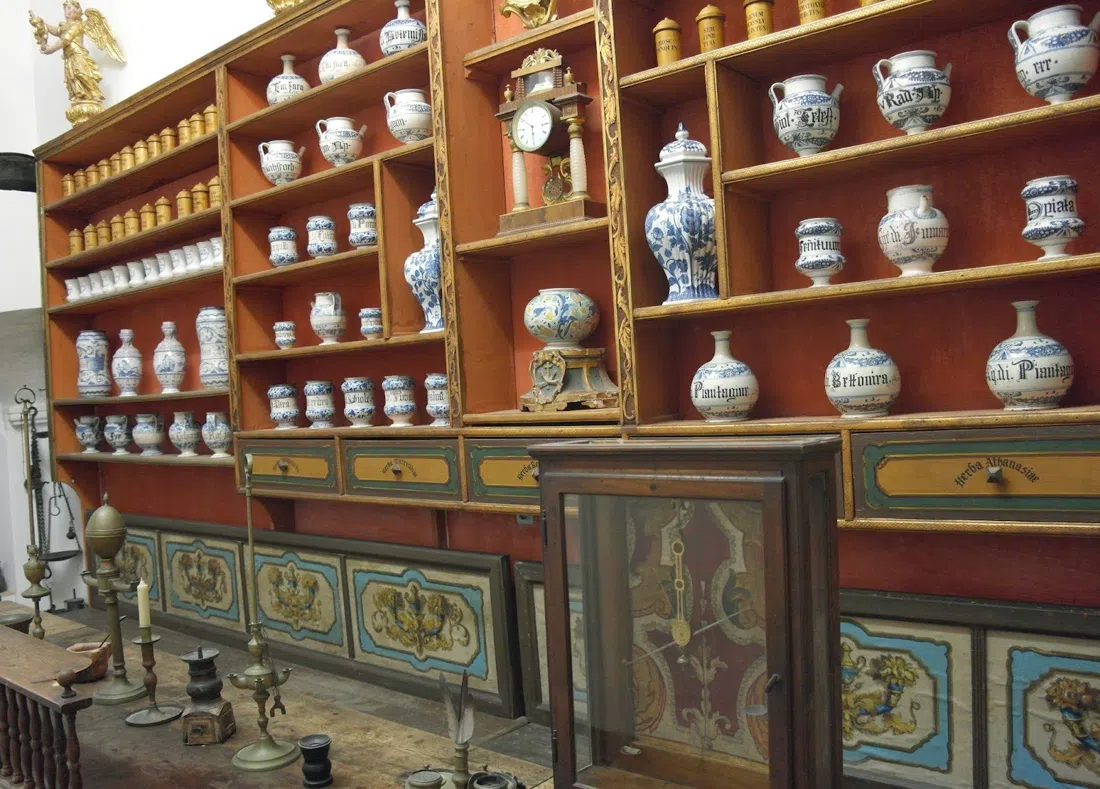
The Dominican complex a short walk away is the heavier of the two visually (battle damage is more visible in the stonework itself), and its cloister-museum ticket runs €5-10. Visiting both back to back gives a clean before-and-after sense of the Old Town's monastic core: two buildings hit hard, both still doing exactly what they did before 1991, which is arguably a better answer to what resilience looks like than anything written on a wall panel.
The hill that decided the siege
Mount Srđ isn't a footnote to the Old Town story, it's the reason the siege went the way it did: Croatian forces held the summit through the worst of the bombardment, and losing it would very likely have meant losing the city below. The Dubrovnik Cable Car is the easiest way up, a round trip running €27-30 standard and noticeably cheaper booked online in advance; it closes only in February or in high wind. Plenty of visitors ride it purely for the panoramic view without ever connecting it to what happened up there. Worth knowing before you go, and worth the extra twenty minutes once you arrive.
At the top, the Homeland War Museum inside Fort Imperial lays out roughly 500 artefacts across four rooms tracing the 1991-92 defence, and museum entry alone is €5, priced separately from the cable car. The terrace does half the explaining on its own: from up there the tactical logic of the whole siege is obvious in a way no display case manages. Go for late afternoon if you can manage it; the light on the walls below is better than at midday, and the museum crowd thins before the sunset photographers arrive. It bundles easily with a buggy or ATV tour if you'd rather not walk the fort grounds on foot, and standard ticketing means groups move through without any special booking.
Hearing it from someone who lived it
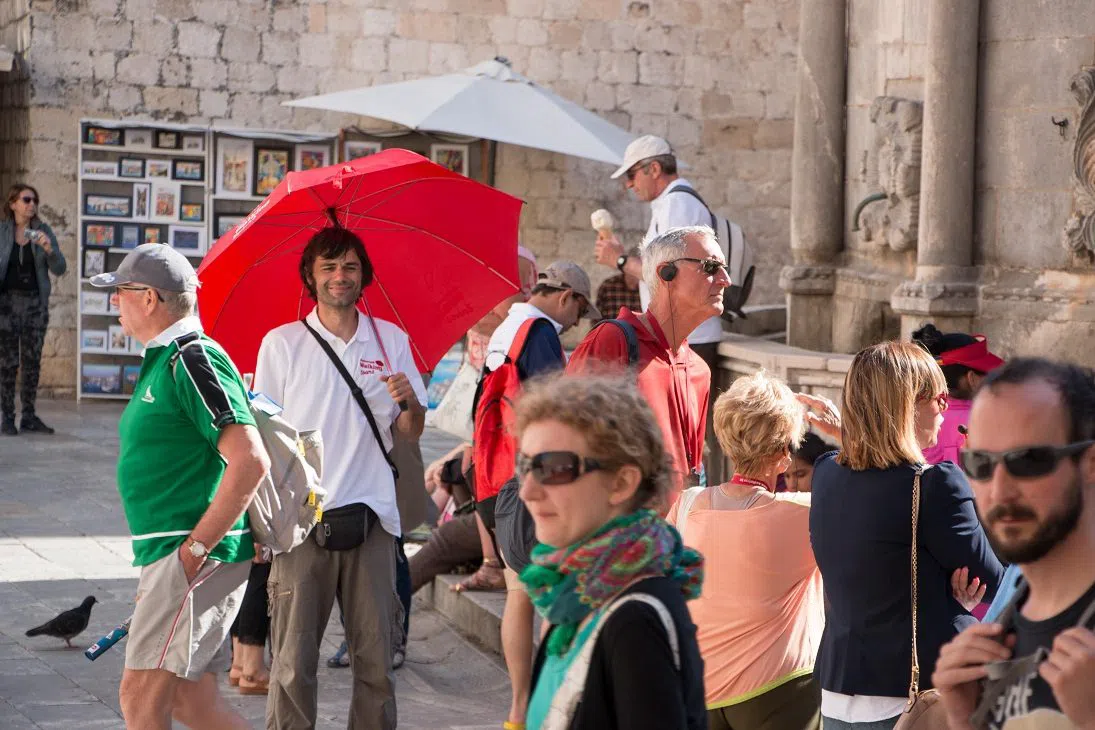
Museums and memorials get you the facts; the Dubrovnik at War 1991-1992 Walking Tour, run by a guide known locally as Walk with Vesna, gets you first-hand testimony, which no panel or artefact case replicates. It's built for small private groups rather than a fixed daily departure, priced roughly €40-70 per person depending on party size and whether the Mount Srđ leg is included, and 2026 reviews still rate it among the most affecting things to do in the city. Book ahead directly rather than turning up hoping for a slot: group size and route are usually agreed in advance, and it's the one item on this list where a couple travelling alone and a group of eight will have genuinely different experiences of pacing and detail.
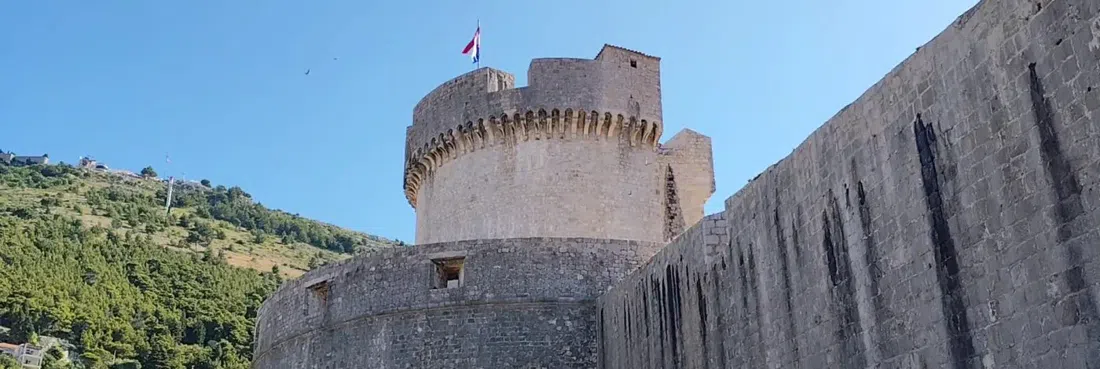
For something more physical than a walking narration, the Minčeta Tower Secret Tunnels Tour puts you inside the actual shelter network built into the walls, not a museum recreation of one. It's capped at eight people per group by the guide's license, so couples and small groups fit easily, but anyone travelling with a larger party should ask about a private buyout in advance rather than assume they'll slot into a public departure. Pricing is the guide's fee on top of the standard €40 walls and tunnel entrance, and it's best treated as an intimate add-on to a walls day rather than the main event.
The photographs that don't flinch
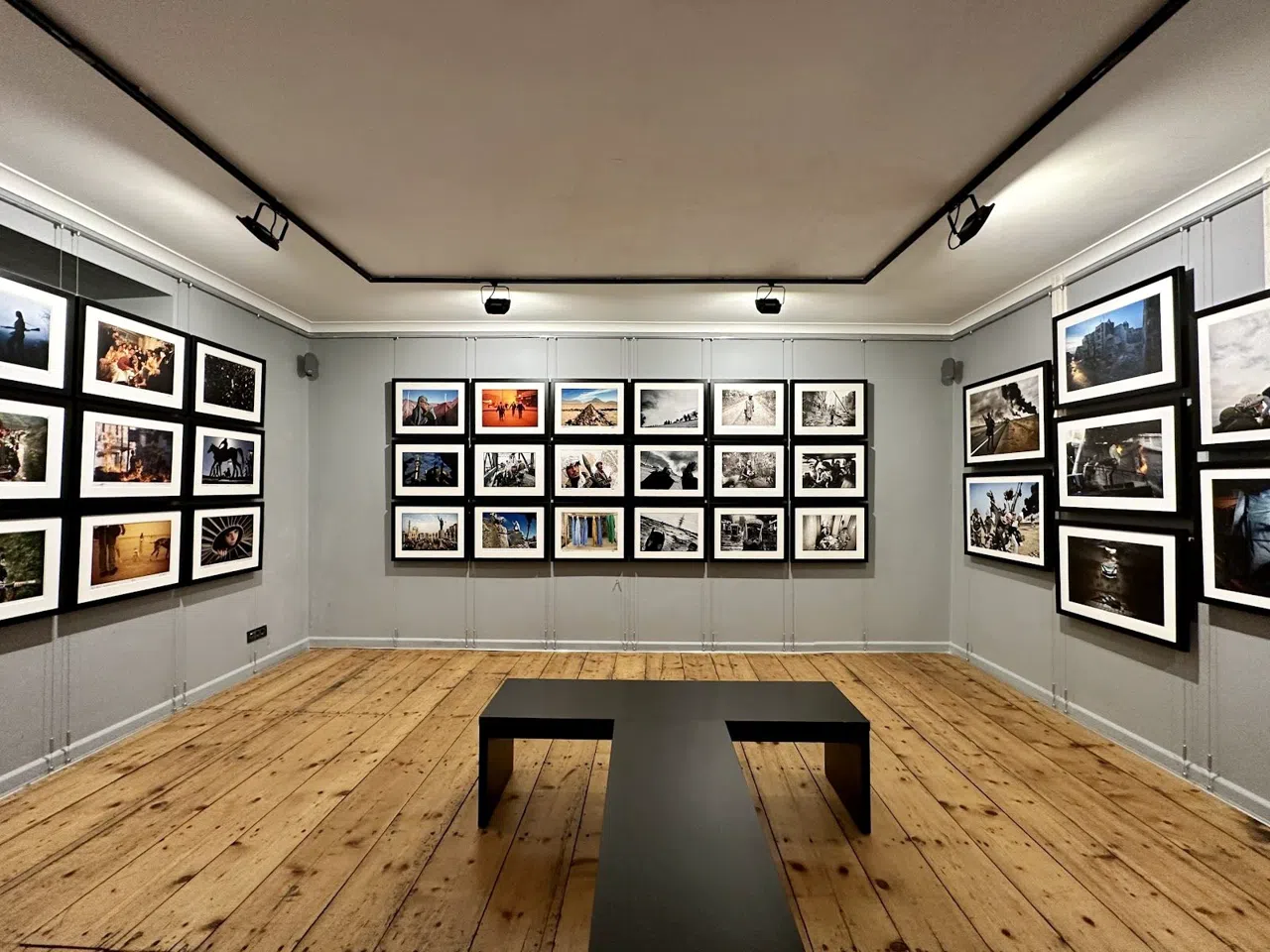
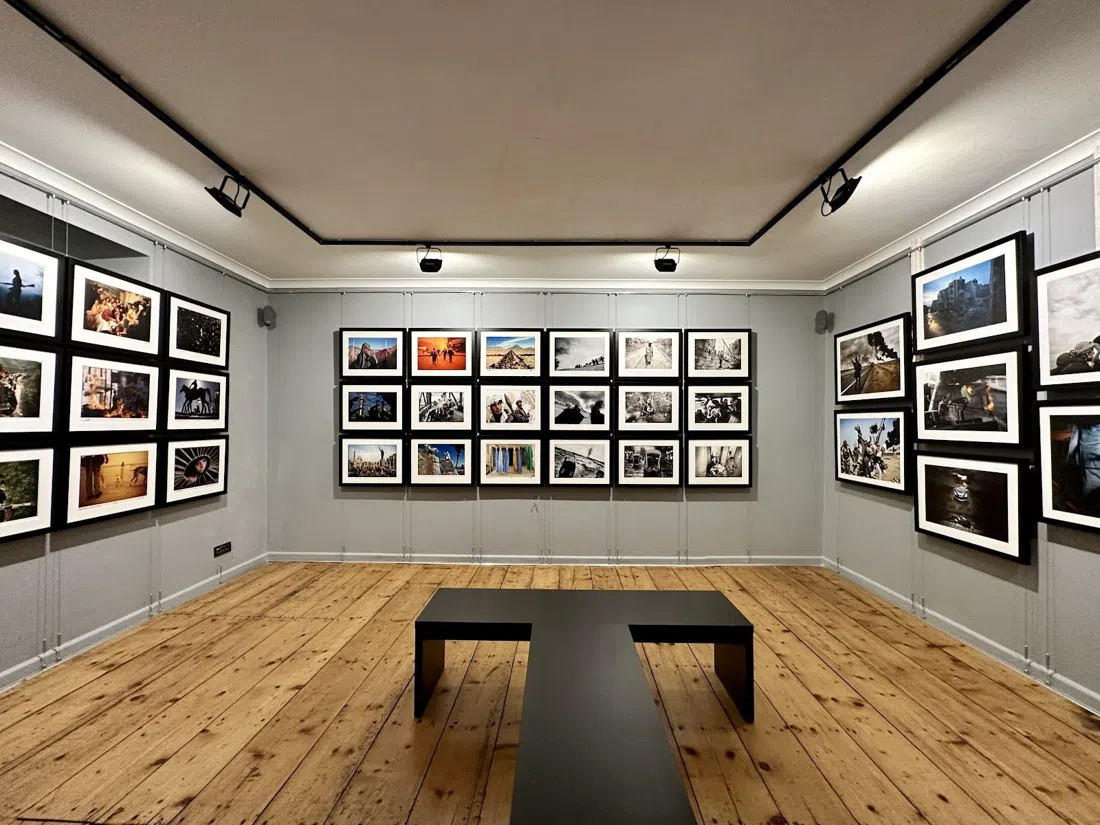
War Photo Limited, in the Old Town, was founded by a war photographer, and its permanent 1991-92 Dubrovnik holdings are the most direct, unsanitised way to see what the siege actually looked like: no curatorial softening, just the images as they were taken. It rotates in global conflict photography alongside the Dubrovnik-specific material, so what's on the walls shifts through the year; it's worth checking the current show before you go if you want a specific angle on the collection. The standard museum layout handles tour groups easily, at €7 a head for parties of 10 or more against €10 standard adult and €6 student. This isn't a stop for young children, and it's worth saying so plainly: it's the most confronting venue on this list by design, and the one most worth building real time into your day for rather than rushing.
Where the city chose to heal
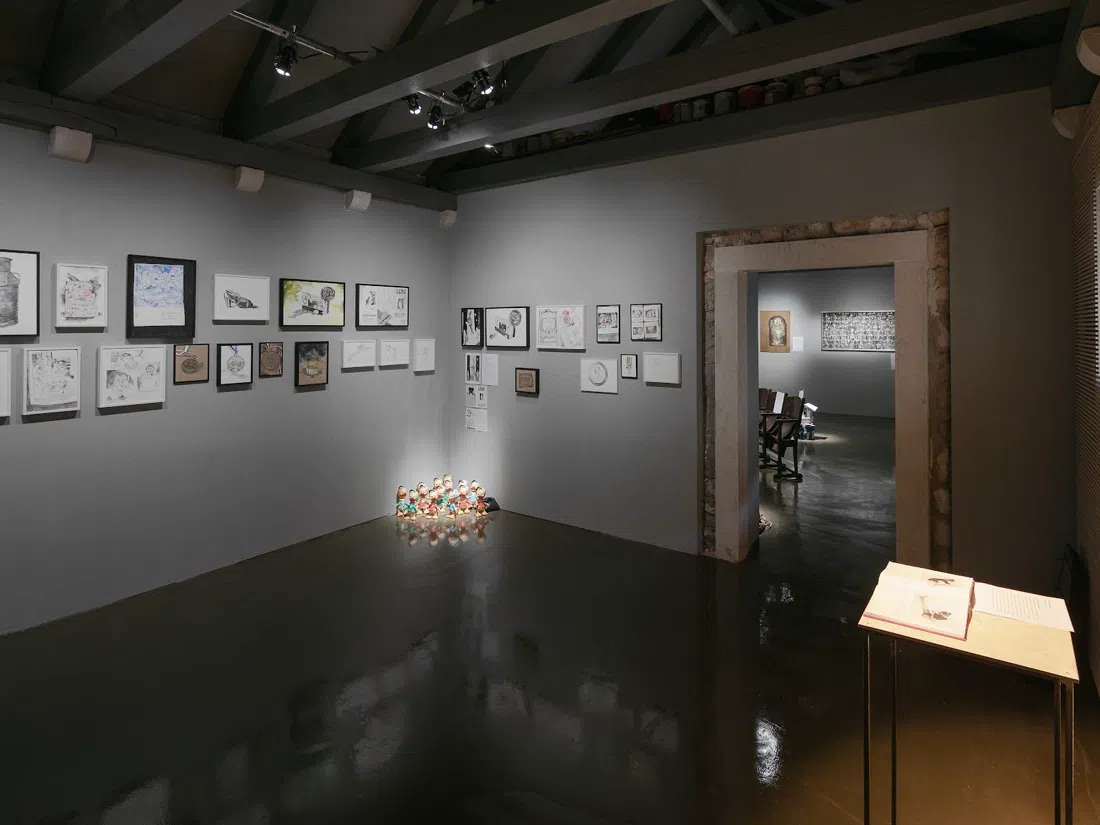
Not every site on this trail is about the siege directly. The Lazareti Creative Hub, just outside the walls at Ploče, was a quarantine complex for centuries before it sat derelict through the war years, and its second life, as the city's working creative and nightlife venue with regular exhibitions and events, is the clearest answer to the healing half of this story. The grounds are free to walk through; individual exhibitions and events are ticketed separately as they come up through the calendar. It's less a monument than a demonstration: proof the city put a ruined building back to work rather than behind glass, and a genuinely good place to end a day that's otherwise been heavy.
Planning the visit
Dubrovnik's Old Town is pedestrian-only, so once you're inside the walls, everything on this list except Mount Srđ is a ten-minute walk from Stradun at most; the cable car base station is a short walk from the Ploče gate, and local buses run from outside the walls if you'd rather skip the climb on foot. Croatia's currency is the euro, so contactless cards are accepted almost everywhere on this list bar the smallest ticket booths, where it's worth carrying a little cash. Cruise-ship crowds peak from mid-morning through mid-afternoon in high season, June through September; starting at the walls or the Memorial Room at opening, and saving War Photo Limited or the museums for early evening, keeps you ahead of the worst of it. A full day covering the Old Town sites plus Mount Srđ runs somewhere around €80-110 per person once you add the cable car, walls ticket, and a museum or two: less if you skip the cable car and hike up instead, more if you add the private Vesna tour. If you're building this into a longer stay, start with the Dubrovnik guide for the wider city, and the Dubrovnik hotel search if you haven't picked a base yet. Old Town proper puts you within walking distance of everything on this list except the hill itself.